Key takeaways
- Profile and support core: Look for 12 to 14 inches total, with the majority of that height dedicated to coils or high-density base foam. Thin comfort layers over a deep support core outlast plush pillow-tops at higher weights.
- Coil gauge and zoning: Heavier-gauge pocketed springs resist compression fatigue, and zoned lumbar sections keep the pelvis from sinking out of alignment. Zoning matters more as body weight increases, not less.
- Edge reinforcement: A firmer perimeter rail or foam encasement preserves usable sleeping surface and makes sitting on the edge to dress or put on shoes feel stable rather than precarious.
- Firmness calibration: Firm and extra-firm ratings compress under greater load, so a bed that reads “extra firm” in a showroom often lands closer to medium-firm in practice for larger sleepers.
- Heat management: More body mass means more heat and deeper foam contact. Gel infusions, ventilated foam, and cool-touch covers offset the trapped warmth that comes with a contouring build.
What's inside
Weight is the variable most mattress marketing quietly ignores. A bed rated “medium-firm” behaves nothing alike under 140 pounds versus 300, and the difference shows up in the places you notice at 3 a.m.: a hip that drops below spine level, a perimeter that rolls you toward the floor, a hollow in the middle of the bed that no amount of rotating will fix. Sagging is rarely a defect. It is usually a coil gauge, foam density, or edge design that was never specified for the load it is carrying.
This guide looks at 14-inch hybrids and high-density foam builds engineered for higher body weights, judged on the specs that actually predict durability: spring gauge and zoning, foam density and support-core thickness, reinforced perimeters, and cooling strategy. Below you will find a short buying framework, honest notes on six current standouts, and answers to the questions we get most often from readers shopping for a bed that will still feel like itself in year five.
As an Amazon Associate we earn from qualifying purchases.



How to Choose a Mattress for Heavy People (2026)
- Profile and support core: Look for 12 to 14 inches total, with the majority of that height dedicated to coils or high-density base foam. Thin comfort layers over a deep support core outlast plush pillow-tops at higher weights.
- Coil gauge and zoning: Heavier-gauge pocketed springs resist compression fatigue, and zoned lumbar sections keep the pelvis from sinking out of alignment. Zoning matters more as body weight increases, not less.
- Edge reinforcement: A firmer perimeter rail or foam encasement preserves usable sleeping surface and makes sitting on the edge to dress or put on shoes feel stable rather than precarious.
- Firmness calibration: Firm and extra-firm ratings compress under greater load, so a bed that reads “extra firm” in a showroom often lands closer to medium-firm in practice for larger sleepers.
- Heat management: More body mass means more heat and deeper foam contact. Gel infusions, ventilated foam, and cool-touch covers offset the trapped warmth that comes with a contouring build.
The Best Mattresses for Heavy People (2026), Reviewed
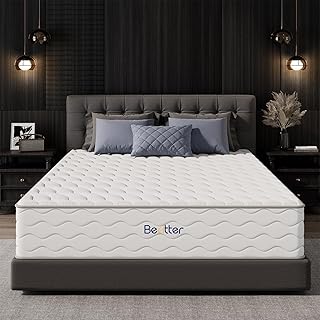
BedStory 14 Inch Hybrid
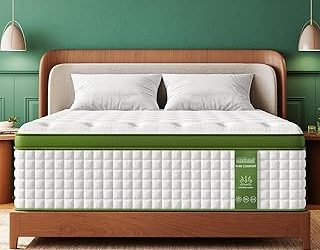
A well-balanced pocket-spring hybrid with zoned lumbar reinforcement, which is exactly where higher-weight sleepers tend to lose alignment first. The 10-year warranty and no-sag construction make this our default recommendation for couples who want one bed to work across two very different body types.
14 Inch Cooling Hybrid with Ice Silk Cover
The 7-zone spring layout does the structural work while the ice-silk cover and gel memory foam handle the heat load that thicker comfort layers usually create. A strong pick for hot sleepers in warm climates who still want extra-firm support and dependable edge stability.
Extra Firm 14 Inch Hybrid
Thick foam edge encasement and layered luxury foam give this one an unusually flat, predictable surface, which is what back-pain sufferers generally want. Fiberglass-free construction and genuine motion isolation make it a sensible choice for couples and seniors sharing a bed.
Coolvie Hybrid Latex King
Heavy-duty 5-zone springs paired with latex and gel foam produce a responsive, buoyant feel rather than the sunken sensation of all-foam beds. The Euro top adds cushioning without the loft collapse that traditional pillow-tops suffer under sustained weight.
Sweetnight CoolNest 14 Inch
An all-foam option for sleepers who prefer contouring over spring bounce, with 5-zone ergonomic support and breathability engineering that keeps the medium feel from sleeping warm. CertiPUR-US certification is a useful reassurance if off-gassing is a concern in your bedroom.
Frequently Asked Questions
How firm should a mattress be for a heavier sleeper?
Firm to extra-firm is the safe range, because compression under greater load softens the effective feel by roughly one step. Side sleepers should still prioritize a contouring top layer so shoulders and hips are not forced out of line.
Are hybrid or memory foam mattresses better for higher body weights?
Hybrids generally hold up longer, since steel coils recover from compression more reliably than foam over years of use. High-density foam builds like the SLEEP100 14″ King remain a good option if you dislike spring feel and want maximum motion isolation.
Will a 14-inch mattress fit standard sheets?
Deep-pocket fitted sheets rated for 15 to 18 inches are the safer buy. Standard sheets often technically fit but pop off the corners once the mattress compresses under weight.
Do these mattresses need a special foundation?
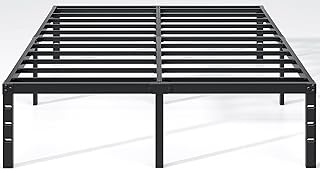
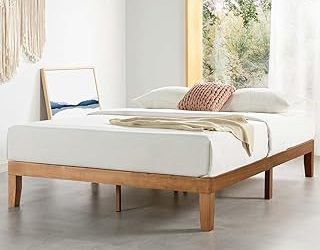
Yes, in most cases. Slats spaced more than three inches apart or a weak center support will void warranties and create sagging that looks like a mattress failure but is not.
Final Thoughts
For most buyers, the BedStory 14 Inch Hybrid offers the best combination of zoned support, warranty coverage, and long-term value. Hot sleepers should lean toward the Ice Silk cooling hybrid, while anyone who wants a livelier, more responsive surface will get the most from the Coolvie Hybrid Latex King.