Key takeaways
- Support core first: The top two inches determine how a bed feels; the bottom eight determine how long it lasts. Prioritize pocket springs or a high-density polyfoam base rated for higher loads, and treat plush pillow tops as a finish, not a feature.
- Coil architecture and zoning: Individually wrapped coils in the 700 to 1,000 range for a king, with thicker-gauge springs reinforced under the lumbar and hip zones, resist the localized sag that creates hammocking. Zoned layouts do more for spinal alignment than raw coil count alone.
- Profile height: Aim for 12 inches minimum and 14 to 18 inches if you want longer service life. Taller builds also sit better visually with modern low-profile platform frames and upholstered headboards.
- Firmness calibration: A medium-firm mattress reads noticeably softer to a heavier sleeper than to a lighter one. If you’re between options, size up in firmness rather than down.
- Edge support and the sag clause: Check for a reinforced perimeter, then read the warranty’s impression depth threshold. A 10-year term that only covers sagging beyond 1.5 inches is weaker than a shorter term with a 0.75-inch limit.
What's inside
Most mattresses on the market are quietly engineered around a hypothetical sleeper who weighs somewhere between 150 and 200 pounds. Cross that threshold and the math changes: comfort foams compress past their intended range, coils flex deeper than they were tuned to, and the middle third of the bed starts to dish within a year or two. The perimeter usually gives out first, so sitting on the edge to put on shoes feels like sliding off a cushion. Heat becomes a secondary problem, because a sleeper who sinks into foam rather than resting on top of it loses most of the airflow the mattress was designed to have.
This guide looks at mattresses built with the opposite assumption. Every pick below uses either a reinforced pocket-coil core or a high-density foam base, and most run taller than the standard 10 to 12 inches to give heavier bodies more material to work with. Below the product cards you’ll find a short framework for evaluating support cores, coil architecture, and warranty fine print, followed by hands-on notes on each mattress and answers to the questions that come up most often.
As an Amazon Associate we earn from qualifying purchases.


How to Choose a Mattress for Heavier People (2026)
- Support core first: The top two inches determine how a bed feels; the bottom eight determine how long it lasts. Prioritize pocket springs or a high-density polyfoam base rated for higher loads, and treat plush pillow tops as a finish, not a feature.
- Coil architecture and zoning: Individually wrapped coils in the 700 to 1,000 range for a king, with thicker-gauge springs reinforced under the lumbar and hip zones, resist the localized sag that creates hammocking. Zoned layouts do more for spinal alignment than raw coil count alone.
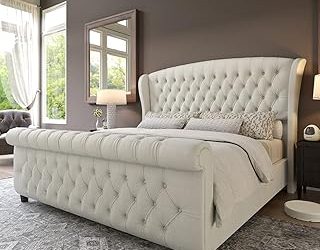
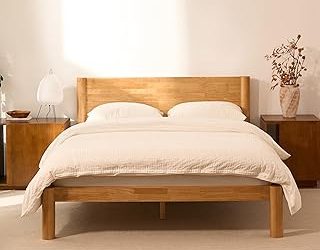
- Profile height: Aim for 12 inches minimum and 14 to 18 inches if you want longer service life. Taller builds also sit better visually with modern low-profile platform frames and upholstered headboards.
- Firmness calibration: A medium-firm mattress reads noticeably softer to a heavier sleeper than to a lighter one. If you’re between options, size up in firmness rather than down.
- Edge support and the sag clause: Check for a reinforced perimeter, then read the warranty’s impression depth threshold. A 10-year term that only covers sagging beyond 1.5 inches is weaker than a shorter term with a 0.75-inch limit.
The Best Mattresses for Heavier People (2026), Reviewed
Sweetnight CoolNest 14 Inch Cooling Memory Foam
The most interesting all-foam option here, with five-zone ergonomic shaping and a breathable cover that genuinely mitigates the heat trap most memory foam creates. Best suited to side and combination sleepers who want contouring pressure relief rather than lift, and who fall on the lighter end of this category.
inight 12 Inch Firm Hybrid
A no-frills queen that spends its budget where it counts: sag-resistant pocket coils topped with a thin cooling foam layer, tuned genuinely firm rather than firm-adjacent. This is the pick for back sleepers who want to feel supported on top of the mattress, and for guest rooms that need to accommodate anyone.
BedStory 14 Inch Hybrid
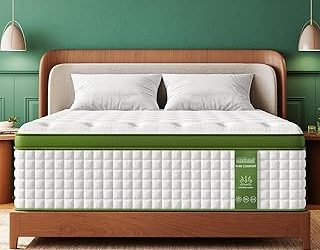
Zoned lumbar reinforcement makes this the strongest choice for anyone whose lower back protests in the morning, and the deeper coil unit keeps the hips from dropping out of alignment. The 10-year warranty signals reasonable confidence in the build.
14 Inch Extra Firm Hybrid
Extra reinforcement through the lumbar and hip zones, fiberglass-free construction, and a 365-night trial that actually covers a full seasonal cycle. Genuinely extra firm, which makes it excellent for stomach and back sleepers and probably too rigid for dedicated side sleepers.
16 Inch Luxury Hybrid, 7-Zone Support
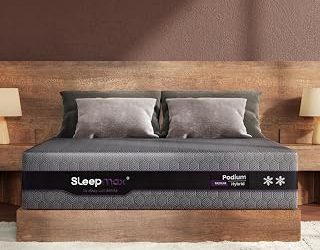
Seven-zone coil mapping under a medium-firm surface delivers cushioning without the sinking, and the motion isolation is strong enough for couples with mismatched schedules. At 16 inches it needs deep-pocket sheets, but the presence it brings to a low platform frame is worth the extra linens.
Frequently Asked Questions
What weight actually counts as “heavier” for mattress shopping?
Roughly 230 pounds and up per person, or a combined couple weight above about 400 pounds. Below that, standard-spec mattresses generally perform as advertised.
Hybrid or memory foam?
Hybrid, in most cases. Steel coils push back against sustained load in a way foam cannot, and they recover more completely over years of use. Choose all-foam only if you strongly prefer the contouring feel.
How thick should the mattress be?
Twelve inches is a working minimum, 14 inches is the sweet spot for durability and cost, and 16 to 18 inches gives you the deepest comfort layer without compromising the support core beneath it.
Does my bed frame matter?
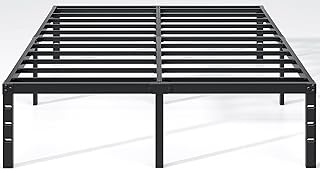
Considerably. Slats should sit no more than 3 inches apart with a reinforced center rail and legs. An underbuilt frame will make even a well-engineered mattress sag, and most warranties exclude damage caused by inadequate support.
Final Thoughts
For most shoppers, the BedStory 14 Inch Hybrid strikes the best balance of zoned lumbar support, height, and price. Firm sleepers and anyone who wants the longest runway before body impressions appear should look at the 14 Inch Extra Firm Hybrid, while the 18 Inch Luxury Hotel Hybrid is the one to choose if you want reinforced edge support and hotel-scale presence in the room.