Key takeaways
- Support core over comfort layer: A pocketed coil unit or high-density base foam does the structural work. Look for individually wrapped springs in the 13–15 gauge range and a base layer that makes up at least half the total height, since a plush top over a weak core is what produces sagging.
- Profile of 12 inches or more: Thicker builds give designers room for a genuine transition layer between your body and the coils. Fourteen inches has become the practical sweet spot for sleepers above 230 pounds, offering contouring without bottoming out.
- Reinforced perimeter: Firmer edge coils or a dense foam rail keep the mattress usable all the way to the border. This matters for sitting, for getting in and out of bed, and for couples who want the full width of a king or queen.
- Cooling that isn’t just a cover claim: Higher body mass generates and traps more heat, so prioritize gel infusions, ventilated foam, and breathable knit covers over marketing language. Hybrids naturally move more air than all-foam builds.
- Trial period and warranty depth: Bodies need three to four weeks to adapt to a new support surface. A 100-night trial is the baseline, and a warranty that specifies its allowable impression depth (usually around one inch) tells you more than the year count alone.
What's inside
Most mattresses are engineered around an average sleeper who weighs somewhere in the 150-pound range, which means the coil gauge, foam density, and edge reinforcement are all calibrated for a load that many adults simply exceed. The result is familiar: a body impression that deepens after eight months, an edge that collapses when you sit to tie your shoes, and a hip that sinks below spine level until your lower back files a complaint every morning. Weight capacity is rarely printed on the label, so buyers end up learning the hard way that “medium-firm” means very different things at 140 pounds and 300 pounds.
This guide approaches the problem the way a specifier would: looking at coil count and gauge, foam density in pounds per cubic foot, perimeter reinforcement, and total profile, because those four variables determine whether a bed holds its shape under real load. Below you’ll find six hybrid and high-density foam mattresses that are built for heavier sleepers and couples, along with a short buying framework and answers to the questions that come up most often before checkout.
As an Amazon Associate we earn from qualifying purchases.


How to Choose a Mattress For Heavy Weight People (2026)
- Support core over comfort layer: A pocketed coil unit or high-density base foam does the structural work. Look for individually wrapped springs in the 13–15 gauge range and a base layer that makes up at least half the total height, since a plush top over a weak core is what produces sagging.
- Profile of 12 inches or more: Thicker builds give designers room for a genuine transition layer between your body and the coils. Fourteen inches has become the practical sweet spot for sleepers above 230 pounds, offering contouring without bottoming out.
- Reinforced perimeter: Firmer edge coils or a dense foam rail keep the mattress usable all the way to the border. This matters for sitting, for getting in and out of bed, and for couples who want the full width of a king or queen.
- Cooling that isn’t just a cover claim: Higher body mass generates and traps more heat, so prioritize gel infusions, ventilated foam, and breathable knit covers over marketing language. Hybrids naturally move more air than all-foam builds.
- Trial period and warranty depth: Bodies need three to four weeks to adapt to a new support surface. A 100-night trial is the baseline, and a warranty that specifies its allowable impression depth (usually around one inch) tells you more than the year count alone.
The Best Mattress For Heavy Weight People (2026)s Reviewed
BedStory 14 Inch Hybrid
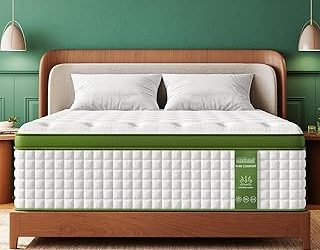
The zoned lumbar section is the standout here, using firmer coils through the midsection to keep hips and shoulders on the same plane rather than letting the heaviest part of the body settle first. Backed by a 10-year warranty and a no-sag pocket spring core, it’s a sensible default for back sleepers who want structure before softness.
Sweetnight CoolNest 14 Inch
A five-zone ergonomic layout paired with genuinely breathable memory foam makes this the pick for hot sleepers who still want the cradling feel of foam. The medium profile reads slightly firmer under heavier load, which works in its favor, and the CertiPUR-US certification covers the emissions and content questions.
Coolvie Hybrid Latex 14 Inch
Latex adds a responsive, buoyant quality that memory foam can’t replicate, so you move across the surface instead of climbing out of it. Combined with five-zone heavy duty springs and a Euro top, it handles couples well and isolates motion better than most latex hybrids at this height.
Extra Firm 14 Inch Hybrid
Built around a thick foam edge and a multi-layer core, this one is aimed squarely at buyers who have been disappointed by beds that softened within a year. It’s the firmest feel on this list, which makes it a strong fit for stomach sleepers, seniors needing easier transfers, and couples sharing a queen.
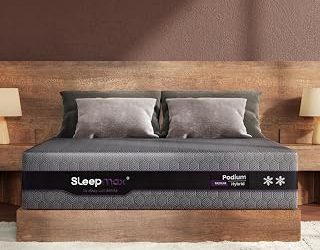
Sleepmax Queen 14 Inch
The balance of pressure relief and coil support suits combination sleepers who alternate between back and side positions through the night. A 365-night trial is unusually generous and removes most of the risk from buying a support-critical mattress online.
Frequently Asked Questions
What firmness works best for heavier sleepers?
Medium-firm to firm, roughly a 6.5 to 8 on the standard ten-point scale. Higher body weight compresses a mattress further than the manufacturer’s rating assumes, so a bed labeled firm often feels closer to medium-firm in use.
Do hybrids outlast all-foam mattresses under heavier weight?
Generally yes. A steel coil unit resists compression fatigue better than polyurethane foam over years of loading, which is why nearly every mattress marketed for heavier sleepers uses a spring core.
Will a 14-inch mattress fit my existing sheets and bed frame?
Check both. You’ll want deep-pocket sheets rated to 15 inches, and a frame with center support and slats no more than three inches apart, since inadequate slat spacing voids most warranties and causes premature sagging.
How long is the break-in period?
Expect two to four weeks. New support layers feel stiffer than they will at day thirty, and your body needs time to adjust to correct alignment, so resist judging a mattress in the first week.
Final Thoughts
For most buyers, the BedStory 14 Inch Hybrid offers the best combination of zoned lumbar support and warranty confidence, while the Coolvie Hybrid Latex is the more comfortable choice for couples who want responsiveness and strong motion isolation. If durability is your single priority and you want a bed that stays flat for the long haul, the Extra Firm 14 Inch Hybrid is the one to shortlist.