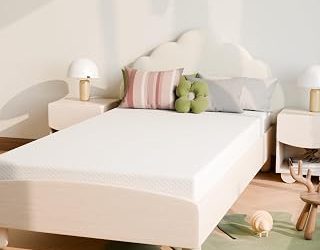
Key takeaways
- Support core over comfort feel: Pocketed coils in the 13–15 gauge range, or high-density foam at 1.8 lb/ft³ and above, do the structural work. A soft top layer is fine; a soft core is what creates sagging.
- Height as a proxy for material: Aim for 12 inches minimum and 14 to 16 inches ideally. Extra loft means a genuine transition layer between you and the support base, which is what prevents that hammock sensation.
- Firmness calibrated to weight: A medium-firm rating compresses noticeably softer under a heavier frame. If you sleep on your side and want cushioning at the shoulder and hip, medium-firm reads closer to medium for you.
- Cooling built into the structure: Copper or graphene infusions and knit covers help at the surface, but coil units move air through the mattress. Hybrids consistently sleep cooler than all-foam builds for larger sleepers.
- Read the sag clause, not the warranty length: A 10-year warranty means little if it only covers indentations deeper than 1.5 inches. Check the threshold, and pair the mattress with a slatted or platform base with center support.
What's inside
Most mattresses are engineered around a statistical fiction: a 160-pound back sleeper who never moves. Step outside that range and the flaws surface fast. Comfort layers compress into a permanent trench within a year, the perimeter folds when you sit to tie your shoes, and foam that felt plush in the showroom bottoms out to the point where you may as well be sleeping on the foundation. Add the heat that dense foam traps against a larger body surface, and a bed that looked like a bargain becomes a nightly negotiation.
This guide approaches the problem the way a specifier would: by looking at what holds the sleeper up rather than what the marketing copy promises. Below are the mattresses that actually earn their place in a bedroom built for bigger bodies, with notes on coil architecture, comfort-layer density, cooling strategy, and the edge support that determines whether the full width of the bed is usable. The picks span foam and hybrid builds across Full XL, Queen, and King, so there’s a match whether you’re outfitting a compact guest room or a primary suite.
As an Amazon Associate we earn from qualifying purchases.


How to Choose a Mattress For Big People (2026)
- Support core over comfort feel: Pocketed coils in the 13–15 gauge range, or high-density foam at 1.8 lb/ft³ and above, do the structural work. A soft top layer is fine; a soft core is what creates sagging.
- Height as a proxy for material: Aim for 12 inches minimum and 14 to 16 inches ideally. Extra loft means a genuine transition layer between you and the support base, which is what prevents that hammock sensation.
- Firmness calibrated to weight: A medium-firm rating compresses noticeably softer under a heavier frame. If you sleep on your side and want cushioning at the shoulder and hip, medium-firm reads closer to medium for you.
- Cooling built into the structure: Copper or graphene infusions and knit covers help at the surface, but coil units move air through the mattress. Hybrids consistently sleep cooler than all-foam builds for larger sleepers.
- Read the sag clause, not the warranty length: A 10-year warranty means little if it only covers indentations deeper than 1.5 inches. Check the threshold, and pair the mattress with a slatted or platform base with center support.
The Best Mattresses For Big People (2026) Reviewed
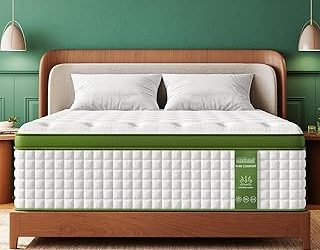
EGOHOME 14 Inch King Memory Foam
A rare all-foam build with enough depth and density to hold a heavier sleeper without collapsing, thanks to a copper-gel infused core under a graphene-cool-tech cover that pulls heat off the surface. It’s the pick for couples who prioritize motion isolation above all, and the fiberglass-free, CertiPUR-US construction with ICA endorsement makes it an easy call for anyone managing back pain.
Sweetnight CoolNest 14 Inch King
The five-zone layout is the story here: firmer foam under the lumbar region, softer response at the shoulders, which keeps the spine from bowing under concentrated weight. Breathability is engineered through the layers rather than bolted onto the cover, so the medium feel stays consistent through the night.
BedStory 14 Inch Hybrid King
This is the most purpose-built option on the list, with a pocketed-spring unit specifically engineered against sagging and zoned lumbar reinforcement where heavier sleepers load the mattress hardest. The coil base also gives you real edge support, meaning the full King footprint is usable rather than decorative.
Full XL 12 Inch Cooling Gel Hybrid
The smart answer for a narrow room or a single sleeper who still wants a hybrid’s structural integrity, with four extra inches of length over a standard Full. A soft knit cooling cover and gel memory foam handle heat retention, and the fiberglass-free build keeps the material story clean.
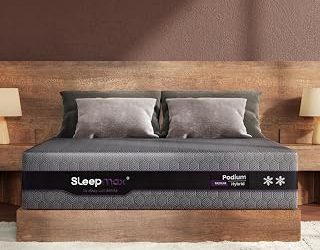
Sleepmax 14 Inch Queen Hybrid
A well-balanced hybrid that suits back and side sleepers equally, with pressure-relieving comfort layers over a coil core that resists the shoulder-and-hip dip side sleepers usually complain about. The 365-night trial removes most of the risk from buying a mattress you can’t test in person.
Frequently Asked Questions
What firmness should heavier sleepers choose?
Medium-firm is the reliable starting point. Because greater body weight compresses foam further, a medium-firm mattress will feel roughly one step softer to you than the rating suggests. Plush and soft models rarely provide enough pushback.
Is a hybrid better than all-foam?
Generally, yes. Coils resist compression more durably than foam and allow airflow, which addresses both sagging and heat. A dense, thick all-foam mattress like the EGOHOME can compete, but the margin for error is narrower.
How thick does the mattress need to be?
Twelve inches is the practical floor, and 14 to 16 inches is better. Thickness matters less as a number than as an indicator that the build includes a proper transition layer between the comfort surface and the support core.
Does the bed frame matter?
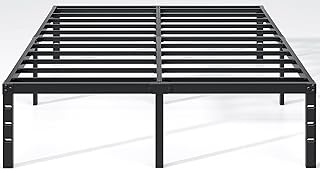
Significantly. Slats should be spaced no more than three inches apart, with a center support leg on Queen and King sizes. Inadequate foundations cause sagging that manufacturers will attribute to improper support rather than a defect.
Final Thoughts
For most buyers, the BedStory 14 Inch Hybrid is the strongest overall choice, with a coil system explicitly built for heavier sleepers and the edge support to match. The Sleepmax 14 Inch Queen is the better-value hybrid for single sleepers or smaller rooms, and the EGOHOME 14 Inch remains the top all-foam option for couples who want motion isolation without giving up structural support.