Key takeaways
- Aim for medium-firm, not medium: Roughly a 6.5 to 7.5 on the ten-point firmness scale is the overlap zone. It gives side sleepers enough give at the shoulder while keeping a stomach sleeper’s hips from settling below their ribcage.
- Watch the comfort layer depth: Two to three inches of foam over a firm base contours where you need it and stops there. Four-plus inches of plush foam feels wonderful for thirty seconds and then swallows a stomach sleeper’s midsection.
- Hybrid coils earn their keep here: Pocketed springs push back locally instead of globally, so one person’s shoulder can sink while the other’s pelvis stays supported. Zoned lumbar reinforcement, like the setup in the BedStory Firm 13″, takes that further.
- Take heat seriously: Side sleepers create more surface contact, which traps warmth. Gel infusions, ventilated foam, and open coil layers all help; the Avenco 12″ leans hardest into cooling with its dual NanoGEL construction.
- Use the trial period as your real test: Bodies adapt over weeks, not nights. Long windows, 365 nights in several cases here, give you a genuine verdict instead of a first-impression guess.
What's inside
Sharing a bed with someone whose sleep position is the opposite of yours is one of the quietest design problems in a home. Side sleepers need the mattress to yield at the shoulder and hip so the spine stays level; stomach sleepers need it to hold the pelvis up so the lower back doesn’t sink into a curve. Buy for one and the other wakes up sore. Most shoppers end up splitting the difference with something vaguely “medium,” then spend a year wondering why the room looks calm and feels anything but.
The fix isn’t compromise, it’s construction. A mattress built with a firmer support core and a thin, responsive comfort layer can cradle a shoulder without letting a torso drop, and that combination is where side-and-stomach households actually land. Below, six queen mattresses that handle both positions, plus a breakdown of the specs that matter, honest notes on where each one fits, and answers to the questions that come up most often once you start comparing.
As an Amazon Associate we earn from qualifying purchases.


How to Choose a Mattress For Side Sleepers And Stomach Sleepers (2026)
- Aim for medium-firm, not medium: Roughly a 6.5 to 7.5 on the ten-point firmness scale is the overlap zone. It gives side sleepers enough give at the shoulder while keeping a stomach sleeper’s hips from settling below their ribcage.
- Watch the comfort layer depth: Two to three inches of foam over a firm base contours where you need it and stops there. Four-plus inches of plush foam feels wonderful for thirty seconds and then swallows a stomach sleeper’s midsection.
- Hybrid coils earn their keep here: Pocketed springs push back locally instead of globally, so one person’s shoulder can sink while the other’s pelvis stays supported. Zoned lumbar reinforcement, like the setup in the BedStory Firm 13″, takes that further.
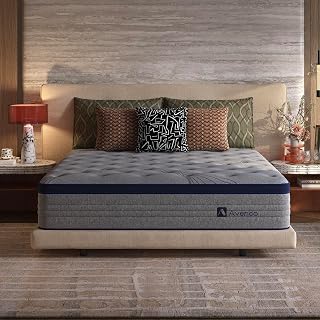
- Take heat seriously: Side sleepers create more surface contact, which traps warmth. Gel infusions, ventilated foam, and open coil layers all help; the Avenco 12″ leans hardest into cooling with its dual NanoGEL construction.
- Use the trial period as your real test: Bodies adapt over weeks, not nights. Long windows, 365 nights in several cases here, give you a genuine verdict instead of a first-impression guess.
The Best Mattress For Side Sleepers And Stomach Sleepers (2026)s Reviewed
Nectar Premier 13″ Memory Foam
Thirteen inches of graduated memory foam in a medium-firm build, which reads as a genuinely quiet, contour-forward bed for couples who share space and wake each other easily. Best suited to primary side sleepers who roll onto their stomach part of the night rather than the reverse.
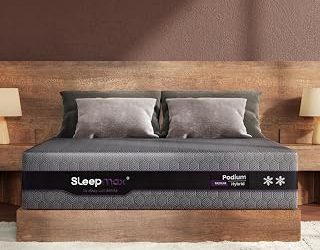
Sleepmax 14″ Hybrid
A deep hybrid with a coil core beneath pressure-relieving foam, tuned specifically toward back and side positions and priced well below its spec sheet. The 14-inch profile pairs neatly with taller platform frames, so check your sheet depth before it arrives.
DreamCloud 12″ Hybrid
The most balanced pick of the group and the one I’d hand to a mixed-position couple without much qualification: firm coil support, a restrained foam layer, and a luxury feel that doesn’t tip into plush. Twelve inches keeps the visual line clean on lower bed frames.
SLEEP100 14″ Firm Support
Gel-infused ventilated memory foam over a firm base, built explicitly for all sleep positions, which makes it the value answer for guest rooms and shared setups. Stomach sleepers who have hated every soft mattress they’ve tried should start here.
BedStory Firm 13″ Hybrid
Zoned lumbar support is the story, and it’s the right one for stomach sleepers whose lower back complains by morning. The hotel-collection surface feel is crisp rather than sinking, backed by a 365-night trial and a 10-year warranty.
Frequently Asked Questions
Can one mattress genuinely serve both positions?
Yes, when it’s medium-firm with a shallow comfort layer over strong support. What doesn’t work is a plush all-foam bed, since it accommodates the side sleeper by failing the stomach sleeper entirely.
Foam or hybrid for mixed sleepers?
Hybrid, in most cases. Pocketed coils respond independently across the surface, which is exactly what two different body positions require. All-foam options like the Nectar Premier still work well when both sleepers lean toward side sleeping.
How much does cooling actually matter?
Enough to affect sleep quality if you run warm. Side sleeping increases contact area and heat retention, so look for gel infusion or ventilated foam. The Avenco 12″ and SLEEP100 14″ both address it directly.
How long until it feels right?
Give it three to four weeks. Compressed mattresses need several days to fully expand, and your body needs longer than that to recalibrate, which is why generous trial periods matter more than first-night impressions.
Final Thoughts
For most mixed-position households, the DreamCloud 12″ Hybrid is the cleanest answer, balanced enough that neither sleeper is compromising. Stomach sleepers with lower-back complaints should look at the BedStory Firm 13″ for its zoned lumbar support, while the Sleepmax 14″ Hybrid delivers the most capability per dollar if the budget is doing real work.