Key takeaways
- Thickness: Side sleepers generally need more give than back or stomach sleepers. Two to three inches of foam is the sweet spot for letting a shoulder settle in; quilted pads under an inch soften the surface but won’t relieve a genuinely sore hip.
- Fill and feel: Memory foam contours to the body and holds the shape, which is ideal for pressure points. Down alternative and fiberfill feel plusher and springier underfoot but compress faster, so they suit sleepers who mostly want cushioning rather than deep contouring.
- Airflow: Foam traps heat, and side sleeping increases the amount of body in contact with the surface. Look for gel infusions, ventilated cores, mesh side panels, or a viscose-from-bamboo cover if you sleep hot.
- Fit and depth: Check the pocket range against your mattress plus any existing topper. A 360-degree elastic skirt or deep pocket rated to 18–21 inches keeps everything taut; anything shallow will pop a corner within a week.
- Care and certification: Machine-washable covers and CertiPUR-US or OEKO-TEX certified foam are worth prioritizing. Both signal tested materials and lower off-gassing, which matters when the pad sits inches from your face all night.
What's inside
Side sleeping is the most popular position in the country, and also the least forgiving. All of your body weight funnels into two narrow contact points — the shoulder and the hip — so a mattress that feels supportive on your back can feel like a curb under your ribs by 3 a.m. The usual symptoms are familiar: a dead arm, an aching hip socket, and a lower back that refuses to unclench because your spine spent the night bending around an unyielding surface.
A mattress pad is the least disruptive fix available. It costs a fraction of a new bed, it slips over what you already own, and the right one gives shoulders and hips somewhere to sink while keeping your waist and ribcage properly held. Below, we look at what actually matters for side sleepers — depth, density, temperature, and how well a pad stays put — then review six standouts spanning quilted pillow tops, gel memory foam, and bamboo-derived covers for anyone who runs warm.
As an Amazon Associate we earn from qualifying purchases.



How to Choose a/an Mattress Pad For Side Sleepers (2026)
- Thickness: Side sleepers generally need more give than back or stomach sleepers. Two to three inches of foam is the sweet spot for letting a shoulder settle in; quilted pads under an inch soften the surface but won’t relieve a genuinely sore hip.
- Fill and feel: Memory foam contours to the body and holds the shape, which is ideal for pressure points. Down alternative and fiberfill feel plusher and springier underfoot but compress faster, so they suit sleepers who mostly want cushioning rather than deep contouring.
- Airflow: Foam traps heat, and side sleeping increases the amount of body in contact with the surface. Look for gel infusions, ventilated cores, mesh side panels, or a viscose-from-bamboo cover if you sleep hot.
- Fit and depth: Check the pocket range against your mattress plus any existing topper. A 360-degree elastic skirt or deep pocket rated to 18–21 inches keeps everything taut; anything shallow will pop a corner within a week.
- Care and certification: Machine-washable covers and CertiPUR-US or OEKO-TEX certified foam are worth prioritizing. Both signal tested materials and lower off-gassing, which matters when the pad sits inches from your face all night.
The Best Mattress Pad For Side Sleepers (2026)s Reviewed
OLANLY Quilted Fitted Mattress Pad
A soft pillow-top layer with down alternative fill, this is the pick for side sleepers whose mattress is already close to right and just needs the edge taken off. The 360-degree elastic skirt fits mattresses up to 21 inches and it washes at home, which makes it as much a protector as a comfort upgrade.
3 Inch Ultra-Fluffy Memory Foam Topper
The plushest option here, pairing three inches of soft memory foam with breathable air mesh sides to keep the core from cooking. Best suited to slim or lighter-framed side sleepers on a firm bed, where a shoulder needs to travel a real distance before it finds support.
JSELF 3 Inch Gel Memory Foam Topper
The most thoughtfully engineered pad on the list, with a dual-layer build, wave-textured surface that targets hip and shoulder pressure, and a Bekaert fabric cover. CertiPUR-US and OEKO-TEX certification plus a non-slip base make it the safe default recommendation for chronic side-sleeping back pain.
SINWEEK 3 Inch Gel Memory Foam Topper
High-density ventilated foam gives this one a firmer, more supportive character than the ultra-plush picks, which suits heavier sleepers who bottom out on softer toppers. The removable cover is a practical touch that many foam pads skip.
Niagara Sleep Solution Bamboo Pillow Top
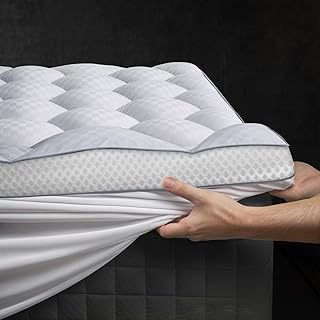
Rayon derived from bamboo over a pillow-top fill makes this the coolest-sleeping pad reviewed, with a 20-inch deep pocket that handles tall mattresses. Choose it if heat, not pressure, is what wakes you up.
BEDLORE Viscose Bamboo Mattress Topper
A thick pillow top with a breathable viscose bamboo face and stretchable pockets sized for 6- to 18-inch mattresses. The dark gray colorway is a small but welcome design consideration for anyone who has watched a white pad yellow over time.
Frequently Asked Questions
How thick should a mattress pad be for side sleeping?
Two to three inches of memory foam is the standard recommendation. Thinner quilted pads soften the surface, but only a few inches of contouring foam will genuinely unload a shoulder or hip.
Will a soft pad make my back pain worse?
Only if it lets your midsection sag. Look for a pad with a supportive base layer or higher-density foam, so your shoulders sink while your waist stays lifted and your spine holds a neutral line.
Do memory foam pads sleep hot?
They can, though gel infusions, ventilated cores, and mesh side panels help considerably. If you routinely wake up overheated, a bamboo-derived pillow top will run cooler than any foam.
How long does a mattress pad last?
Expect two to three years from a quilted pad and three to five from quality certified foam. Rotate it periodically and wash the cover on a regular schedule to slow compression.
Final Thoughts
For most side sleepers dealing with real pressure-point pain, the JSELF 3 Inch Gel Memory Foam Topper is the strongest all-around choice, combining targeted relief with certified materials and a cover that stays put. Hot sleepers should go to the Niagara Sleep Solution bamboo pillow top instead, and anyone who simply wants a softer, washable surface over an already-decent mattress will be well served by the OLANLY quilted pad.