Key takeaways
- Thickness: Side sleepers generally need more than back or stomach sleepers. Two inches is enough to take the edge off a firm bed; three to four inches is where genuine shoulder and hip immersion begins. Anything under two inches tends to compress flat under a pressure point and stop working.
- Layer structure: Single-density foam either cradles or supports, rarely both. Dual-layer designs — a plush fiber or pillow top over a denser foam base — let the shoulder sink while the hip still meets resistance, which is exactly the balance a side sleeper wants.
- Heat management: Deep contouring means more of your body is surrounded by material, and surrounded means warmer. Look for gel infusions, open-cell foam, or a viscose-from-bamboo cover, plus mesh side panels that let trapped air escape rather than pool.
- Fit and anchoring: A topper that shifts overnight becomes a lump under your ribs. Check the deep-pocket range against your actual mattress height including any existing pad — good options stretch from around six inches to eighteen or twenty, which covers most modern builds.
- Certification and off-gassing: CertiPUR-US certification confirms the foam meets limits on VOCs, heavy metals, and certain flame retardants. Expect a mild initial odor on any foam product and plan to air it out for 24 to 72 hours before dressing the bed.
What's inside
Side sleeping puts the whole body on two narrow pressure points: the shoulder and the hip. Everything else — knees, ribs, ankles — floats. That geometry is why side sleepers so often wake with a numb arm or a tight lower back on a mattress that feels perfectly fine to their back-sleeping partner. A bed that reads as supportive when you’re lying flat can turn into a hard shelf the moment you roll onto your side, forcing the spine into a shallow S instead of a clean line from tailbone to skull.
Replacing the mattress is the expensive answer. A topper is the precise one. The right two to four inches of foam or fiber gives the shoulder somewhere to sink and the hip somewhere to settle, without softening the deep support layers you already paid for. Below we’ve gathered the toppers worth considering in 2026 — thick dual-layer builds, cooling gel foams, and breathable bamboo-rayon pillow tops — followed by a buying framework and answers to the questions that come up most often.
As an Amazon Associate we earn from qualifying purchases.


How to Choose a Mattress Topper For Side Sleeper (2026)
- Thickness: Side sleepers generally need more than back or stomach sleepers. Two inches is enough to take the edge off a firm bed; three to four inches is where genuine shoulder and hip immersion begins. Anything under two inches tends to compress flat under a pressure point and stop working.
- Layer structure: Single-density foam either cradles or supports, rarely both. Dual-layer designs — a plush fiber or pillow top over a denser foam base — let the shoulder sink while the hip still meets resistance, which is exactly the balance a side sleeper wants.
- Heat management: Deep contouring means more of your body is surrounded by material, and surrounded means warmer. Look for gel infusions, open-cell foam, or a viscose-from-bamboo cover, plus mesh side panels that let trapped air escape rather than pool.
- Fit and anchoring: A topper that shifts overnight becomes a lump under your ribs. Check the deep-pocket range against your actual mattress height including any existing pad — good options stretch from around six inches to eighteen or twenty, which covers most modern builds.
- Certification and off-gassing: CertiPUR-US certification confirms the foam meets limits on VOCs, heavy metals, and certain flame retardants. Expect a mild initial odor on any foam product and plan to air it out for 24 to 72 hours before dressing the bed.
The Best Mattress Topper For Side Sleeper (2026)s Reviewed
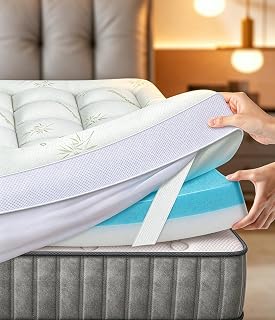
Fracho 4 Inch King Dual Layer Memory Foam Topper
The most substantial option here, pairing a two-inch bamboo rayon pillow top with two inches of cooling gel memory foam beneath for a medium-firm result that lets the shoulder drop without bottoming out. This is the pick for side sleepers on a genuinely too-firm mattress, or heavier sleepers who compress thinner toppers to nothing.
Linenspa 2 Inch Gel Memory Foam Topper
A plush, gel-infused two-inch layer that softens a firm surface rather than rebuilding it — the sensible entry point if your bed is close to right and just needs pressure relief at the hip. CertiPUR certified, and the least disruptive choice if you like your current mattress feel.
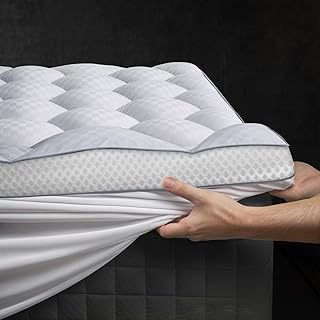
3 Inch Ultra-Fluffy Pillow Top Topper
Marketed toward back pain, and the reasoning holds up for side sleepers: three inches of extra-soft fill with reinforced support zones keeps the lumbar curve filled in while the shoulder sinks. The breathable air-mesh side panels and 6–21″ deep pocket make it one of the more adaptable builds on the list.
BEDLORE Queen Viscose Bamboo Pillow Top
A thick fiber-fill pillow top rather than a foam slab, which means a cooler, more responsive surface that’s easier to move on — worth noting if you change position several times a night. Stretchable pockets fit 6″–18″ mattresses, and the viscose bamboo cover suits sleepers who run warm.
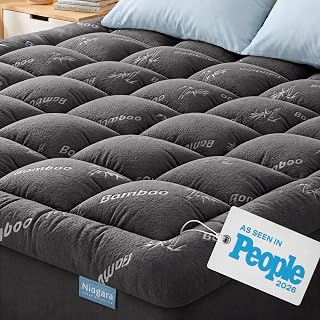
Niagara Sleep Solution Ultra Soft Cooling Topper
The coolest-sleeping option of the group, with a rayon-from-bamboo surface and a generous 20-inch deep pocket that clears even tall hybrid mattresses with a pad already in place. Softness comes from loft rather than density, so expect gentle cushioning instead of deep memory-foam immersion.
Frequently Asked Questions
How thick should a topper be for side sleeping?
Three inches is the practical sweet spot for most side sleepers. Choose two inches if your mattress is only slightly too firm, and four inches if it’s noticeably hard or you’re above roughly 230 pounds, where thinner layers compress out.
Will a topper fix shoulder pain?
Often, yes — shoulder pain in side sleepers usually comes from a surface that won’t let the joint sink. A topper addresses the surface, but pair it with a pillow tall enough to fill the gap between ear and mattress, or you’ll simply move the strain to your neck.
Memory foam or bamboo pillow top?
Memory foam contours more precisely and relieves pressure better; bamboo-rayon pillow tops sleep cooler and are easier to shift position on. Warm sleepers and frequent movers tend to prefer the pillow top, while sleepers with hip or shoulder pain usually do better with foam.
Can a topper make a sagging mattress usable again?
Only temporarily. A topper masks a dip but can’t restore lost support underneath, so the sag will telegraph through within weeks. If your mattress has a visible depression, treat a topper as a stopgap rather than a repair.
Final Thoughts
For most side sleepers, the Fracho 4 Inch dual-layer topper is the strongest all-around choice — it delivers real shoulder immersion with a firm enough base to keep the hip aligned. If heat is your primary complaint, the Niagara Sleep Solution cooling topper or the BEDLORE viscose bamboo pillow top will run noticeably cooler while still taking the hard edge off your mattress.