Key takeaways
- Height over 12 inches: A taller profile is not a vanity spec for heavier sleepers, it is headroom. You need three to four inches of pressure-relieving comfort material without eating into the support core, which is why 14 inches has become the practical baseline in this category.
- Pocketed coils with zoned firmness: Individually wrapped springs push back proportionally to the load placed on them, so a heavier hip meets more resistance than a lighter calf. Zoned lumbar reinforcement adds firmer coils through the midsection specifically to stop the sag that plagues side sleepers.
- Medium to medium-firm feel: Firmness is relative to body weight. A mattress rated medium will read closer to medium-soft at 250 pounds, which is usually the sweet spot for shoulder relief. Anything marketed as plush deserves scrutiny unless the coil unit underneath is genuinely robust.
- Active cooling, not passive claims: More body mass means more heat and deeper compression into foam, which traps it. Look for gel infusion, open-cell or aerated foam, and a cover engineered for heat transfer rather than a vague breathability mention.
- Warranty terms and sag thresholds: A 10-year warranty is standard, but read what counts as a defect. Generous sleep trials matter too, since compression issues under higher body weight often surface after 60 to 90 days rather than in the first week.
What's inside
Side sleeping concentrates your entire body weight onto two narrow contact zones: the shoulder and the hip. For sleepers over 230 pounds, that geometry turns most mattresses into a problem. Plush comfort layers compress to nothing within months, the lumbar region bows into a hammock, and the shoulder that needed room to sink instead hits a wall of unyielding foam. The result is a familiar cycle of numb arms, morning hip ache, and a bed that felt supportive in the showroom and defeated by spring.
What heavier side sleepers actually need is a two-part structure: a comfort layer generous enough to let the shoulder and hip descend into the surface, sitting on a support core dense enough to hold the waist and lower back level. This guide breaks down the specifications that predict durability under load, then walks through six mattresses that pair real contour with real reinforcement, spanning budget-friendly boxed hybrids up to a premium innerspring built for the long haul.
As an Amazon Associate we earn from qualifying purchases.




How to Choose a Mattress For Heavy Side Sleepers (2026)
- Height over 12 inches: A taller profile is not a vanity spec for heavier sleepers, it is headroom. You need three to four inches of pressure-relieving comfort material without eating into the support core, which is why 14 inches has become the practical baseline in this category.
- Pocketed coils with zoned firmness: Individually wrapped springs push back proportionally to the load placed on them, so a heavier hip meets more resistance than a lighter calf. Zoned lumbar reinforcement adds firmer coils through the midsection specifically to stop the sag that plagues side sleepers.
- Medium to medium-firm feel: Firmness is relative to body weight. A mattress rated medium will read closer to medium-soft at 250 pounds, which is usually the sweet spot for shoulder relief. Anything marketed as plush deserves scrutiny unless the coil unit underneath is genuinely robust.
- Active cooling, not passive claims: More body mass means more heat and deeper compression into foam, which traps it. Look for gel infusion, open-cell or aerated foam, and a cover engineered for heat transfer rather than a vague breathability mention.
- Warranty terms and sag thresholds: A 10-year warranty is standard, but read what counts as a defect. Generous sleep trials matter too, since compression issues under higher body weight often surface after 60 to 90 days rather than in the first week.
The Best Mattress For Heavy Side Sleepers (2026)s Reviewed
BedStory 14 Inch Hybrid King
This is the most direct answer to the brief, engineered explicitly around heavier bodies with a zoned lumbar band and a pocket spring unit built to resist sagging. Side sleepers get enough surface give at the shoulder while the reinforced midsection keeps the spine from collapsing inward.
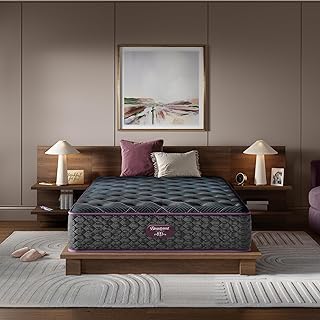
Beautyrest World Class Level Three Plush 14.75″
The premium choice here, and the one to consider if you have replaced budget beds more than once. The plush surface delivers genuine shoulder immersion, while the domestically built innerspring system provides the durable support that keeps a soft top layer from becoming a trap.
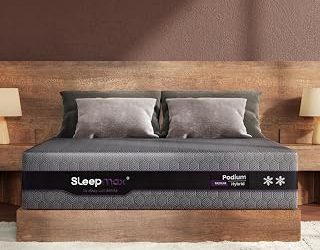
Sleepmax Queen 14 Inch Hybrid
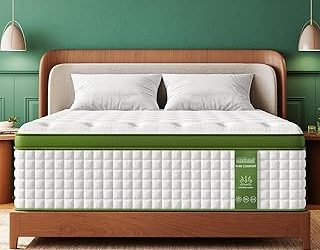
A well-balanced boxed hybrid that splits the difference between contour and lift, with cooling built into the comfort layers rather than bolted on. The 365-night trial is the real differentiator, giving you a full year to see how it holds under sustained load.
Novilla 14 Inch Gel Memory Foam Hybrid King
Best suited to side sleepers who want the slow, cradling feel of memory foam without the heat and the sink. Gel-infused foam over pocketed coils delivers spinal alignment support, and the cool-touch nylon cover is a meaningful upgrade over standard knit panels.
Medium Firm Queen 14 Inch Zoned Hybrid
The value pick for side sleepers who run warm and want zoned lumbar support without a premium outlay. Medium-firm on paper reads closer to medium under heavier body weight, which lands about right for hip and shoulder relief.
Frequently Asked Questions
Is a hybrid or all-foam mattress better for heavy side sleepers?
Hybrids generally win. Pocketed coils resist compression under sustained weight far better than foam alone and provide stronger edge support, which matters when sitting on the perimeter. Foam-heavy options like the Sweetnight CoolNest work well for lighter-frame side sleepers or as a softer alternative.
How firm should the mattress be?
Aim for medium to medium-firm. Perceived firmness scales with body weight, so a bed that feels medium-firm at 160 pounds will feel noticeably softer at 250. You want the shoulder to sink and the waist to stay supported.
How long should a mattress last under higher body weight?
Expect six to eight years from a quality hybrid, versus the ten often quoted for average-weight sleepers. Rotating the mattress every three to six months meaningfully extends that window.
Does a 14-inch mattress need special sheets?
Yes. Standard fitted sheets are cut for 10 to 12 inch profiles and will pop off the corners. Look for deep-pocket sheets rated to 16 inches or more.
Final Thoughts
For most heavy side sleepers, the BedStory 14 Inch Hybrid is the clearest match, purpose-built for higher body weights with the zoned lumbar reinforcement that keeps hips from dipping. If your budget allows for a longer-term investment, the Beautyrest World Class Level Three Plush pairs true shoulder relief with a support system designed to outlast the boxed-bed category. And if you want maximum flexibility while you test, the Sleepmax 14 Inch Hybrid backs a capable cooling build with a full year to change your mind.