Key takeaways
- Comfort layer depth: Side sleepers need roughly three to four inches of conforming material above the support core. A 14-inch hybrid usually delivers this; anything under 10 inches tends to bottom out at the shoulder.
- Zoned support: Look for firmer coils or foam through the lumbar region and softer response at the shoulders. Zoning is what lets your hips sink without dragging your lower back with them.
- Firmness by body weight: Under about 130 lbs, plush suits most side sleepers. Between 130 and 230 lbs, medium is the safer bet. Above that, medium-firm prevents the sink that causes hip misalignment.
- Heat management: Curled positions trap warmth. Gel infusions, copper, and graphene-treated covers all help, but pocketed coils moving air through the core matter more than any single cover treatment.
- Trial length and certification: Side sleeping takes three to four weeks to adjust to a new surface. A 365-night trial removes the pressure, and CertiPUR-US plus fiberglass-free construction should be non-negotiable.
What's inside
Sleeping on your side puts the whole weight of your shoulder and hip into a few square inches of surface area. Get the wrong mattress and those two pressure points either sink too far, twisting the spine out of line, or refuse to sink at all, leaving you shifting position every ninety minutes and waking with a numb arm. The frustrating part is that firmness labels tell you almost nothing about how a bed will treat a side sleeper specifically, which is why so many people end up on their second or third mattress in five years.
This guide looks at hybrid and foam mattresses through a side-sleeping lens: how deeply the comfort layer lets your shoulder settle, whether the lumbar zone holds while the hips drop, and how well the build handles heat once you are curled up with less surface area exposed. Below you will find current standouts across queen and full sizes, a short checklist for narrowing your own shortlist, and honest notes on where each option fits best.
As an Amazon Associate we earn from qualifying purchases.


How to Choose a Type Of Mattress For Side Sleepers (2026)
- Comfort layer depth: Side sleepers need roughly three to four inches of conforming material above the support core. A 14-inch hybrid usually delivers this; anything under 10 inches tends to bottom out at the shoulder.
- Zoned support: Look for firmer coils or foam through the lumbar region and softer response at the shoulders. Zoning is what lets your hips sink without dragging your lower back with them.
- Firmness by body weight: Under about 130 lbs, plush suits most side sleepers. Between 130 and 230 lbs, medium is the safer bet. Above that, medium-firm prevents the sink that causes hip misalignment.
- Heat management: Curled positions trap warmth. Gel infusions, copper, and graphene-treated covers all help, but pocketed coils moving air through the core matter more than any single cover treatment.
- Trial length and certification: Side sleeping takes three to four weeks to adjust to a new surface. A 365-night trial removes the pressure, and CertiPUR-US plus fiberglass-free construction should be non-negotiable.
The Best Type Of Mattress For Side Sleepers (2026)s Reviewed
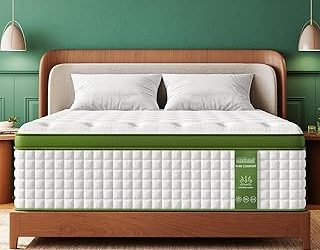
Medium Firm 14-Inch Hybrid with Zoned Lumbar Support
This is the most balanced pick here for average-build side sleepers, pairing a genuinely soft top few inches with a firmer coil zone under the waist so the spine stays neutral as the hips settle. The 365-night trial and 10-year warranty make it a low-risk starting point if you are switching from an old innerspring.
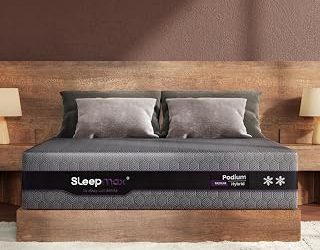
Sleepmax 14-Inch Hybrid
Built for people who split time between their side and their back, with a slightly more responsive feel that makes rolling over easier than deep memory foam allows. Cooling is the standout feature, and the CertiPUR-US, fiberglass-free construction is reassuring at this price point.
Soft Plush 14-Inch Hybrid
The dedicated plush option, and the right answer for lighter side sleepers who find most medium mattresses leave their shoulder propped up. Gel memory foam over pocketed springs gives deep shoulder relief without the pure-foam trapped feeling.
12-Inch Cooling Hybrid, Full Size
A sensible full-size choice for guest rooms, smaller bedrooms, or teens, with medium-firm gel foam over pocket coils and strong motion isolation. At 12 inches it is shallower than the queens above, so it suits lighter to average side sleepers better than heavier ones.
BedStory Firm 13-Inch Hybrid
The firm outlier, aimed at heavier side sleepers and combination sleepers who need real pushback through the lumbar zone. Its hotel-collection feel keeps hips from sinking, though dedicated side sleepers under 150 lbs will likely find it too unforgiving at the shoulder.
Frequently Asked Questions
Is soft or medium better for side sleepers?
Medium works for the majority, but body weight decides it. Lighter sleepers need soft to get shoulder sink; heavier sleepers need medium-firm to avoid hip collapse.
Are hybrids better than all-foam for side sleeping?
Usually, yes. Hybrids give you foam contouring at the surface plus coil airflow and edge support underneath. All-foam options like the EGOHOME 14-inch remain excellent if motion isolation is your priority.
How thick should a side sleeper’s mattress be?
Aim for 12 inches minimum, with 13 to 14 inches ideal. That depth allows a full comfort layer without compromising the support core.
Will a new mattress fix my shoulder pain?
Often it helps considerably, since most side-sleeping shoulder pain comes from insufficient sink at the top of the mattress. Give any new bed a month before judging, and pair it with a pillow tall enough to fill the neck gap.
Final Thoughts
For most side sleepers, the Medium Firm 14-Inch Zoned Lumbar Hybrid is the safest all-round choice, balancing shoulder relief against spinal alignment. Lighter sleepers should go straight to the Soft Plush 14-Inch Hybrid, while heavier sleepers and those dealing with lower back pain will get more from the BedStory Firm 13-Inch. All three come with year-long trials, so the real test happens in your own bedroom.