Key takeaways
- USB charging: genuinely useful, especially dual-side ports so nobody stretches across the bed.
- Under-bed lighting: a small, real quality-of-life gain for midnight trips, and it reads as intentional design rather than a gadget.
- Massage: pleasant, rarely transformative. Nice at this price point, not worth a large premium.
- Wireless remote with memory presets: the feature you will use most. Backlit buttons matter in a dark room.
- Side pockets: minor, but they keep the remote from disappearing into the sheets.
What's inside
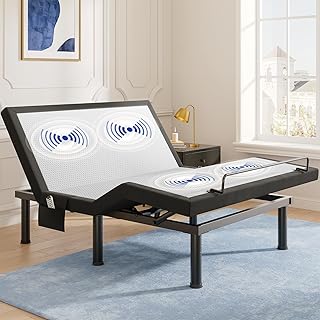
Adjustable bases have quietly moved from the medical-supply aisle into mainstream bedroom design, and the shift shows. The current generation hides its machinery inside a low-profile frame, wraps it in upholstery-grade fabric, and answers to a remote that lives in a side pocket instead of dangling off the rail. If you have been putting off the upgrade because you pictured a hospital bed, the category has moved on without you.
This guide walks through how to choose one without overbuying. We will cover which motor and range specs actually change your nightly experience, how to pair a base with the mattress you already own, why size and leg height matter more than most listings admit, and which features hold up after the novelty wears off. Along the way you will see where models like the Sven & Son Classic, the Tami Tami T600, and the Mixcous full-size base fit different budgets and rooms.
As an Amazon Associate we earn from qualifying purchases.




Start With How You Actually Sleep
Before comparing feature lists, name the problem you want solved. Back sleepers who snore or deal with reflux benefit most from head articulation in the 30-to-45-degree range. Side sleepers usually want a gentler head lift plus a slight knee bend to unload the lower back. Anyone with swelling or circulation concerns should prioritize foot lift, which many budget bases omit entirely. Head-only frames cost less and disappoint fast if elevated legs were the point, so confirm dual articulation in writing. The Tami Tami T450 and the Best Choice Products ergonomic base both handle head and foot independently, which is the baseline worth insisting on.
Motors, Range, and the Truth About Zero Gravity
Motor quality is the difference between a base you use nightly and one you stop touching. Listen for the descriptor “quiet motor” and read reviews for the word grinding. Look for a duty cycle rated for repeated daily use and a warranty that covers the motor separately from the frame. Zero gravity, meanwhile, is not marketing fluff but it is also not magic: it is a preset that raises the head slightly and the knees more, distributing weight so the spine decompresses. Most people love it for reading and daytime rest rather than deep sleep. The Mixcous base pairs zero gravity with a dedicated anti-snore preset, which is the combination that earns its keep for couples.
Pairing the Base With a Mattress
An adjustable base only works with a mattress that can flex. All-foam and most hybrid mattresses qualify. Traditional innerspring with a rigid perimeter or a bonnell coil system does not, and forcing it will break the mattress or the base. If your current mattress is more than eight years old or you are unsure of its construction, buying a matched set removes the guesswork. The Sven & Son Classic ships with a 14-inch hybrid spring mattress in a medium-soft feel, and the Twin XL bundle pairs its frame with a 12-inch gel memory foam mattress that is fiberglass free, worth noting if flame-retardant materials concern you. Either route saves a return shipment.
Sizing, Legs, and How It Lives in the Room
Measure twice here. Split configurations in king and queen let two people articulate independently but require two twin XL mattresses and a bridging pad. A single full or queen base, like the Tami Tami T600 in queen, moves as one piece, which is simpler and better suited to solo sleepers or couples with matched preferences. Leg height decides whether the base slides inside your existing bed frame or stands alone. Adjustable legs, typically offering three heights, give you that flexibility after delivery. Also confirm the base clears your nightstand drawers when the head is fully raised, and leave a few inches of wall clearance so the headboard does not scuff paint.
Which Extras Earn Their Place
- USB charging: genuinely useful, especially dual-side ports so nobody stretches across the bed.
- Under-bed lighting: a small, real quality-of-life gain for midnight trips, and it reads as intentional design rather than a gadget.
- Massage: pleasant, rarely transformative. Nice at this price point, not worth a large premium.
- Wireless remote with memory presets: the feature you will use most. Backlit buttons matter in a dark room.
- Side pockets: minor, but they keep the remote from disappearing into the sheets.
Tips
- Check the weight capacity against your mattress weight plus occupants, not occupants alone. A 14-inch hybrid can add well over 100 pounds.
- Ask about assembly before ordering. Tools-free designs advertising five-minute setup are usually honest, but two people are still easier than one.
- Order deep-pocket or adjustable-bed sheet sets. Standard fitted sheets pop off corners the first time the head raises.
- Keep the power cord routed with slack on the articulating side so movement never puts tension on the plug.
Frequently Asked Questions
Can I keep my current bed frame?
Often yes. Most adjustable bases drop inside an existing platform or panel frame once you remove the slats and box spring, provided the interior dimensions match and legs are removed or set to the lowest height.
Do adjustable beds help with snoring?
Elevating the head reduces airway collapse for many light-to-moderate snorers, and anti-snore presets automate that angle. It is not a treatment for sleep apnea, which needs a clinical diagnosis.
Will one side moving wake my partner?
On a single-piece base, yes, both sides move together. Split configurations solve this but cost more and need two twin XL mattresses.
How long do these last?
Frames typically outlive motors. Expect eight to ten years from a well-built base, and prioritize brands that sell replacement motors and remotes rather than requiring a whole-unit swap.
Conclusion
The best adjustable bed for 2026 is the one matched to a specific complaint, sized correctly for your room, and paired with a mattress that flexes. Decide on dual articulation, a quiet motor with a real warranty, and a remote you will actually enjoy using, then treat massage and lighting as welcome extras rather than deciding factors.