Key takeaways
- Motion isolation: This is the single most important spec for shared beds. Individually pocketed coils and dense memory foam absorb movement locally, so one person shifting position doesn’t telegraph across the mattress.
- Firmness compromise: Medium firm is the reliable middle ground for mixed sleep styles, supporting stomach and back sleepers while still allowing side sleepers enough give at the shoulder and hip.
- Cooling strategy: Two bodies mean roughly double the heat output. Look for a real mechanism — copper or graphene infusion, gel beads, or the airflow of a coil unit — rather than a marketing claim on the cover.
- Zoned lumbar support: Seven-zone constructions firm up under the midsection and soften at the shoulders, which matters most when partners of different weights create uneven load across the surface.
- Trial length and height: A 365-night trial gives your bodies time to adapt to a new surface. Also check profile: 14 to 16 inches needs deep-pocket sheets and can make a low bed frame feel tall.
What's inside
Sharing a bed is a design problem before it is a comfort problem. Two bodies, two sleep positions, two internal thermostats, and usually two very different opinions about firmness all have to coexist on one surface for roughly a third of your life. A king gives you the footprint to solve it — 76 inches of width is genuinely generous — but square footage alone does nothing about a partner who rolls at 3 a.m., sleeps hot, or wakes with a stiff lower back.
This guide narrows the field to king mattresses built specifically around couple-shared sleep: motion isolation that keeps movement local, zoned support that treats hips and shoulders differently, and cooling layers that manage the extra body heat two people generate. Every pick below is fiberglass-free and CertiPUR-US certified, and each is judged on how it performs for two rather than how it feels on a showroom floor.
As an Amazon Associate we earn from qualifying purchases.


How to Choose a King Size Mattress for Couples (2026)
- Motion isolation: This is the single most important spec for shared beds. Individually pocketed coils and dense memory foam absorb movement locally, so one person shifting position doesn’t telegraph across the mattress.
- Firmness compromise: Medium firm is the reliable middle ground for mixed sleep styles, supporting stomach and back sleepers while still allowing side sleepers enough give at the shoulder and hip.
- Cooling strategy: Two bodies mean roughly double the heat output. Look for a real mechanism — copper or graphene infusion, gel beads, or the airflow of a coil unit — rather than a marketing claim on the cover.
- Zoned lumbar support: Seven-zone constructions firm up under the midsection and soften at the shoulders, which matters most when partners of different weights create uneven load across the surface.
- Trial length and height: A 365-night trial gives your bodies time to adapt to a new surface. Also check profile: 14 to 16 inches needs deep-pocket sheets and can make a low bed frame feel tall.
The Best King Size Mattresses For Couples (2026) Reviewed
BedStory 14 Inch Medium Firm Hybrid
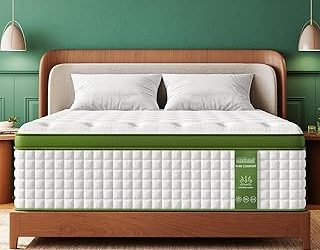
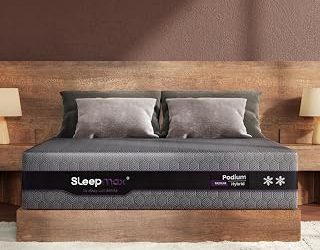
The most balanced all-rounder here, pairing a pocketed coil base with foam comfort layers for motion isolation that holds up to restless partners. The lumbar reinforcement is the standout feature, and the 365-night trial removes most of the risk from buying a bed online.
EGOHOME 14 Inch Copper Gel Memory Foam
An all-foam pick for couples whose main complaint is back pain — copper gel infusion and a graphene-cooled cover address the usual memory foam heat trap. Foam absorbs motion better than almost anything, so this is the quietest option for a light sleeper paired with a night owl.
16 Inch Upgraded Luxury Hybrid with 7-Zone Support
The tallest option in the lineup, and the most hotel-like in feel, with seven-zone coils that respond differently under shoulders, lumbar, and hips. Worth choosing if you and your partner differ significantly in weight, since the zoning prevents the heavier sleeper from creating a roll-together dip.
EGOHOME 12 Inch Green Tea Memory Foam
The value entry: a slimmer 12-inch profile with green tea gel-infused foam that keeps things fresher and cooler than basic memory foam. A sensible pick for guest rooms, secondary bedrooms, or a first king upgrade where budget matters more than luxury height.
14 Inch Hybrid with Individual Pocket Springs
A straightforward, well-executed hybrid where the pocketed springs do the heavy lifting on isolation and the zoned foam handles pressure relief at the hips and shoulders. Medium firm and neutral in feel, it suits couples who want support without a strong sink-in sensation.
Frequently Asked Questions
Is a king actually big enough for two adults?
Yes. At 76 by 80 inches, a standard king gives each person about 38 inches of width — roughly a twin bed each. If one partner is very tall, a California king trades four inches of width for four inches of length.
Hybrid or all-foam for couples?
Hybrids sleep cooler and offer easier movement across the surface, which suits combination sleepers and warmer bedrooms. All-foam beds isolate motion slightly better and cost less, making them the stronger choice when one partner is easily woken.
What if we prefer different firmness levels?
Medium firm resolves most mismatches, since it is the widest comfort window available in a single surface. For genuinely opposed preferences, a medium firm base plus a topper on one side is more effective than compromising on the mattress itself.
How long does off-gassing take?
Most compressed mattresses need 24 to 72 hours to fully expand and for the initial odor to dissipate. Unbox in a ventilated room and allow at least a day before dressing the bed.
Final Thoughts
For most couples, the BedStory 14 Inch Hybrid is the safest default — balanced firmness, strong lumbar support, and a full-year trial. Choose the EGOHOME 14 Inch Copper Gel if back pain and a light-sleeping partner are your priorities, or step up to the 16 Inch 7-Zone Luxury Hybrid when you want hotel-grade height and support that adapts to two different body weights.