Key takeaways
- Look for GOLS and GOTS, not adjectives: Global Organic Latex Standard covers the latex core, Global Organic Textile Standard covers the cotton and wool. Without those two acronyms, “natural” is a description of vibe rather than content. CertiPUR-US is a different animal entirely: it certifies foam emissions and content limits, not organic sourcing.
- Target medium rather than firm: Side sleepers need the surface to yield at the shoulder and hip while still holding the lumbar curve. Medium to medium-firm is the working range for most body types; anything marketed as extra firm will leave your shoulder doing the work.
- Prioritize pressure mapping over plush depth: Zoned pocket coils flex independently under the hip and shoulder while staying supportive under the waist. That localized give does more for spinal alignment than simply adding another inch of soft comfort layer.
- Check what is not in it: Fiberglass-free and polyfoam-free construction matter for durability as much as for air quality. Wool is a naturally flame-resistant alternative, which is why the best organic builds do not need a fiberglass sock in the cover.
- Weigh the trial window seriously: Side sleepers often need three to four weeks before the shoulder adapts to a new surface. A 100-night minimum is reasonable; a full-year trial removes the risk entirely.
What's inside
Side sleeping puts the shoulder and hip in direct negotiation with the mattress, and most beds lose that argument. Too firm and the pressure points bear the whole load; too soft and the spine sags out of neutral by morning. Add the desire for organic materials and the field narrows fast, because “natural” has become a marketing gesture more often than a material fact. Certifications get name-dropped, foam gets rebranded, and buyers are left comparing claims instead of construction.
This guide separates the genuinely certified from the merely low-emission. We look at what side sleepers actually need from a mattress, which certifications carry weight, and where the trade-offs live between latex, pocket coils, and gel memory foam. A few beds below are not organic in the GOTS or GOLS sense, and they are labeled as such. They earn a place because they solve the pressure-relief problem well at a lower price, which matters if organic latex sits outside your budget this year.
As an Amazon Associate we earn from qualifying purchases.


How to Choose an Organic Mattress For Side Sleepers (2026)
- Look for GOLS and GOTS, not adjectives: Global Organic Latex Standard covers the latex core, Global Organic Textile Standard covers the cotton and wool. Without those two acronyms, “natural” is a description of vibe rather than content. CertiPUR-US is a different animal entirely: it certifies foam emissions and content limits, not organic sourcing.
- Target medium rather than firm: Side sleepers need the surface to yield at the shoulder and hip while still holding the lumbar curve. Medium to medium-firm is the working range for most body types; anything marketed as extra firm will leave your shoulder doing the work.
- Prioritize pressure mapping over plush depth: Zoned pocket coils flex independently under the hip and shoulder while staying supportive under the waist. That localized give does more for spinal alignment than simply adding another inch of soft comfort layer.
- Check what is not in it: Fiberglass-free and polyfoam-free construction matter for durability as much as for air quality. Wool is a naturally flame-resistant alternative, which is why the best organic builds do not need a fiberglass sock in the cover.
- Weigh the trial window seriously: Side sleepers often need three to four weeks before the shoulder adapts to a new surface. A 100-night minimum is reasonable; a full-year trial removes the risk entirely.
The Best Organic Mattress For Side Sleepers (2026)s Reviewed
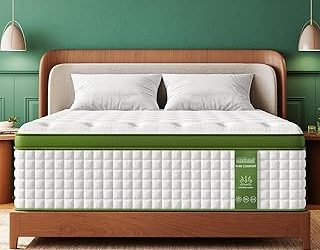
11″ Organic Hybrid — GOTS Cotton & Wool, GOLS Latex
This is the reference build for the category: GOLS-certified natural latex over hybrid pocket coils, wrapped in GOTS cotton and wool, with no polyfoam or fiberglass anywhere in the stack. The medium feel gives just enough at the shoulder for side sleepers while the coil layer keeps the hips from dropping, and the US-made construction shows in the tufting and edge integrity.
My Green Mattress Kiwi Organic Hybrid
The Kiwi pairs GOLS latex with a 7-zone pocket coil unit, which is exactly the architecture side sleepers benefit from most, and the hand-tufted tight top means no glued-down comfort layer to compress unevenly over time. Medium-firm reads slightly more supportive than the 11″ above, making it the better fit for heavier side sleepers or anyone who alternates between side and back.
Sweetnight CoolNest 14″
Not an organic mattress, and it does not claim to be: this is CertiPUR-US cooling memory foam with 5-zone ergonomic support. It contours generously at the shoulder and runs noticeably cooler than standard memory foam, which makes it a sensible pick for warm side sleepers who need contouring more than certification.
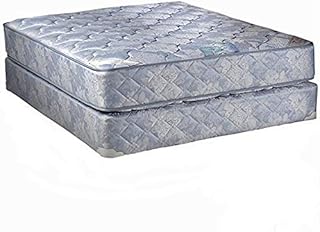
Vibe Quilted Hybrid 12″
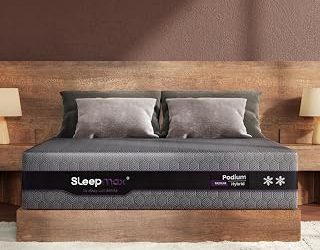
An innerspring core with a gel memory foam pillow top, fiberglass-free and CertiPUR-US certified. The quilted surface softens the entry point for side sleepers at an entry-level price, though the comfort layer will not hold its loft as long as a latex build.
DreamCloud 12″ Hybrid
The 365-night trial is the headline feature and a genuine advantage for side sleepers who need months to judge shoulder comfort honestly. The hybrid memory foam construction lands slightly firmer than most side sleepers prefer, so pair it with a soft topper if you sleep light on the hip.
Frequently Asked Questions
Is an organic mattress actually better for side sleeping?
Organic certification addresses materials, not ergonomics. That said, natural latex has a responsive, buoyant quality that contours at the shoulder without the slow-sink feel of memory foam, which many side sleepers prefer for pressure relief and ease of turning.
What firmness should a side sleeper choose?
Medium for lighter frames under roughly 150 pounds, medium-firm above that. The goal is enough surface give for the shoulder and hip to settle in while the spine stays level from neck to tailbone.
Does CertiPUR-US mean a mattress is organic?
No. CertiPUR-US verifies that polyurethane foam meets limits on emissions and certain chemicals. It is a meaningful safety credential but says nothing about organic agriculture or textile sourcing, which is what GOLS and GOTS cover.
Do latex mattresses sleep hot?
Generally no. Latex has an open-cell structure and, in these builds, sits under GOTS wool that regulates moisture and temperature. Dense all-foam mattresses without cooling gel are the more common culprit for heat retention.
Final Thoughts
For a genuinely certified organic bed built around side-sleeping mechanics, the 11″ Organic Hybrid with GOLS latex and GOTS cotton and wool is the cleanest execution here, with the My Green Mattress Kiwi close behind and arguably better suited to heavier sleepers thanks to its 7-zone coil unit. If organic latex is out of range this year, the Sweetnight CoolNest 14″ delivers the contouring and cooling side sleepers need at a fraction of the cost, provided you are clear that CertiPUR-US foam is a different promise than organic certification.