Key takeaways
- Comfort layer depth: Side sleepers need at least three to four inches of adaptive foam above the support core so the shoulder can sink without bottoming out. Thin comfort layers on tall mattresses are a common mismatch.
- Medium feel over firm: Medium is the sweet spot for most side sleepers under 230 lbs. Firm surfaces push back against the hip and force the spine into a subtle S-curve you’ll feel by morning.
- Heat management: Dense memory foam cradles well but traps warmth. Look for phase-change cover treatments or ventilated layers, particularly if your bedroom faces afternoon sun or sits under a roofline.
- Height and room proportion: An 11-inch mattress on a 14-inch platform bed reads balanced; the same mattress on a tall storage frame can overwhelm a low headboard. Measure your intended silhouette before you order.
- Trial length and return logistics: Foam needs two to three weeks to break in and your body needs longer to adapt. Prioritize a generous in-home trial, and confirm who handles removal if you send it back.
What's inside
Side sleeping is the most common position and the least forgiving one. All your weight lands on two narrow zones — shoulder and hip — while the waist and lower back hover above the surface waiting for support that never arrives. A mattress that feels plush in a showroom for ten seconds can still leave you rotating between sides at 3 a.m., because what side sleepers actually need is contouring depth at the pressure points paired with continuous support through the lumbar gap. Firmness numbers alone won’t tell you whether a bed does that.
This guide looks at Tempur-Pedic’s side-sleeper-friendly lineup through a furnishing lens as much as a comfort one: how each option sits in a room, how it pairs with low-profile platforms and upholstered frames, and where a topper makes more sense than a full replacement. We’ve also included two hybrid alternatives worth knowing about if you want coil-based bounce or a lower entry point, so you can weigh the trade-offs honestly before committing.
As an Amazon Associate we earn from qualifying purchases.


How to Choose a Tempur Mattress For Side Sleepers (2026)
- Comfort layer depth: Side sleepers need at least three to four inches of adaptive foam above the support core so the shoulder can sink without bottoming out. Thin comfort layers on tall mattresses are a common mismatch.
- Medium feel over firm: Medium is the sweet spot for most side sleepers under 230 lbs. Firm surfaces push back against the hip and force the spine into a subtle S-curve you’ll feel by morning.
- Heat management: Dense memory foam cradles well but traps warmth. Look for phase-change cover treatments or ventilated layers, particularly if your bedroom faces afternoon sun or sits under a roofline.
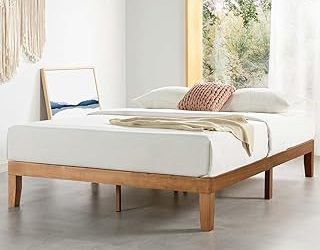
- Height and room proportion: An 11-inch mattress on a 14-inch platform bed reads balanced; the same mattress on a tall storage frame can overwhelm a low headboard. Measure your intended silhouette before you order.
- Trial length and return logistics: Foam needs two to three weeks to break in and your body needs longer to adapt. Prioritize a generous in-home trial, and confirm who handles removal if you send it back.
The Best Tempur Mattress For Side Sleepers (2026)s Reviewed
TEMPUR-Adapt 2.0 Medium 11-Inch, Queen
This is the reference point for side sleeping in the Tempur range: a medium feel with genuine shoulder relief and a support core that keeps the hips from dropping out of alignment. The 11-inch profile is proportionally forgiving, working equally well on a slatted platform or a traditional foundation without throwing off the visual weight of the bed.
TEMPUR-Adapt 2.0 Medium 11-Inch, Full
The same construction and feel in a size that suits smaller primary bedrooms, guest rooms, and city apartments where a queen eats the walkway. Single side sleepers get the full benefit here; couples will find the 54-inch width limiting if either partner shifts positions often.
TEMPUR-Adapt + Cooling 3-Inch Topper, Full
The most sensible upgrade path if your current mattress is structurally sound but too firm at the shoulder. Three inches of Tempur material is enough to create real contouring, and the cooling treatment offsets the warmth that comes with adding foam density.
TEMPUR-Adapt + Cooling 3-Inch Topper, Twin
Ideal for split-king setups, adjustable bases, and guest or teen rooms where replacing the whole mattress isn’t justified. It also solves the mismatched-partner problem: two twin toppers on a king let each side tune firmness independently.
DreamCloud 12-Inch Hybrid, Queen
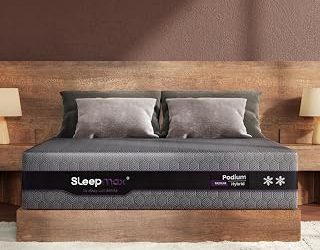
A hybrid alternative for side sleepers who want pressure relief without the sink-in sensation of all-foam beds, thanks to a pocketed coil core with quilted foam above. The 365-night trial gives you a full seasonal cycle to judge it, and the Sleepmax 14-inch hybrid covers similar ground at a lower price point if budget is the deciding factor.
Frequently Asked Questions
Is medium or soft better for side sleepers?
Medium suits the majority. Soft can work for lighter sleepers under about 130 lbs, but heavier bodies tend to sink past the support layer and lose lumbar contact, which reintroduces the pain the softness was meant to solve.
Can a topper replace a new mattress?
Only if the base is still supportive. A 3-inch Tempur topper transforms a too-firm surface, but it can’t compensate for sagging, broken coils, or a visible body impression — those are structural failures.
Do memory foam mattresses sleep hot?
Traditional formulations do. Current Tempur-Pedic cooling covers and more open cell structures have narrowed the gap considerably, though hybrids still move air more freely if you run warm year-round.
How long is the break-in period?
Expect two to four weeks. The foam softens as it acclimates to your body temperature and weight, so avoid making a return decision in the first fortnight.
Final Thoughts
For most side sleepers, the TEMPUR-Adapt 2.0 Medium 11-inch in queen is the straightforward choice — correct comfort depth, sensible height, and a feel that suits the position without guesswork. If your existing bed is sound but unforgiving, the TEMPUR-Adapt + Cooling 3-Inch Topper delivers most of the benefit for a fraction of the outlay, while the DreamCloud 12-inch hybrid is the pick if you’d rather sleep on coils than in foam.