Key takeaways
- Firmness: Aim for medium to medium-firm. Side sleepers need enough give in the top few inches for the shoulder to nest, so avoid anything marketed as firm or extra firm unless you’re above roughly 230 pounds, where a medium-firm reads softer.
- Comfort layer depth: Look for at least 3 to 4 inches of memory foam or a plush pillow top above the support core. A 14 to 16 inch profile usually signals that depth; a thin comfort layer over firm foam will push back at the hip.
- Zoned support: Five- and seven-zone designs soften under the shoulders and firm up under the lumbar region. For side sleepers this is the single most useful feature on a spec sheet, because it targets spinal alignment rather than overall plushness.
- Heat management: Deep foam cradles trap warmth. Gel infusions, graphene or copper-treated covers, and coil-based hybrids that keep air moving all help. Hybrids generally sleep cooler than all-foam builds.
- Trial length and certifications: Side sleeping takes two to four weeks to adapt to a new surface, so a 100-night minimum is essential and a 365-night trial is better. CertiPUR-US certification and fiberglass-free construction are baseline expectations now, not premiums.
What's inside
Side sleeping puts the whole weight of your shoulder and hip into a few square inches of surface, and most king mattresses aren’t built for that math. Too firm, and those pressure points get pushed back until your spine bends out of neutral and you wake up with a numb arm. Too soft, and you sink into a hammock that leaves your lower back unsupported by morning. The sweet spot is narrower than the marketing suggests: a surface that yields at the shoulder and hip while still holding the waist and lumbar curve level.
King buyers face an extra wrinkle. At 76 inches wide, edge support and motion isolation matter more, and a compressed bed-in-a-box has to expand into a genuinely large footprint without soft spots or a sagging center third. This guide covers six king mattresses worth considering in 2026 for side sleepers, what to look for in construction and feel, and which ones earn their keep for shoulder and hip relief.
As an Amazon Associate we earn from qualifying purchases.


How to Choose a King Mattress For Side Sleepers (2026)
- Firmness: Aim for medium to medium-firm. Side sleepers need enough give in the top few inches for the shoulder to nest, so avoid anything marketed as firm or extra firm unless you’re above roughly 230 pounds, where a medium-firm reads softer.
- Comfort layer depth: Look for at least 3 to 4 inches of memory foam or a plush pillow top above the support core. A 14 to 16 inch profile usually signals that depth; a thin comfort layer over firm foam will push back at the hip.
- Zoned support: Five- and seven-zone designs soften under the shoulders and firm up under the lumbar region. For side sleepers this is the single most useful feature on a spec sheet, because it targets spinal alignment rather than overall plushness.
- Heat management: Deep foam cradles trap warmth. Gel infusions, graphene or copper-treated covers, and coil-based hybrids that keep air moving all help. Hybrids generally sleep cooler than all-foam builds.
- Trial length and certifications: Side sleeping takes two to four weeks to adapt to a new surface, so a 100-night minimum is essential and a 365-night trial is better. CertiPUR-US certification and fiberglass-free construction are baseline expectations now, not premiums.
The Best King Mattress For Side Sleepers (2026)s Reviewed
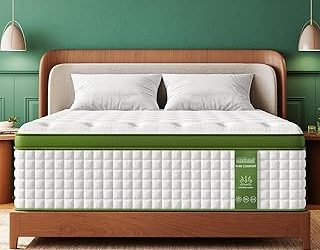
Sweetnight CoolNest 14 Inch King
The five-zone ergonomic layout is the reason this one belongs on a side sleeper’s shortlist: the shoulder zone releases noticeably while the midsection holds firm, which keeps the spine straight rather than S-curved. The medium feel and breathable cooling foam make it a sensible pick for anyone who has found all-foam beds too warm in the past.
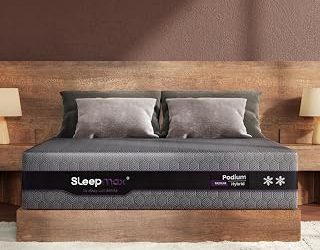
Sleepmax 14 Inch Cooling Hybrid King
A coil core under a cooling comfort layer gives this hybrid better airflow and stronger edge support than comparable foam-only beds, which matters across a king’s width. The 365-night trial and fiberglass-free build make it a low-risk choice for combination sleepers who shift between side and back.
Nectar 12″ Memory Foam King
Nectar’s classic all-foam build is a slow, contouring medium-firm that excels at motion isolation, so a partner’s movement stays on their half of the bed. Lighter side sleepers get excellent pressure relief here, though heavier sleepers may prefer more support underneath.
Nectar 12″ Hybrid King
The hybrid version trades a little of the sink-in feel for coil responsiveness, cooler sleep, and firmer perimeter support, making it the better Nectar for larger bodies and anyone who runs hot. Same medium-firm target and same year-long trial window to test it properly.
EGOHOME 14 Inch Copper Gel King
Copper gel infusion and a graphene-cooled cover attack the two chronic complaints about deep memory foam, heat and stagnation, while the medium-firm core is tuned toward back and hip relief. Its ICA endorsement and strong motion isolation make it a considered pick for side sleepers managing chronic pain.
Frequently Asked Questions
What firmness is best for side sleepers?
Medium to medium-firm, roughly 5 to 6.5 on a 10-point scale. Body weight shifts that target: lighter sleepers usually want the softer end so the shoulder can sink, while heavier sleepers need medium-firm to avoid bottoming out.
Memory foam or hybrid for side sleeping?
Memory foam contours more closely and isolates motion better. Hybrids sleep cooler, respond faster when you change position, and hold their edges better, which is worth more on a king than on a smaller size.
Does mattress thickness matter?
Yes, indirectly. Thickness of the comfort layer is what counts, and a 14 to 16 inch profile usually means there’s enough of it to cradle a shoulder. Ultra-thin mattresses rarely have the depth side sleepers need.
How long before it feels right?
Give it two to four weeks. Your body needs time to unlearn the old mattress’s sag, and new foam softens slightly as it breaks in, which is exactly why long trial periods are worth prioritizing.
Final Thoughts
For most side sleepers shopping a king in 2026, the Sweetnight CoolNest 14 Inch is the most targeted choice thanks to its five-zone shoulder relief, while the Sleepmax 14 Inch Hybrid is the stronger option if you sleep hot or want coil-backed edge support across the full width. If you want deep contouring with proven motion isolation, the Nectar 12″ Memory Foam remains a dependable pick with a full year to decide.