Key takeaways
- Comfort layer depth: Side sleepers need roughly three to four inches of soft material above the support core so the shoulder can sink without bottoming out. A 10 inch mattress can work for lighter frames; heavier or broader-shouldered sleepers generally do better at 13 inches and up.
- Hybrid versus all-foam: Pocketed coils give you contouring plus a bit of lift, which makes moving around easier and keeps the edges usable. All-foam beds sink more deeply and quietly, ideal if you rarely change position or share a bed with a restless partner.
- Heat management: Soft foam traps warmth by design because more of your body is buried in it. Look for gel infusion, an open-cell structure, or a quilted cover with real airflow rather than a cooling claim on the box alone.
- Edge support: Side sleepers migrate toward the perimeter. Reinforced coils around the border stop the collapse-and-roll feeling and protect the mattress silhouette in low-profile platform beds.
- Trial length and certification: Your body needs three to four weeks to adapt to a new surface, so a 100-night window is the sensible floor and a 365-night trial is better. CertiPUR-US certification confirms the foams meet limits on emissions and content.
What's inside
Side sleeping is the most popular position in the world and the most demanding on a mattress. Your shoulder and hip carry the bulk of your body weight into a narrow contact patch, so a surface that doesn’t yield in those two places pushes back all night. That’s how people end up with a numb arm at 3 a.m., a stiff lower back at 7, and a nagging suspicion that the problem is their pillow. Usually it isn’t. The complication is that “plush” has become a marketing word rather than a measurement, covering everything from a genuinely cradling pillow top to a firm coil unit with a thin comfort layer stapled on top.
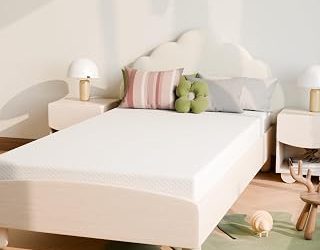
This guide looks at plush mattresses through a design lens as much as a sleep one: how the surface actually behaves under a shoulder, whether the perimeter holds its shape in a bed frame with a low rail, and how the profile reads in a room. Below you’ll find the models worth shortlisting in 2026, a short framework for choosing between foam and hybrid builds, and answers to the questions that come up most often once a box is on the doorstep.
As an Amazon Associate we earn from qualifying purchases.


How to Choose a Plush Mattress For Side Sleepers (2026)
- Comfort layer depth: Side sleepers need roughly three to four inches of soft material above the support core so the shoulder can sink without bottoming out. A 10 inch mattress can work for lighter frames; heavier or broader-shouldered sleepers generally do better at 13 inches and up.
- Hybrid versus all-foam: Pocketed coils give you contouring plus a bit of lift, which makes moving around easier and keeps the edges usable. All-foam beds sink more deeply and quietly, ideal if you rarely change position or share a bed with a restless partner.
- Heat management: Soft foam traps warmth by design because more of your body is buried in it. Look for gel infusion, an open-cell structure, or a quilted cover with real airflow rather than a cooling claim on the box alone.
- Edge support: Side sleepers migrate toward the perimeter. Reinforced coils around the border stop the collapse-and-roll feeling and protect the mattress silhouette in low-profile platform beds.
- Trial length and certification: Your body needs three to four weeks to adapt to a new surface, so a 100-night window is the sensible floor and a 365-night trial is better. CertiPUR-US certification confirms the foams meet limits on emissions and content.
The Best Plush Mattress For Side Sleepers (2026)s Reviewed
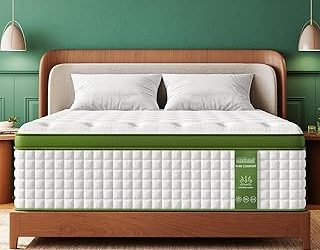
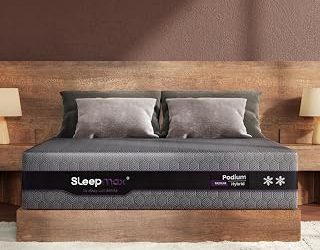
Sleepmax Plush 14 Inch Cooling Hybrid
The 14 inch build gives this one an unusually generous soft layer over pocketed springs, which is exactly the recipe for shoulder relief without losing spinal alignment. The 365-night trial and lifetime warranty make it a low-risk pick if you’re switching from a firm bed and unsure how soft you actually want to go.
Serta Perfect Sleeper X-Max 15″ Plush Pillow Top Hybrid
At 15 inches with a quilted pillow top, this is the most luxurious surface here and the one that reads best in a styled bedroom, filling a tall frame properly instead of floating inside it. The cooling treatment and edge support address the two usual complaints about deep pillow tops.
Serta Perfect Sleeper Ultimate 13.25″ Plush
A more restrained profile with the same reinforced perimeter, this suits couples where one person sleeps on their side and the other doesn’t want to feel swallowed. Made in the USA with global components and backed by a 10 year warranty, it’s the conservative choice in the lineup.
Novilla Bliss 14 Inch Gel Memory Foam
Zoned support is the reason to consider this one: the foam is tuned softer at the shoulders and firmer under the hips, which keeps your spine level rather than curved. Motion transfer is close to nonexistent, so it’s a strong all-foam option for light sleepers.
Soft Plush 12 Inch Hybrid Mattress in a Box
Pocketed springs paired with gel memory foam at a friendly price point, aimed squarely at pressure relief rather than all-purpose firmness. A sensible guest room or first-apartment mattress, and the 365-night trial covers you if 12 inches turns out to be thinner than you need.
Frequently Asked Questions
Is a plush mattress bad for back pain?
Not for side sleepers. Back pain from a soft mattress usually comes from too little support underneath, not too much cushioning on top. A plush comfort layer over a firm coil or high-density foam core keeps your spine neutral while letting your hip settle.
How long does a new mattress take to break in?
Expect two to four weeks. The foams soften slightly and your body recalibrates from the old surface, so early impressions are unreliable. Give it a month before judging.
Do plush mattresses sag faster?
Soft layers show body impressions sooner, but genuine sagging is a support core problem. Density specs and warranty terms tell you more than firmness ratings do. Rotating the mattress every few months helps either way.
What foundation works best?
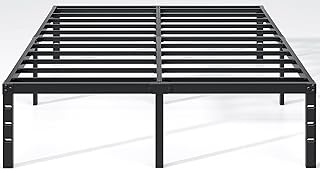
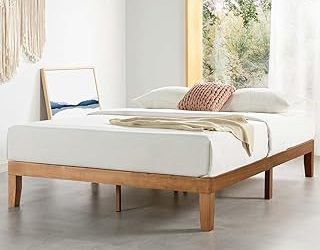
A slatted platform with gaps under three inches, or a solid base. Wide slats let soft foam dip between them and create uneven feel over time.
Final Thoughts
For most side sleepers, the Sleepmax Plush 14 Inch Cooling Hybrid is the smartest starting point thanks to its deep comfort layer and year-long trial. If you want a more finished, hotel-grade surface, step up to the Serta Perfect Sleeper X-Max 15″ Plush Pillow Top Hybrid, and if you prefer the quiet, enveloping feel of all-foam, the Novilla Bliss 14 Inch delivers zoned relief at a gentler price.