Key takeaways
- Target medium-firm to firm: Aim for roughly 6.5 to 8 on the ten-point scale. This band gives the shoulder enough give for side sleeping while keeping the hips lifted when you roll onto your stomach — the single most important variable for combination sleepers with lumbar pain.
- Prioritise zoned lumbar reinforcement: Look for coil systems or foam cores that are firmer through the centre panel and softer at the shoulders. Zoning does the work that uniform firmness cannot, adapting support to where your body actually needs it rather than treating the whole surface the same.
- Keep the comfort layer shallow: Two to three inches of foam over a strong core is the sweet spot. Deeper pillow tops feel inviting in a showroom but let stomach sleepers settle too far, tipping the pelvis forward and undoing any support underneath.
- Choose responsive over slow-sinking: Combination sleepers change position several times a night. Pocketed coils and higher-density foams spring back quickly, so you are not fighting a body impression every time you turn. Slow-recovery memory foam tends to trap you mid-transition.
- Verify the trial window and certifications: Back pain takes three to four weeks to respond to a new surface, so a 365-night trial is genuinely useful rather than marketing garnish. CertiPUR-US certification and fiberglass-free construction should be treated as baseline requirements.
What's inside
Combination sleepers who drift between their side and their stomach are handed contradictory advice at every turn. Side sleeping asks a mattress to yield — the shoulder and hip need somewhere to sink so the spine stays level. Stomach sleeping asks the opposite: a surface that pushes back hard enough to stop the pelvis from dropping into a hammock and cranking the lumbar curve past comfort. Add existing back pain to the equation and the margin for error narrows considerably. Too plush and you wake up with a tight lower back. Too rigid and your shoulder aches by 3 a.m.
The mattresses that solve this are built around a specific idea: a shallow, responsive comfort layer sitting on top of a genuinely supportive core, often with reinforced zoning through the middle third. This guide breaks down what that construction looks like in practice, what firmness range actually works for dual-position sleepers, and which models from 2026 deliver it. Each pick below has been chosen for spinal alignment across both positions rather than plushness alone.
As an Amazon Associate we earn from qualifying purchases.




How to Choose a Mattress For Side And Stomach Sleepers With Back Pain (2026)
- Target medium-firm to firm: Aim for roughly 6.5 to 8 on the ten-point scale. This band gives the shoulder enough give for side sleeping while keeping the hips lifted when you roll onto your stomach — the single most important variable for combination sleepers with lumbar pain.
- Prioritise zoned lumbar reinforcement: Look for coil systems or foam cores that are firmer through the centre panel and softer at the shoulders. Zoning does the work that uniform firmness cannot, adapting support to where your body actually needs it rather than treating the whole surface the same.
- Keep the comfort layer shallow: Two to three inches of foam over a strong core is the sweet spot. Deeper pillow tops feel inviting in a showroom but let stomach sleepers settle too far, tipping the pelvis forward and undoing any support underneath.
- Choose responsive over slow-sinking: Combination sleepers change position several times a night. Pocketed coils and higher-density foams spring back quickly, so you are not fighting a body impression every time you turn. Slow-recovery memory foam tends to trap you mid-transition.
- Verify the trial window and certifications: Back pain takes three to four weeks to respond to a new surface, so a 365-night trial is genuinely useful rather than marketing garnish. CertiPUR-US certification and fiberglass-free construction should be treated as baseline requirements.
The Best Mattress For Side And Stomach Sleepers With Back Pain (2026)s Reviewed
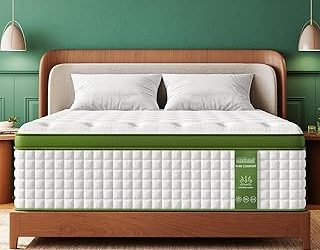
BedStory Firm 13 Inch Hybrid Queen
This is the most decisive pick here for sleepers whose pain flares from stomach sleeping, pairing a firm hotel-style build with zoned lumbar support that keeps the pelvis genuinely level. The 13-inch profile stays taut under the hips while offering just enough surface compliance for side-lying shoulders, and the 365-night trial plus ten-year warranty removes most of the risk from committing.
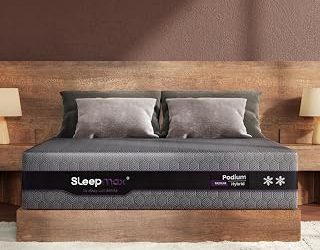
Sleepmax 14 Inch Hybrid Queen
Sleepmax lands closer to true medium-firm, which makes it the more forgiving option if your side sleeping outweighs your stomach sleeping. The pressure-relieving comfort layers work well across broad shoulders and hips, while the coil unit underneath holds the lumbar line, and the cooling cover addresses the heat build-up that plagues taller hybrids.
BedStory 14 Inch Firm Queen
Essentially the reinforced sibling of the 13-inch model, this one adds height and a slightly more substantial support core — a sensible choice for heavier sleepers or anyone who has found firm mattresses soften prematurely. Made in the USA and CertiPUR-US certified, it holds its structure through the middle panel where sagging usually starts.
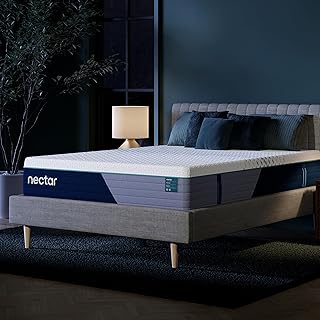
Nectar Premier 13″ Hybrid
The Premier is the most refined-feeling mattress on this list, balancing a medium-firm surface with the kind of edge stability and motion control that suits shared beds. It is the pick for sleepers who want back-friendly support without the noticeably stiff first impression that firmer hybrids deliver, and the year-long trial is the most generous available.
EGOHOME 14 Inch Copper Gel Memory Foam Queen
For those who prefer foam’s contouring quiet over coil bounce, EGOHOME manages a medium-firm feel that resists the deep sinkage most all-foam beds fall into. Copper gel infusion and the graphene cool-tech cover keep surface temperature in check, and motion isolation is excellent — a strong option for light sleepers sharing a bed.
Frequently Asked Questions
Is a firm mattress always better for back pain?
No. Research consistently favours medium-firm over extra-firm for chronic lower back pain, because a surface that is too rigid leaves gaps under the lumbar curve and concentrates pressure at the shoulders and hips. Firm helps stomach sleepers specifically; beyond that it offers diminishing returns.
How should I set up my pillow if I sleep both ways?
Use a low-loft pillow, or shift a medium-loft one aside as you roll onto your stomach. A thick pillow that suits side sleeping will hyperextend your neck face-down, which frequently shows up as upper back and shoulder tension rather than obvious neck pain.
Will a mattress topper fix an unsupportive bed?
A topper can adjust surface feel but cannot add support to a sagging core. If your current mattress dips visibly under the hips, a topper will follow that dip. Replacement is the honest answer in that situation.
How long before I know if a mattress is working?
Give it at least three to four weeks. Your body adapts to whatever surface it has been using, and a temporary uptick in stiffness during the first fortnight is normal rather than a verdict. This is exactly why extended trial periods matter.
Final Thoughts
For most combination sleepers managing back pain, the BedStory Firm 13 Inch Hybrid is the sharpest choice — its zoned lumbar support handles the stomach-sleeping problem that derails most mattresses in this category. Side-dominant sleepers will find the Sleepmax 14 Inch more accommodating through the shoulders without giving up spinal support, while the Nectar Premier Hybrid earns its place for anyone who wants a more polished, hotel-quiet feel and the longest trial window on the list.