Key takeaways
- Profile height: Measure from floor to the top of your mattress and aim for roughly 24 to 25 inches of total sitting height. A 2-inch bunkie board keeps low-slung frames looking intentional; 8- and 9-inch foundations rebuild the height that a slim modern mattress loses.
- Load rating: Latex and thick hybrids can exceed 100 pounds before anyone lies down. Look for a stated capacity of 3,000 pounds or more, which signals steel gauge and cross-bracing rather than marketing enthusiasm.
- Slat spacing and coverage: Foam mattresses need gaps under 3 inches to avoid bulging between supports. Most warranties are voided by inadequate support, so check the manufacturer’s spec before you buy.
- Noise engineering: Squeaks come from unwelded joints and unpadded metal-on-metal contact. Fabric-wrapped frames and Amish-style wood boxes both address this, though wood tends to stay quieter over the long run.
- Assembly and access: Split two-piece and fold-flat designs clear tight stairwells and apartment doorways. Tool-free systems typically go together in under fifteen minutes; fully assembled units skip the step entirely but need a clear path in.
What's inside
A mattress is only as good as what sits beneath it. Most people discover this the hard way: a new hybrid or memory foam bed starts dipping at the edges within a year, the frame develops a metallic tick every time someone shifts, or the whole sleeping surface floats so high that the bed dominates a room it was supposed to anchor. The culprit is almost never the mattress. It’s a foundation that was never rated for the load above it, or one whose height was chosen by accident rather than by design.
This guide looks at box springs the way a stylist looks at a plinth: as a structural decision with visual consequences. We cover the profiles that matter in 2026, from 2-inch bunkie boards that slip into low platform beds to full 8- and 9-inch foundations that restore traditional bed height, along with weight ratings, assembly reality, and how each option behaves under a heavy mattress over time. Below are the models that consistently earn their keep.
As an Amazon Associate we earn from qualifying purchases.


How to Choose a Rated Box Spring (2026)
- Profile height: Measure from floor to the top of your mattress and aim for roughly 24 to 25 inches of total sitting height. A 2-inch bunkie board keeps low-slung frames looking intentional; 8- and 9-inch foundations rebuild the height that a slim modern mattress loses.
- Load rating: Latex and thick hybrids can exceed 100 pounds before anyone lies down. Look for a stated capacity of 3,000 pounds or more, which signals steel gauge and cross-bracing rather than marketing enthusiasm.
- Slat spacing and coverage: Foam mattresses need gaps under 3 inches to avoid bulging between supports. Most warranties are voided by inadequate support, so check the manufacturer’s spec before you buy.
- Noise engineering: Squeaks come from unwelded joints and unpadded metal-on-metal contact. Fabric-wrapped frames and Amish-style wood boxes both address this, though wood tends to stay quieter over the long run.
- Assembly and access: Split two-piece and fold-flat designs clear tight stairwells and apartment doorways. Tool-free systems typically go together in under fifteen minutes; fully assembled units skip the step entirely but need a clear path in.
The Best Rated Box Springs (2026) Reviewed
Amazon Basics Smart Box Spring, 5-Inch, Full
The most sensible default in the category: a 5-inch steel base that lands at a middle height suiting both traditional frames and standalone use. Tool-free assembly and a clean fabric wrap make it a low-drama choice for guest rooms and rentals.
EMODA 5 Inch Box Spring, Queen
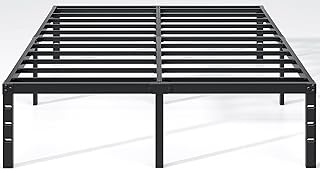
Rated to 3,000 pounds with a non-slip surface and a tailored black cover, this is the pick for anyone pairing a heavy hybrid with a minimalist frame. The reinforced steel grid holds its geometry under sustained weight far better than lightweight budget bases.
MAF 2 Inch Queen Bunkie Board
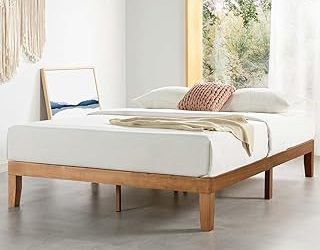
A wood-slat bunkie board with rounded corners, built for platform and storage beds where every extra inch reads as bulk. At a 3,500-pound rating it functions as genuine slat replacement, not just a spacer, and it preserves the low silhouette designers keep asking for.
XINXINYAN Twin Box Spring, 9 Inch
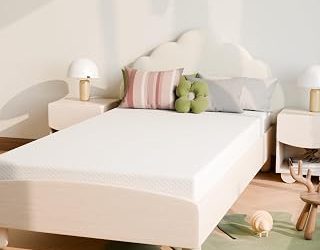
The tallest option here, and the right answer when a slim mattress leaves a bed frame looking undersized. High load capacity, included tools, and a fabric cover that hides the structure make it a strong fit for kids’ rooms and daybeds that double as seating.
Greaton 8-Inch Wood Foundation, Queen
Amish-made in the USA, fully assembled, and split into two pieces for stairs and narrow halls. Solid wood construction gives it the quietest long-term performance of the group, which matters most in shared and light-sleeping households.
Frequently Asked Questions
Does a memory foam mattress need a box spring?
It needs continuous, rigid support rather than a traditional coil box spring. A slatted foundation or bunkie board with narrow gaps satisfies most warranties; sagging wire-grid bases do not.
What is the difference between a bunkie board and a box spring?
A bunkie board is a 1.5- to 3-inch rigid support panel that adds no meaningful height. A box spring is 5 to 9 inches tall and raises the sleeping surface. Choose by the height you want, not the label.
Can I use a box spring on a slatted platform bed?
Usually not, and you rarely need to. Platform beds already provide support; adding a full-height foundation pushes the mattress uncomfortably high. A 2-inch bunkie board is the correct fix if the existing slats are too widely spaced.
How long should a box spring last?
Eight to ten years for a well-built steel or solid wood unit. Replace it sooner if you see visible sag, hear new noise, or notice the mattress wearing unevenly.
Final Thoughts
For most bedrooms, the EMODA 5-inch queen strikes the cleanest balance of load capacity, silence, and proportion. Choose the Greaton 8-inch wood foundation if quiet and longevity outrank everything else, or the MAF 2-inch bunkie board when the design brief calls for a low, grounded bed that still supports a modern mattress properly.