Key takeaways
- Height over hype: Aim for 12 to 14 inches. That extra depth is where the transition and base layers live, and those layers do the real work of keeping your hips from bottoming out onto the foundation.
- Support core construction: High-density polyfoam bases and pocketed coil units both work, but hybrids generally recover their shape faster under sustained pressure. If you sleep with a partner and your combined weight exceeds 400 pounds, lean hybrid.
- Firmness that reads “extra,” not “medium”: A medium-firm mattress compresses further under heavier bodies, so it will feel softer to you than the marketing suggests. Sizing up one step on the firmness scale is usually the right correction.
- Heat management: Deeper compression means more of your body is surrounded by foam. Gel infusions, ventilated cores, and open-cell structures are worth prioritizing rather than treating as a bonus feature.
- Trial length and certifications: Sagging under weight rarely shows up in the first month. A 100-night minimum is acceptable; 365 nights is better. CertiPUR-US and fiberglass-free construction should be non-negotiable.
What's inside
Shopping for a mattress when you weigh more than the industry’s imaginary “average sleeper” is an exercise in decoding vague language. Brands love the word supportive, but almost none of them tell you the foam density, the coil gauge, or the weight threshold where their comfort layer stops holding its shape. The result is predictable: a bed that feels excellent in week one, develops a hip-shaped valley by month eight, and leaves you waking up with a lower back that feels compressed rather than rested. Edge collapse follows, then the slow slide toward sleeping in the middle because the perimeter no longer trusts you.
This guide approaches the problem from a furniture-and-interiors perspective as much as a sleep one: a bed is the largest object in most bedrooms, and it should hold its silhouette for years, not sag into something that reads as tired. Below are six mattresses that pair genuine firmness with durable construction, plus a short framework for evaluating specs that actually predict longevity under higher body weight. Every pick here is available in a box, which matters if you have narrow stairs or a tight landing.
As an Amazon Associate we earn from qualifying purchases.


How to Choose a/an Firm Mattress For Heavy People (2026)
- Height over hype: Aim for 12 to 14 inches. That extra depth is where the transition and base layers live, and those layers do the real work of keeping your hips from bottoming out onto the foundation.
- Support core construction: High-density polyfoam bases and pocketed coil units both work, but hybrids generally recover their shape faster under sustained pressure. If you sleep with a partner and your combined weight exceeds 400 pounds, lean hybrid.
- Firmness that reads “extra,” not “medium”: A medium-firm mattress compresses further under heavier bodies, so it will feel softer to you than the marketing suggests. Sizing up one step on the firmness scale is usually the right correction.
- Heat management: Deeper compression means more of your body is surrounded by foam. Gel infusions, ventilated cores, and open-cell structures are worth prioritizing rather than treating as a bonus feature.
- Trial length and certifications: Sagging under weight rarely shows up in the first month. A 100-night minimum is acceptable; 365 nights is better. CertiPUR-US and fiberglass-free construction should be non-negotiable.
The Best Firm Mattress For Heavy People (2026)s Reviewed
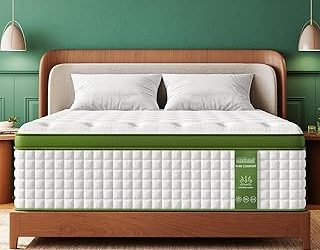
BedStory Extra Firm 14″ Hybrid
This is the most focused pick on the list for higher body weights: a genuinely extra-firm hybrid built around lumbar and hip reinforcement, with a no-sag claim backed by a full year of trial nights. Fiberglass-free construction and a low-odor unboxing make it an easy recommendation for a primary bedroom you actually want to spend time in.
SLEEP100 14″ Extra Firm Memory Foam
An all-foam option that doesn’t apologize for being stiff, with a gel-infused ventilated core aimed at spine alignment rather than that sink-in sensation. Best suited to back and stomach sleepers who want firm pushback and a clean, low-profile look without visible coil edges.
Sweetnight CoolNest 14″
The five-zone layout is the differentiator here, firming up beneath the midsection while easing off at the shoulders, which keeps a medium feel from turning into a hammock. Breathability is well handled, making it a solid choice for warm sleepers who don’t want maximum rigidity.
Sealy Dreamlife 14″ Foam
Sealy’s gel memory foam over a dedicated transition layer gives this one a more measured, gradual response than most boxed foam beds at this depth. The brand pedigree is meaningful when you’re betting on years of consistent support rather than first-night impressions.
DreamCloud 12″ Hybrid
A coil-and-foam build with a luxury finish and a 365-night trial, which is exactly the kind of runway you want when evaluating how a bed holds up under load. Slightly shallower than others here, so it suits lighter-to-mid heavy sleepers or guest rooms best.
Frequently Asked Questions
Is firmer always better for heavier sleepers?
Not always, but usually. The goal is neutral spinal alignment, and heavier bodies compress foam further, so a firmer surface often lands where a medium would for a lighter sleeper. Side sleepers should stop short of the very firmest options to avoid shoulder pressure.
Do I need a specific foundation?
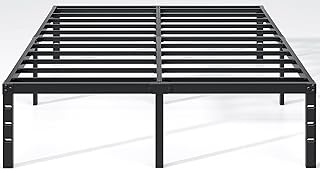
Yes. Slats should sit no more than three inches apart, and platform beds should have a center support leg. Inadequate foundations cause more premature sagging than the mattress itself.
How long should a mattress last under higher body weight?
Expect six to eight years from a well-built hybrid or high-density foam bed, versus ten for average-weight use. Rotating it every three months meaningfully extends that window.
Are hybrids worth the extra cost?
Generally, yes. Pocketed coils resist long-term compression better than foam alone and improve edge support, which is where heavier sleepers notice failure first.
Final Thoughts
If you want the safest bet, the BedStory Extra Firm 14″ Hybrid pairs serious lumbar reinforcement with a year-long trial, which is the combination that actually protects your investment. The SLEEP100 14″ Extra Firm is the pick for foam loyalists who want maximum pushback, while the Sweetnight CoolNest 14″ is the smarter choice if you run hot and prefer a slightly more forgiving surface.