Key takeaways
- Total height, and where it goes: Look for 12 to 14 inches, with the majority of that in the support core rather than the comfort layer. A 14-inch bed with 4 inches of soft foam on top will bottom out faster than one with 3 inches of comfort foam over a deep, firm base.
- Density over marketing feel: Comfort foam at 4 lb/ft³ or higher and a base around 1.8 lb/ft³ resists the long-term compression that causes sagging. If density isn’t published, treat firmness ratings and warranty sag thresholds as your proxy.
- Zoned support: Targeted or five-zone constructions firm up the lumbar and hip region while staying softer at the shoulders. For heavier sleepers, this is the difference between alignment and a pressure dip where your weight concentrates.
- Cooling that’s structural, not sprayed on: Gel and copper infusions help, but breathable cover fabrics — cool-touch nylon, graphene-treated knits — and open-cell or ventilated foam layers move heat more reliably than surface treatments alone.
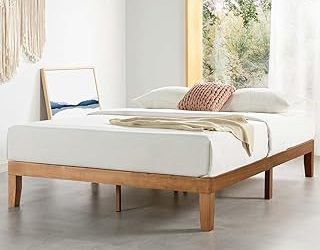
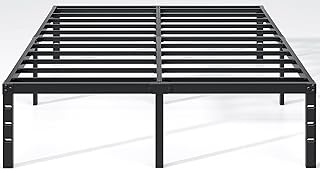
- The foundation underneath: Slats spaced wider than 3 inches will let any foam mattress bow under concentrated weight. Use a solid platform, a bunkie board, or a center-supported frame, and confirm the warranty doesn’t exclude your setup.
What's inside
Supporting a heavier body is the one job budget mattresses quietly fail at. A bed can feel plush in the first week, then develop a shallow trough under the hips by month three, because the foam underneath was never dense enough to push back. Add the heat problem — more body contact means more trapped warmth in a material that already insulates — and shopping for an all-foam bed above 230 pounds starts to feel like choosing between sinking and sweating.
This guide looks at 14-inch memory foam mattresses through the lens of what actually holds up under load: base foam thickness, zoned or reinforced support layers, cover breathability, and certification you can verify. Every pick below is a king-size, CertiPUR-US certified bed-in-a-box, chosen because it pairs meaningful contouring with a support core substantial enough to keep your spine level rather than cradled into a hammock.
As an Amazon Associate we earn from qualifying purchases.


How to Choose a Memory Foam Mattress For Heavy Person (2026)
- Total height, and where it goes: Look for 12 to 14 inches, with the majority of that in the support core rather than the comfort layer. A 14-inch bed with 4 inches of soft foam on top will bottom out faster than one with 3 inches of comfort foam over a deep, firm base.
- Density over marketing feel: Comfort foam at 4 lb/ft³ or higher and a base around 1.8 lb/ft³ resists the long-term compression that causes sagging. If density isn’t published, treat firmness ratings and warranty sag thresholds as your proxy.
- Zoned support: Targeted or five-zone constructions firm up the lumbar and hip region while staying softer at the shoulders. For heavier sleepers, this is the difference between alignment and a pressure dip where your weight concentrates.
- Cooling that’s structural, not sprayed on: Gel and copper infusions help, but breathable cover fabrics — cool-touch nylon, graphene-treated knits — and open-cell or ventilated foam layers move heat more reliably than surface treatments alone.
- The foundation underneath: Slats spaced wider than 3 inches will let any foam mattress bow under concentrated weight. Use a solid platform, a bunkie board, or a center-supported frame, and confirm the warranty doesn’t exclude your setup.
The Best Memory Foam Mattress For Heavy Person (2026)s Reviewed
EGOHOME 14″ Copper Gel Memory Foam
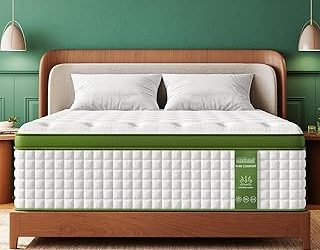
The most support-forward pick here: a medium-firm build that pairs copper-gel infused memory foam with a graphene-treated cover, so contouring happens without the trapped-heat penalty. Its ICA endorsement and fiberglass-free construction make it the easiest recommendation for heavier back and side sleepers dealing with lumbar pain.
Novilla 14″ Gel Memory Foam
A clean, no-frills gel foam build that leans slightly firmer than its plush surface suggests, which is exactly what you want at higher body weights. Motion isolation is genuinely strong, making it a smart choice for couples with a significant weight difference between partners.
Novilla Bliss 14″
The zoned version of Novilla’s formula, with firmer foam mapped to the hip and lumbar region and softer response at the shoulders. If your main complaint is waking up with lower-back stiffness, this targeted layout addresses the cause rather than masking it with extra padding.
Novilla Bliss Cooling 14″
Same zoned support skeleton as the standard Bliss, upgraded with a cool-touch nylon cover that feels noticeably cooler on contact. Worth the step up if you sleep hot, run a warm bedroom, or share the bed year-round.
Sweetnight CoolNest 14″
A five-zone ergonomic core with enhanced airflow through the foam layers, tuned to a true medium feel. It’s the most balanced option for combination sleepers who change positions often and want easier movement than a deep-hug memory foam typically allows.
Frequently Asked Questions
Is memory foam suitable above 300 pounds?
Yes, provided the bed is at least 12 inches thick with a dense support core and a firmer surface. Below that, hybrids with reinforced coil edges often hold their shape longer, particularly for two heavier sleepers sharing a king.
How firm should I go?
Medium-firm to firm. Body weight compresses foam further than the labeled feel suggests, so a mattress rated medium-firm frequently reads as medium once you’re on it.
How long is the break-in period?
Allow 48 to 72 hours for full expansion after unboxing and up to three weeks for your body to adjust. Off-gassing odor from CertiPUR-US certified foam typically clears within a few days of ventilation.
Will edge support be a problem?
All-foam beds compress more at the perimeter than hybrids do. Sitting on the edge to dress is where you’ll notice it most, so choose a firmer model or a hybrid if that’s part of your routine.
Final Thoughts
For most heavier sleepers, the EGOHOME 14″ Copper Gel is the strongest all-around choice, combining medium-firm support with the best cooling engineering in this group. The Novilla Bliss Cooling is the value pick if zoned lumbar support and a cool-touch surface matter most, while the Sweetnight CoolNest suits combination sleepers who want responsive movement over deep contouring.