Key takeaways
- Confirm twin XL, not twin: Standard dorm beds run 80 inches long — five inches longer than a residential twin. A twin topper will leave your feet on bare vinyl, so verify your school’s housing specs before ordering.
- Match thickness to the mattress underneath: Two inches softens a mediocre mattress; three inches is what you want when the base is genuinely punishing. Beyond three, you start fighting bed rails and fitted sheets.
- Decide between foam and fiber fill: Gel memory foam contours and relieves pressure, which suits side sleepers and anyone with lower back complaints. Pillow-top fiber fill feels plusher and breathes more freely, but compresses faster over a school year.
- Take cooling claims seriously: Dorm rooms rarely have thermostat control. Look for gel infusion, open-cell structure, or ventilated foam rather than marketing language alone — trapped heat is the most common regret with budget toppers.
- Check the cover and the pocket depth: A removable, machine-washable cover is close to essential in shared housing. Deep-pocket skirts, ideally 18 to 20 inches, keep the topper from migrating every time you sit down.
What's inside
Dorm mattresses are built for turnover, not for sleep. Institutional twin XL slabs are thin, vinyl-wrapped, and firm in the way a gym bench is firm — engineered to survive a thousand move-in days rather than to cradle a body through finals week. Add the fact that most students arrive with bedding chosen for color rather than construction, and the result is predictable: pressure points at the hip and shoulder, heat that builds under the covers by 2 a.m., and a persistent sense that the bed is something to endure rather than sink into.
A topper is the single highest-leverage upgrade in a dorm room, and one of the few that fits in a car trunk. This guide breaks down what actually matters when you’re layering comfort onto a mattress you didn’t choose and can’t replace — foam density, cooling strategy, pocket depth, and the twin XL sizing quirk that trips up first-time buyers — then reviews the models worth your budget in 2026.
As an Amazon Associate we earn from qualifying purchases.


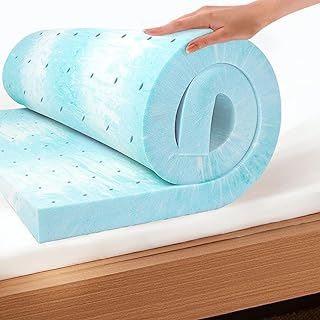


How to Choose a Mattress Topper For Dorm Bed (2026)
- Confirm twin XL, not twin: Standard dorm beds run 80 inches long — five inches longer than a residential twin. A twin topper will leave your feet on bare vinyl, so verify your school’s housing specs before ordering.
- Match thickness to the mattress underneath: Two inches softens a mediocre mattress; three inches is what you want when the base is genuinely punishing. Beyond three, you start fighting bed rails and fitted sheets.
- Decide between foam and fiber fill: Gel memory foam contours and relieves pressure, which suits side sleepers and anyone with lower back complaints. Pillow-top fiber fill feels plusher and breathes more freely, but compresses faster over a school year.
- Take cooling claims seriously: Dorm rooms rarely have thermostat control. Look for gel infusion, open-cell structure, or ventilated foam rather than marketing language alone — trapped heat is the most common regret with budget toppers.
- Check the cover and the pocket depth: A removable, machine-washable cover is close to essential in shared housing. Deep-pocket skirts, ideally 18 to 20 inches, keep the topper from migrating every time you sit down.
The Best Mattress Topper For Dorm Bed (2026)s Reviewed
ELEMUSE 3 Inch Dual Layer Memory Foam Topper
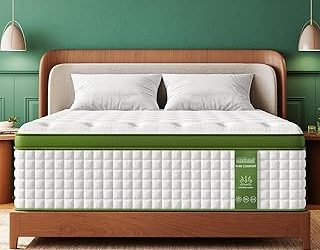
The two-tier build here is smart: two inches of cooling gel foam handles support and pressure distribution, while a one-inch quilted pillow top adds the softness that raw memory foam lacks. It’s the most complete answer to a hard dorm slab, and the layered approach means you get contouring without the sunken, slow-response feel.
Niagara Sleep Solution Ultra Soft & Cooling Topper
A fiber-fill pillow top rather than foam, wrapped in rayon derived from bamboo with a genuinely generous 20-inch deep pocket. Best suited to hot sleepers who find memory foam claustrophobic and want plush cushioning that stays cool, though it won’t deliver the same targeted pressure relief.
EGO 2 Inch Gel Memory Foam Topper
A lean, CertiPUR-US certified option in true twin dimensions at 75 by 38 inches — worth noting if your bed is a standard twin rather than XL. Two inches of gel-infused foam is enough to take the edge off a firm mattress without raising the sleep surface noticeably.
Linenspa 2 Inch Gel Infused Memory Foam Topper
The reliable value pick, and one of the few budget toppers with a long enough track record to trust. The plush feel arrives out of the box faster than most compressed foam, and at this price it’s a low-risk way to test whether you actually like memory foam.
ViscoSoft 3 Inch Ventilated Memory Foam Topper
The most considered piece of engineering in this group: high-density foam with ventilation channels for airflow, finished with a removable rayon cover that you can actually launder. Denser foam means it holds its shape across multiple academic years rather than developing a body impression by spring.
Frequently Asked Questions
Will a twin XL topper fit my dorm bed?
Almost certainly, since twin XL at 39 by 80 inches is the standard across US college housing. Check your residence life page to confirm, and if you’re in older or non-traditional housing, measure before ordering.
How long does a foam topper need to expand?
Most compressed foam reaches full loft within 24 to 48 hours. Unbox it on move-in day, let it breathe in a ventilated room, and any initial off-gassing odor should clear in that same window.
Can I use my regular fitted sheet over a topper?
A two-inch topper usually works with standard sheets. Three inches tends to demand deep-pocket sheets, ideally 15 inches or more, or your corners will pop loose nightly.
How do I keep a topper from sliding around?
Choose a model with an elasticized skirt or anchor straps, then secure the whole assembly with a snug fitted sheet. Vinyl-covered dorm mattresses are notoriously slick, so the skirt does most of the work.
Final Thoughts
For most students, the ELEMUSE 3 Inch Dual Layer topper is the strongest all-around choice — it addresses firmness, heat, and surface softness in one package. The ViscoSoft 3 Inch is the pick if you want durability that outlasts a single school year, and the Linenspa 2 Inch remains the smartest low-budget entry point when you need real improvement without overthinking it.