Key takeaways
- Support core first: Individually pocketed coils give you firmness that flexes locally, so your hip can sink slightly while your lumbar stays lifted. Continuous-coil innersprings feel stiffer overall; high-density foam cores read firm but softer at the edges.
- Comfort layer depth: A true pillowtop adds roughly one to three inches of cushioning. Under an inch and it disappears in a month; over four and the firm core stops doing its job. Aim for the middle if you’re a side sleeper who still wants firm.
- Zoning: Reinforced lumbar and softer shoulder zones are the difference between firm-and-comfortable and firm-and-achy. Look for language about targeted hip, shoulder, or lumbar support rather than a single uniform coil count.
- Heat management: Cushioning traps warmth. Gel infusions, bamboo charcoal, and breathable knit covers help, but an encased-coil hybrid will almost always run cooler than all-foam at the same thickness.
- Trial length and certification: Firm mattresses need three to four weeks to feel normal, so a 100-night minimum is the floor and a full-year trial is a real advantage. CertiPUR-US foam and fiberglass-free construction should be non-negotiable.
What's inside
Firm and plush aren’t supposed to live in the same bed, which is exactly why pillowtop shoppers get stuck. You want the flat, unwavering spine support that keeps you from waking up folded in half, but you also don’t want to lie down on something that feels like a gym floor. Most listings solve this by using both words at once, and the result is a category full of mattresses that are either too soft under the ribs or too punishing at the hips and shoulders.
This guide sorts the genuinely firm-with-cushioning builds from the marketing. We looked at coil systems and zoning, the depth and density of the comfort layer, how each bed handles heat, and whether the trial period is long enough to survive a real break-in season. Below are the picks worth a spot in a bedroom you actually care about, plus the specs that decide whether firm feels supportive or just hard.
As an Amazon Associate we earn from qualifying purchases.


How to Choose a Firm Mattress With Pillowtop (2026)
- Support core first: Individually pocketed coils give you firmness that flexes locally, so your hip can sink slightly while your lumbar stays lifted. Continuous-coil innersprings feel stiffer overall; high-density foam cores read firm but softer at the edges.
- Comfort layer depth: A true pillowtop adds roughly one to three inches of cushioning. Under an inch and it disappears in a month; over four and the firm core stops doing its job. Aim for the middle if you’re a side sleeper who still wants firm.
- Zoning: Reinforced lumbar and softer shoulder zones are the difference between firm-and-comfortable and firm-and-achy. Look for language about targeted hip, shoulder, or lumbar support rather than a single uniform coil count.
- Heat management: Cushioning traps warmth. Gel infusions, bamboo charcoal, and breathable knit covers help, but an encased-coil hybrid will almost always run cooler than all-foam at the same thickness.
- Trial length and certification: Firm mattresses need three to four weeks to feel normal, so a 100-night minimum is the floor and a full-year trial is a real advantage. CertiPUR-US foam and fiberglass-free construction should be non-negotiable.
The Best Firm Pillowtop Mattresses of 2026, Reviewed
Sealy Posturepedic Plus Glenshaw 15″ Firm Pillowtop
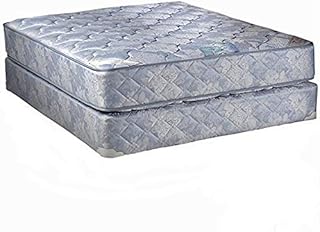
This is the most literal answer to the category: a tall innerspring build with a stitched pillowtop over a reinforced support system, so you get plush surface contact without losing the flat, traditional firmness underneath. At 15 inches it’s a statement bed, so check your sheet depth and headboard proportions before ordering.
Firm 14″ Luxury Hotel Cooling Hybrid
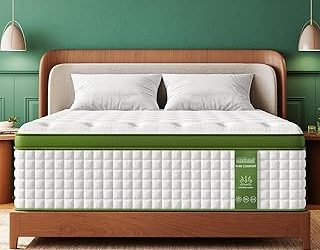
Zoned pocket springs handle the hip, shoulder, and lumbar regions separately, which is why this one manages to feel firm across the middle while still yielding where side sleepers need it. Fiberglass-free construction, CertiPUR-US foam, and a 365-night trial make it the low-risk pick for anyone who isn’t sure firm is right for them yet.
Sealy Dreamlife 14″ Hybrid
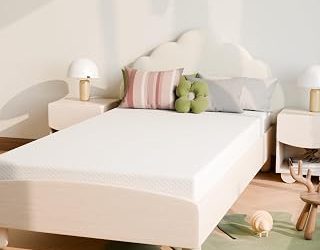
SealyResponsive encased coils under gel memory foam give this hybrid a firm-leaning feel with better airflow than an all-foam bed of the same height. A smart choice for guest rooms and kids’ rooms, since it ships compressed and comes in smaller sizes without dropping to a thin build.
Lucid 12″ Medium Firm Gel Memory Foam
Bamboo charcoal and cooling gel address the two usual complaints about memory foam, heat and odor, while the medium-firm tuning lands close to firm once it’s fully expanded. Best for solo sleepers or anyone who wants near-total motion isolation, since foam beats coils here.
Kin by Tuft & Needle Firm 8″
An adaptive foam build in a genuinely slim profile, which makes it the right call for bunk beds, platform frames with low rails, and daybeds where a 14-inch mattress looks wrong. CertiPUR-US certified with a 100-night trial and a 10-year warranty, so the low profile isn’t a compromise on the fundamentals.
Frequently Asked Questions
Does a pillowtop make a firm mattress soft?
No. It changes the first inch or two of feel, not the support underneath. A firm core with a pillowtop still holds your spine in line; it just removes the hard initial contact against hips, shoulders, and ribs.
How long until a firm mattress stops feeling too hard?
Give it three to four weeks. Foam and coil layers loosen with use, and your body recalibrates from whatever you were sleeping on before. Judge it at the end of the trial, not the first week.
Are pillowtops prone to body impressions?
Some settling is normal and covered by most warranties only past a stated depth, usually around an inch. Rotating head-to-foot every three months and using a supportive foundation with adequate center support slows it considerably.
Do side sleepers need to avoid firm mattresses?
Not necessarily, but zoning matters more for you than anyone else. A firm bed with a softer shoulder zone and a pillowtop can work well; a uniformly firm bed with no cushioning usually won’t.
Final Thoughts
For the classic tall pillowtop feel with dependable firm support, the Sealy Posturepedic Plus Glenshaw is the straightforward pick. If you’d rather hedge, the zoned 14-inch Luxury Hotel Cooling Hybrid pairs targeted lumbar and shoulder support with a 365-night trial, and the Kin by Tuft & Needle Firm 8″ covers the low-profile frames the other two simply won’t fit.