Key takeaways
- Comfort layer depth: Side sleepers need at least three to four inches of soft foam above the support core so shoulders and hips can settle in rather than perch on top. Total height is a useful proxy — 13″ and 14″ builds give you more room to sink without bottoming out.
- Firmness versus body weight: Medium-firm suits most side sleepers between roughly 130 and 230 lbs. Lighter sleepers often want more give and should lean toward the plusher, taller options; heavier sleepers need a firmer core underneath the cushioning to keep hips from dropping.
- Foam versus hybrid: All-foam models deliver deeper pressure relief and near-silent motion isolation. Hybrids with pocketed coils add responsiveness and edge support, which matters if you shift positions often or sleep close to the perimeter.
- Heat management: Memory foam cradles closely, and close contact traps warmth. Look for phase-change covers, gel infusion, or zoned airflow channels rather than relying on marketing language about “cooling foam” alone.
- Trial length: Foam needs two to four weeks to break in and your body needs as long to adapt. Nectar’s year-long trial is unusually generous and removes most of the risk from buying unseen.
What's inside
Side sleeping is the most popular position in the world and the least forgiving of a mattress that gets firmness wrong. Lie on your side and your body loads two narrow zones — shoulder and hip — into a surface designed to hold your whole frame. Too firm, and those points bear the weight while your waist floats unsupported, which is where the 3 a.m. shoulder ache and the numb arm come from. Too soft, and your midsection sinks until your spine bows into a hammock. The window between those two failures is narrow, and most mattress marketing is not precise enough to help you find it.
Nectar has built its reputation on that middle ground: memory foam with genuine contour, tuned to a medium-firm feel that reads softer to a side sleeper than the label suggests. This guide breaks down which Nectar model actually suits side-sleeping bodies, from the flagship 12″ foam build to the taller Premier Hybrid and Luxe tiers, and includes two well-regarded cooling alternatives worth weighing if you sleep hot or share the bed with a stomach sleeper.
As an Amazon Associate we earn from qualifying purchases.




How to Choose a Nectar Mattress for Side Sleepers (2026)
- Comfort layer depth: Side sleepers need at least three to four inches of soft foam above the support core so shoulders and hips can settle in rather than perch on top. Total height is a useful proxy — 13″ and 14″ builds give you more room to sink without bottoming out.
- Firmness versus body weight: Medium-firm suits most side sleepers between roughly 130 and 230 lbs. Lighter sleepers often want more give and should lean toward the plusher, taller options; heavier sleepers need a firmer core underneath the cushioning to keep hips from dropping.
- Foam versus hybrid: All-foam models deliver deeper pressure relief and near-silent motion isolation. Hybrids with pocketed coils add responsiveness and edge support, which matters if you shift positions often or sleep close to the perimeter.
- Heat management: Memory foam cradles closely, and close contact traps warmth. Look for phase-change covers, gel infusion, or zoned airflow channels rather than relying on marketing language about “cooling foam” alone.
- Trial length: Foam needs two to four weeks to break in and your body needs as long to adapt. Nectar’s year-long trial is unusually generous and removes most of the risk from buying unseen.
The Best Nectar Mattresses for Side Sleepers, Reviewed
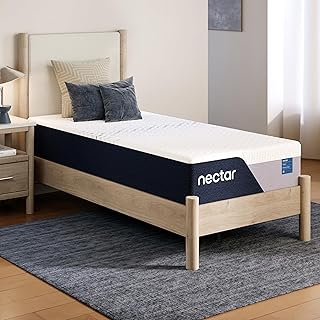
Nectar 12″ Memory Foam Mattress, Queen
The benchmark model and the sensible starting point for most side sleepers — a balanced medium-firm foam stack that lets the shoulder settle without letting the hip collapse. Motion transfer is minimal, making it a strong choice for couples where one person turns through the night.
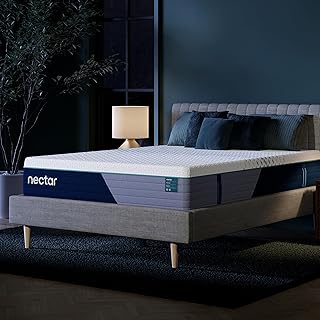
Nectar Premier 13″ Hybrid, Queen
The pocketed-coil core adds lift and noticeably better edge support than the all-foam builds, so you can sleep near the side of the bed without feeling the roll-off. The extra inch of comfort layer gives broader shoulders somewhere to go, and the coils help vent heat.
Nectar Luxe 14″ Memory Foam, Queen
The deepest cushioning in the lineup, and the pick for lighter side sleepers or anyone who wants a genuinely enveloping feel. At 14 inches it also looks substantial in a room — worth checking your fitted sheet depth and bed frame height before ordering.
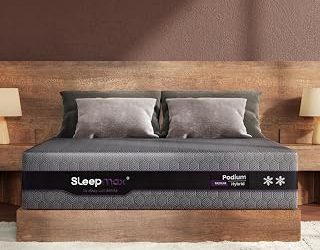
Sleepmax Plush 14″ Cooling Hybrid, Queen
A plusher hybrid alternative with zoned pressure relief and a longer 365-night trial. Useful if you have tried medium-firm Nectar and found it a shade too supportive at the shoulder.
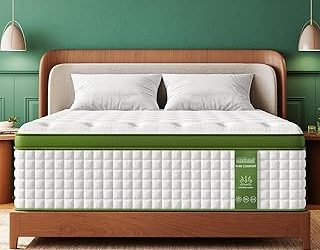
Sweetnight CoolNest 14″ King
Five-zone ergonomic support and an emphasis on breathability make this the hot-sleeper option, and the king footprint suits couples who need real separation. CertiPUR-US certified foams, medium feel.
Frequently Asked Questions
Is medium-firm too firm for side sleeping?
Usually not. Nectar’s medium-firm reads around a 6 out of 10 and softens once body heat activates the foam, which puts it in the range most side sleepers find comfortable.
Which Nectar model is best for shoulder pain?
The Luxe 14″ offers the most cushioning at the shoulder. The Premier Hybrid is the better compromise if you also want responsiveness and cooler sleep.
Do I need a hybrid or will all-foam work?
All-foam is fine for dedicated side sleepers who stay put. Choose the hybrid if you change positions frequently, sleep near the edge, or run warm.
Is there a smaller size for a guest room or child’s room?
Yes — the Nectar 12″ Twin uses the same foam construction and medium-firm feel in a single-sleeper footprint.
Final Thoughts
For most side sleepers, the Nectar 12″ Queen delivers the right balance of contour and support at the most reasonable entry point. Step up to the Premier 13″ Hybrid if you want cooler, more responsive sleep with stronger edges, or the Luxe 14″ if your priority is the deepest possible pressure relief at the shoulder and hip.