Key takeaways
- Support core first: Judge a mattress by what sits under the comfort layers, not the surface feel. Encased coil systems and high-density polyfoam bases push back against concentrated hip pressure far longer than all-soft foam constructions.
- Profile of 12 inches or more: Thickness buys you compression room. A 12 to 14 inch build gives shoulders somewhere to sink without bottoming out onto the base, while an 8 inch slab is better reserved for guest rooms and lighter sleepers.
- Zoned pressure relief: Look for beds that vary firmness across the surface, softer at the shoulder, reinforced through the lumbar and hip. Zoning is what keeps the spine level rather than hammocked.
- Real heat management: Heavier bodies sink deeper, which means more surface contact and more trapped warmth. Gel infusions, open-cell foams, and breathable covers do measurable work here; a marketing sticker does not.
- Edge support and a long trial: You will sit on the perimeter every morning, so a collapsing edge shortens the life of the bed. Pair that with a generous sleep trial and certification such as CertiPUR-US, and you have room to test properly at home.
What's inside
Side sleeping puts the entire load of the body onto two narrow contact points: the shoulder and the hip. For a heavier sleeper, that geometry turns into a real engineering problem. Most mattresses sold today are calibrated around a sleeper in the 150-pound range, so the comfort layers compress fully within seconds, the hips drop below the line of the spine, and the lumbar curve is left unsupported for seven or eight hours. The symptoms are familiar: a dead arm, an aching hip, a lower back that protests in the morning, and a visible dip forming on your side of the bed within a year.
What actually solves it is not a softer bed or a firmer one, but a mattress built with enough structure underneath the plush layers to hold a heavier frame at the right height. This guide looks at bed-in-a-box hybrids and high-density foam builds that hold up under real weight, with attention to support cores, zoned pressure relief, heat control, and edge stability. Below are the models worth considering in 2026, followed by the specifications that matter most when you compare them.
As an Amazon Associate we earn from qualifying purchases.


How to Choose a Mattress For Fat Side Sleepers (2026)
- Support core first: Judge a mattress by what sits under the comfort layers, not the surface feel. Encased coil systems and high-density polyfoam bases push back against concentrated hip pressure far longer than all-soft foam constructions.
- Profile of 12 inches or more: Thickness buys you compression room. A 12 to 14 inch build gives shoulders somewhere to sink without bottoming out onto the base, while an 8 inch slab is better reserved for guest rooms and lighter sleepers.
- Zoned pressure relief: Look for beds that vary firmness across the surface, softer at the shoulder, reinforced through the lumbar and hip. Zoning is what keeps the spine level rather than hammocked.
- Real heat management: Heavier bodies sink deeper, which means more surface contact and more trapped warmth. Gel infusions, open-cell foams, and breathable covers do measurable work here; a marketing sticker does not.
- Edge support and a long trial: You will sit on the perimeter every morning, so a collapsing edge shortens the life of the bed. Pair that with a generous sleep trial and certification such as CertiPUR-US, and you have room to test properly at home.
The Best Mattresses For Fat Side Sleepers (2026) Reviewed
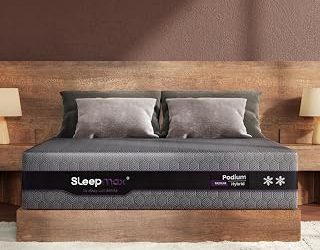
Sleepmax 14 Inch Hybrid
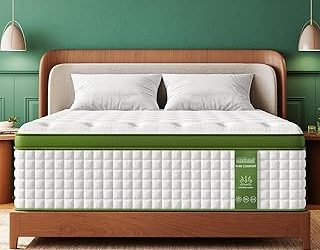
The combination of a full 14 inch profile and an innerspring core makes this the most balanced pick here for heavier side sleepers, since the coils carry the hips while the foam above absorbs the shoulder. A 365-night trial is unusually long, which matters when your body needs several weeks to adapt to proper alignment.
Sweetnight CoolNest 14 Inch
Five-zone ergonomic construction is the headline feature, and it is the right one: firmness shifts across the surface so the lumbar region stays lifted while the shoulder is allowed to give. The medium feel and cooling foam make it a strong choice for warm sleepers who still want cushioning at the contact points.
Sealy Dreamlife 14″ Hybrid
Sealy’s individually encased responsive coils paired with gel memory foam deliver the sort of layered support that heavier frames need, plus decades of engineering behind the build quality. It is the safest long-term bet in this group if durability and brand accountability rank high on your list.
Novilla 12 Inch NanoGEL Memory Foam
The dual-support design targets spinal alignment specifically, using a firmer transitional layer to stop the hips from sinking too far into the comfort foam. Medium firm and all-foam, it suits side sleepers who prefer contouring over bounce and want motion isolation for a shared bed.
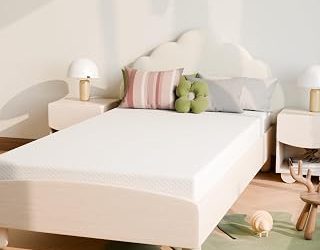
LIFEMENT 8 Inch Full Memory Foam
At 8 inches, this is the budget and small-space option rather than a primary bed for a heavier side sleeper, and it should be treated as such. It works well in a guest room, a dorm, or a spare frame where cooling gel foam and medium firm support at a low price are the priorities.
Frequently Asked Questions
Should a heavier side sleeper choose firm or medium?
Medium to medium firm, with a strong support core. A rock-hard surface creates painful pressure at the shoulder and hip, while a genuinely soft bed lets the pelvis drop out of alignment. You want give at the top and resistance underneath.
Does mattress thickness really matter?
Yes, and it is one of the most reliable predictors of comfort at higher body weights. More profile means more compression room before you reach the firm base, which is exactly what protects the shoulder joint in a side position.
Hybrid or all-foam?
Hybrids generally win for heavier sleepers because steel coils resist long-term compression better than foam and improve airflow and edge stability. All-foam beds still make sense if you sleep hot in a cool room, share the bed, and prefer minimal bounce.
How long before sagging appears?
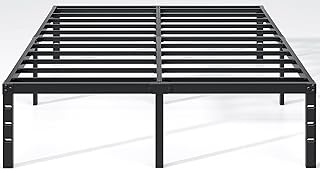
With a properly specified bed on a supportive foundation, expect six to eight years of usable life. Slat spacing under three inches or a solid platform is essential, as an under-built frame will void warranties and create dips regardless of mattress quality.
Final Thoughts
For most heavier side sleepers, the Sealy Dreamlife hybrid is the strongest all-round investment thanks to its encased coil system and proven durability, while the Sleepmax 14 Inch hybrid delivers similar structural support with a year-long trial to back it up. If cooling and targeted pressure relief are your priorities, the Sweetnight CoolNest and its five-zone layout is the one to shortlist.