Key takeaways
- Track shape and length: An S-track follows the curve of your spine; an SL-track extends that curve under the seat and down through the glutes and hamstrings. If your pain sits low, look for an SL-track measuring 50 inches or more. Anything shorter tends to stop right where sciatic tension begins.
- Roller dimension: 2D rollers move up, down, and side to side. 3D adds forward pressure; 4D varies the rhythm and intensity of that pressure. For chronic back tightness, 3D is the meaningful upgrade — 4D is a refinement, not a different category.
- Real-world footprint: Measure the reclined depth, not the upright depth. Many zero-gravity chairs slide forward as they tilt, so a wall-hugging design needs only three to five inches of clearance while others need two feet or more.
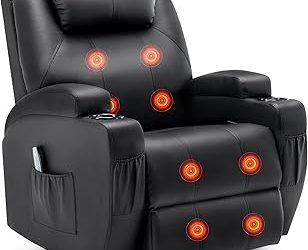
- Heat placement: Lumbar heat is the feature people use daily. Calf and foot heating is pleasant but secondary. Confirm the heating elements sit at the small of the back rather than diffused across the whole seat back.
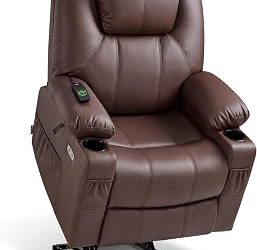
- Material and visual weight: Deep brown or wood-grain synthetic leather reads as a recliner. Glossy black with visible seams reads as equipment. In an open-plan living room, that distinction matters more than any auto program.
What's inside
Most massage chairs are bought in a panic. A disc flares up, a desk chair finally wins, and suddenly you are comparing airbag counts at midnight with no idea whether 40 is meaningfully better than 10. The specs sheets do not help: manufacturers pile on numbers because numbers are easy to print, while the things that actually determine whether a chair relieves your lower back — track geometry, roller depth, where the heat sits — get buried three bullets down. Meanwhile the chair itself is a piece of furniture roughly the size of a loveseat, and it has to live somewhere you already have opinions about.
This guide treats the decision from both sides: how the mechanism works on your spine, and how the object works in your room. Below you will find the current standouts, a short framework for reading spec sheets critically, and honest notes on which chairs earn their footprint. I have prioritized SL-track designs with genuine lumbar coverage, upholstery that does not scream medical device, and wall-hugging recline mechanisms that let you keep the chair within a few inches of a wall instead of marooned in the middle of the floor.
As an Amazon Associate we earn from qualifying purchases.


How to Choose a Back Massage Chair (2026)
- Track shape and length: An S-track follows the curve of your spine; an SL-track extends that curve under the seat and down through the glutes and hamstrings. If your pain sits low, look for an SL-track measuring 50 inches or more. Anything shorter tends to stop right where sciatic tension begins.
- Roller dimension: 2D rollers move up, down, and side to side. 3D adds forward pressure; 4D varies the rhythm and intensity of that pressure. For chronic back tightness, 3D is the meaningful upgrade — 4D is a refinement, not a different category.
- Real-world footprint: Measure the reclined depth, not the upright depth. Many zero-gravity chairs slide forward as they tilt, so a wall-hugging design needs only three to five inches of clearance while others need two feet or more.
- Heat placement: Lumbar heat is the feature people use daily. Calf and foot heating is pleasant but secondary. Confirm the heating elements sit at the small of the back rather than diffused across the whole seat back.
- Material and visual weight: Deep brown or wood-grain synthetic leather reads as a recliner. Glossy black with visible seams reads as equipment. In an open-plan living room, that distinction matters more than any auto program.
The Best Back Massage Chairs of 2026, Reviewed
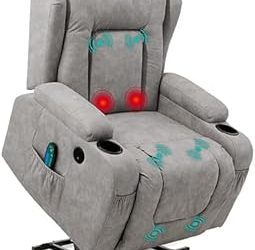
Zero Gravity Recliner with 14 Fixed Rollers, Wood Grain Leather
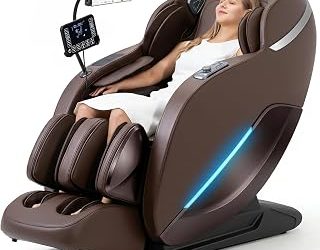
The wood-grain upholstery is the quiet star here — it lets the chair sit beside a mid-century sofa without visually taking over the room. Fourteen fixed rollers deliver consistent, predictable shiatsu rather than adaptive precision, which suits anyone who wants one reliable routine instead of a menu.
TLIFE Full Body 160° Zero Gravity SL-Track
The 160-degree recline combined with body scanning makes this the most forgiving pick for varied household heights, and the lumbar and calf heat is well positioned for post-work stiffness. Arriving fully assembled is not a small thing when the box weighs what this one does.
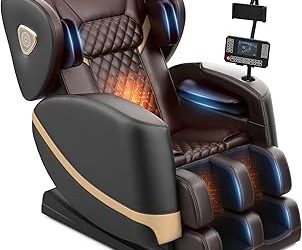
4D 53.5″ Extended SL-Track Shiatsu
A 53.5-inch track with 4D rollers and core heating puts this in genuinely therapeutic territory, reaching the sacrum instead of quitting at the tailbone. Yoga mode’s decompression stretch is the feature owners keep returning to; the AI voice control is convenience, not substance.
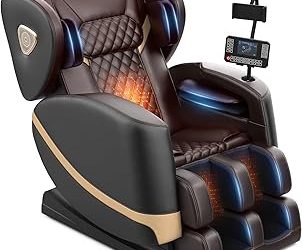
Culanta 53″ SL-Track Zero Gravity Shiatsu
The brown finish and restrained silhouette make this the easiest chair on this list to integrate into a furnished room. Dual controls on the armrest and pad mean you are not hunting for a remote mid-session, and six techniques across five modes covers most needs without menu fatigue.
FURNIMAT Zero Gravity Recliner, 2026 Version
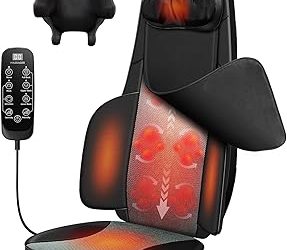
Fourteen shiatsu rollers with targeted neck and back coverage make this a strong choice for upper-body tension specifically — the sort that accumulates from monitors rather than lifting. The touchscreen is legible and the Bluetooth speaker is a better implementation than most.
Frequently Asked Questions
Do massage chairs genuinely help back pain?
For muscular tension, stiffness, and circulation, the evidence is reasonably supportive: sustained pressure and heat relax paraspinal muscles and reduce perceived pain. For structural issues such as disc herniation or stenosis, a chair manages symptoms at best. Check with your physician before use if you have a diagnosed spinal condition, are pregnant, or have an implanted device.
Is 4D worth the premium over 2D?
The jump from 2D to 3D is the one you will feel, because adjustable forward pressure is what allows the rollers to reach deep tissue. 4D adds variable rhythm on top of that. Worthwhile if you use the chair daily; skippable if you are buying for occasional relief.
How much space do I actually need?
Budget roughly 30 by 55 inches of floor area for the chair itself, plus clearance behind it. Wall-hugging models need only a few inches; conventional recline mechanisms can need up to two feet, which changes your layout considerably.
How long should a session be?
Fifteen to twenty minutes once or twice a day is the usual guidance. Longer sessions on deep-tissue settings can leave you sore, particularly in the first week while your muscles adapt to the pressure.
Final Thoughts
If you want the most capable chair for genuine lower-back relief, the 4D 53.5-inch extended SL-track model has the reach and roller depth to justify its price. For a chair that disappears into a well-considered living room while still delivering real lumbar work, the Culanta 53-inch SL-track in brown is the most graceful compromise on this list. And if assembly anxiety is the thing holding you back, the TLIFE 160-degree zero-gravity chair arrives ready to use with heat exactly where most people need it.