Key takeaways
- Support, not stiffness: Firmness describes surface feel; support describes whether your spine stays aligned. A hybrid with individually pocketed coils delivers both, while an all-foam bed marketed as extra firm can still compress under the hips over time.
- Zoned lumbar reinforcement: Look for beds that specify 5-zone or 7-zone coil layouts. Firmer, higher-gauge springs beneath the waist and hips resist the sinkage that flattens the lower back curve, which is where most pain complaints originate.
- Match firmness to position: Back and stomach sleepers generally do best on extra firm. Side sleepers need a firm mattress with a slightly more generous comfort layer, otherwise the shoulder cannot drop and the spine twists.
- Profile and build: Twelve to fourteen inches gives room for a proper coil unit plus transition foam. Deeper is not automatically better, but a thin profile usually means a compromised support core.
- Trials and certifications: Your back needs two to four weeks to recalibrate, so a 365-night trial is genuinely useful rather than a gimmick. CertiPUR-US certification and fiberglass-free construction should be non-negotiable.
What's inside
Lower back pain rarely announces itself at bedtime. It shows up at 6 a.m., when you swing your legs off a mattress that has quietly given up on your lumbar curve. Most beds fail here in one of two directions: they cradle the hips until the pelvis tilts and the spine sags into a hammock, or they overcorrect into a slab so unyielding that shoulders and hips carry all the load. Neither one lets the paraspinal muscles switch off, which is the whole point of horizontal time.
What actually helps is a firm surface with intelligence built into it, meaning reinforced coils under the midsection, enough contouring at the shoulder to keep the upper spine neutral, and a comfort layer thin enough that it does not undo the support beneath. This guide breaks down the firm and extra-firm hybrids worth considering in 2026, what separates genuine lumbar engineering from marketing language, and how to match firmness to your sleep position rather than to a number on a box.
As an Amazon Associate we earn from qualifying purchases.


How to Choose a Firm Mattress For Lower Back Pain (2026)
- Support, not stiffness: Firmness describes surface feel; support describes whether your spine stays aligned. A hybrid with individually pocketed coils delivers both, while an all-foam bed marketed as extra firm can still compress under the hips over time.
- Zoned lumbar reinforcement: Look for beds that specify 5-zone or 7-zone coil layouts. Firmer, higher-gauge springs beneath the waist and hips resist the sinkage that flattens the lower back curve, which is where most pain complaints originate.
- Match firmness to position: Back and stomach sleepers generally do best on extra firm. Side sleepers need a firm mattress with a slightly more generous comfort layer, otherwise the shoulder cannot drop and the spine twists.
- Profile and build: Twelve to fourteen inches gives room for a proper coil unit plus transition foam. Deeper is not automatically better, but a thin profile usually means a compromised support core.
- Trials and certifications: Your back needs two to four weeks to recalibrate, so a 365-night trial is genuinely useful rather than a gimmick. CertiPUR-US certification and fiberglass-free construction should be non-negotiable.
The Best Firm Mattresses for Lower Back Pain (2026), Reviewed
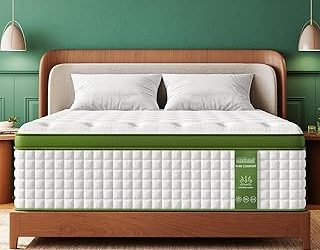
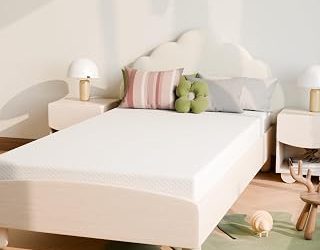
12-Inch Firm Hybrid with Lumbar and Hip Support
The most balanced entry point here, pairing a pocketed coil core with reinforced lumbar and hip zoning at a profile that suits platform beds and standard frames alike. The 365-night trial removes most of the risk of committing to a firmer feel than you are used to.
BedStory Extra Firm 14-Inch Hybrid
BedStory’s individually pocketed springs do two jobs well: they hold the pelvis level and they isolate movement, which matters if a partner’s shifting currently wakes you into a bad position. This is the pick for back sleepers who want maximum resistance under the waist.
King 14-Inch Extra Firm Cooling Hybrid
Built for spinal alignment with dedicated lumbar and hip support, plus a cooling comfort layer that keeps the firm surface from feeling clammy. Worth the upgrade if you sleep hot and have historically blamed the mattress for restlessness that was really temperature.
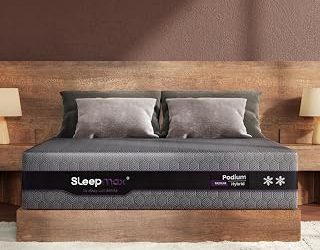
Sleepmax Extra Firm 12-Inch Hybrid
A rare extra-firm build that still works for side sleepers, thanks to a comfort layer that permits just enough shoulder give. Fiberglass-free construction and a forever warranty make it an easy recommendation for guest rooms and primary bedrooms alike.
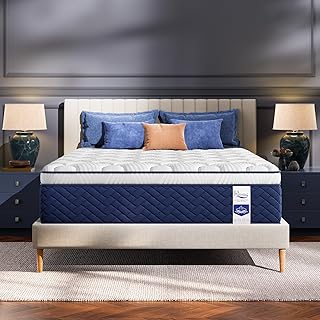
Medium Firm 14-Inch 7-Zone Hotel Collection Hybrid
If extra firm has failed you before, this is the smarter direction: seven support zones handle alignment while the surface stays hospitality-soft. Ideal for combination sleepers and anyone with hip sensitivity alongside back pain.
Frequently Asked Questions
Is a firm mattress always better for lower back pain?
No. Research generally favors medium-firm to firm over very hard surfaces, because some contouring is needed to maintain the spine’s natural curves. Persistent or severe pain deserves a conversation with a physician or physical therapist, not just a new mattress.
How long does it take to adjust?
Two to four weeks is typical. Your body has adapted to the sag of your old bed, and briefly increased stiffness during that window is common rather than a sign the mattress is wrong.
Do I need a new foundation?
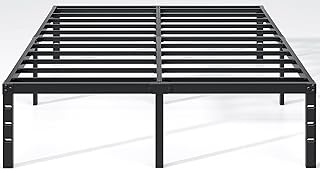
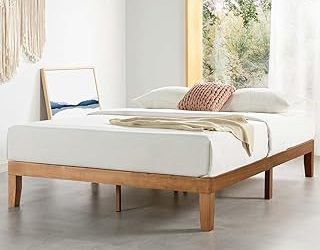
Possibly. A slatted platform needs gaps of three inches or less, and any sagging box spring will telegraph straight through even the best coil unit.
Will a firm mattress help sciatica?
It can reduce aggravation by keeping the pelvis neutral, but sciatica has a nerve-root cause that bedding cannot address on its own. Treat the mattress as support for recovery, not treatment.
Final Thoughts
For most people carrying lower back pain into 2026, the 12-inch firm hybrid with lumbar and hip support is the sensible default, while the BedStory Extra Firm 14-Inch earns its place for dedicated back sleepers who want the most resistance under the waist. If firm has felt punishing before, start with the Medium Firm 7-Zone Hotel Collection instead and let the zoning do the alignment work for you.