Key takeaways
- Coil architecture: Individually pocketed springs are the baseline. What separates good from mediocre is zoning — beds with reinforced coils under the lumbar region hold your spine level while letting shoulders and hips settle, which is the whole point of a hybrid.
- Comfort layer depth: Roughly two to four inches of foam over the coils gives medium feel with genuine pressure relief. Thinner and you’ll feel the spring unit; much thicker and the bed drifts toward soft, losing the responsiveness you paid for.
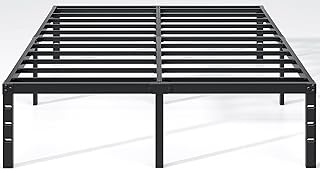
- Profile versus bed frame: A 16-inch mattress on a tall platform can make getting in and out awkward, and standard sheets will fight you. Twelve inches is the versatile default; go taller only if you want the visual presence and have deep-pocket bedding.
- Cooling that’s structural, not topical: Gel infusions and phase-change covers help at the surface. The airflow through a coil layer does the heavy lifting, so treat hybrids as inherently cooler than all-foam and treat cooling claims as a bonus rather than a deciding factor.
- Trial length and certifications: CertiPUR-US foam and fiberglass-free construction should be non-negotiable. A trial of 100 nights is adequate; 365 nights is genuinely useful, since bodies take weeks to adapt to a new support surface.
What's inside
Mattress shopping has become a strange kind of paradox: more choice than ever, less clarity than ever. Nearly every box arriving on a doorstep in 2026 promises cooling, contouring, and cloud-like neutrality — and most of them describe themselves as “medium.” That word does a lot of unpaid labor. On one bed it means a plush surface that lets your hip sink an inch; on another it means a taut, springy deck with barely any give. Buyers end up guessing, and guessing wrong is expensive in sleep debt long before it’s expensive in returns.
This guide narrows the field to medium hybrids — coil-and-foam builds that land in the middle of the firmness scale, which is where the majority of side and combination sleepers actually belong. Below you’ll find the models worth shortlisting, a framework for reading spec sheets without being seduced by them, and honest notes on who each bed suits. Think of it less as a ranking and more as a curated set: five beds, five distinct personalities, chosen for construction quality and real-world comfort rather than marketing volume.
As an Amazon Associate we earn from qualifying purchases.


How to Choose a Medium Hybrid Mattress (2026)
- Coil architecture: Individually pocketed springs are the baseline. What separates good from mediocre is zoning — beds with reinforced coils under the lumbar region hold your spine level while letting shoulders and hips settle, which is the whole point of a hybrid.
- Comfort layer depth: Roughly two to four inches of foam over the coils gives medium feel with genuine pressure relief. Thinner and you’ll feel the spring unit; much thicker and the bed drifts toward soft, losing the responsiveness you paid for.
- Profile versus bed frame: A 16-inch mattress on a tall platform can make getting in and out awkward, and standard sheets will fight you. Twelve inches is the versatile default; go taller only if you want the visual presence and have deep-pocket bedding.
- Cooling that’s structural, not topical: Gel infusions and phase-change covers help at the surface. The airflow through a coil layer does the heavy lifting, so treat hybrids as inherently cooler than all-foam and treat cooling claims as a bonus rather than a deciding factor.
- Trial length and certifications: CertiPUR-US foam and fiberglass-free construction should be non-negotiable. A trial of 100 nights is adequate; 365 nights is genuinely useful, since bodies take weeks to adapt to a new support surface.
The Best Medium Hybrid Mattresses of 2026, Reviewed
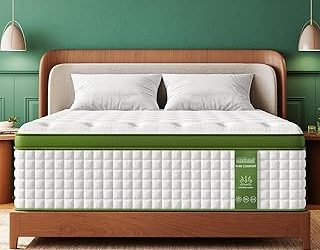
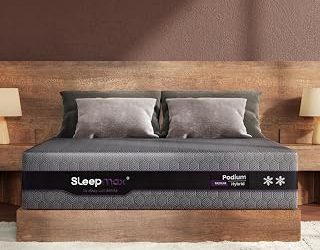
16 Inch Queen Luxury Hybrid with 7-Zone Support
The most ambitious build here, pairing a seven-zone coil system with a thick comfort stack for a medium-firm feel that stays level under heavier frames and pressure points alike. The 16-inch profile is a design statement as much as a comfort choice, and the year-long trial removes most of the risk of committing to it.
Sealy Dreamlife 12″ Hybrid
Sealy’s encased-coil unit and gel memory foam produce a balanced, predictable medium that feels engineered rather than experimental — a sensible pick if you want a legacy brand’s quality control in a box. Surface-Guard treatment on the cover is a quiet plus for guest rooms and humid climates.
Novilla Queen 12 Inch Cooling Hybrid
Upgraded coils under gel memory foam give this one a slightly softer medium with strong motion isolation, making it a smart choice for couples on different schedules. It’s the value proposition of the group without feeling like a compromise.
BedStory 12 Inch Hybrid
The firmest option on the list, built around advanced pocket springs with a restrained foam layer — best suited to back and stomach sleepers, or anyone who finds most “medium” beds too yielding through the midsection. Low motion transfer and a lifted lumbar response make it a credible back-pain pick.
Tuft & Needle Mint (Medium Plush)
Technically a foam bed rather than a hybrid, but it earns its place as the plusher end of medium, with graphite and gel cooling that keeps the surface from feeling swampy. Choose it if you sleep primarily on your side and want cushioning without a coil bounce.
Frequently Asked Questions
Is medium firmness right for side sleepers?
Usually, yes. Medium allows the shoulder and hip to sink enough to keep the spine straight while still supporting the waist. Side sleepers over roughly 230 pounds often do better on medium-firm, since they compress comfort layers further.
How long does a hybrid mattress last?
Expect seven to ten years from a well-made pocket-coil hybrid, typically longer than an equivalent all-foam bed because the spring unit resists the body impressions that eventually flatten foam.
Do I need a special foundation?
Any solid platform or slatted base with gaps under three inches works. Slats spaced wider than that can cause sagging and may void a warranty. Traditional box springs are not recommended.
Why does a new mattress feel firmer at first?
Compressed foams need time to fully expand, and your body needs time to unlearn the contours of your old bed. Give any new mattress two to four weeks before judging it — one reason longer trials matter.
Final Thoughts
If you want one recommendation, the 16 Inch Luxury Hybrid with 7-Zone Support offers the most deliberate engineering and the most forgiving trial window, making it the strongest all-round choice for couples and combination sleepers. The Sealy Dreamlife is the reliable, low-drama alternative for anyone who prefers a heritage name and a standard 12-inch profile, while the Novilla delivers most of that experience at a friendlier price. Choose by sleep position first, brand second — that order almost always produces a better night.