Key takeaways
- Fill type sets the feel: Down alternative and quilted cotton give you cushioned loft that responds instantly, while memory foam contours and holds. Choose plush fill if you want softness over an already-supportive mattress, and foam if you need the surface to change shape around your hips and shoulders.
- Pocket depth is the make-or-break spec: Measure your mattress from seam to seam before you buy. An 8–21 inch stretch skirt handles most modern beds plus a protector, but a 20 inch pocket on a 12 inch mattress leaves slack that migrates all night.
- Look for real airflow, not cooling claims: Rayon derived from bamboo, long-staple cotton covers, and open-cell or ventilated foam move heat outward. Tightly woven polyester shells hold it in, no matter what the label promises.
- Match thickness to the problem: One to two inches of quilted loft softens a firm bed. Four to five inches of foam is what you want when a mattress has developed a dip or when back and hip pressure is waking you up.
- Confirm it survives your laundry routine: Machine-washable quilted pads can go through a home washer on cold. Thick foam cannot, so it needs a removable cover you can strip and clean instead.
What's inside
A queen bed is usually the largest single surface in a bedroom, which makes it the loudest design element in the room and the one most people quietly tolerate. The mattress underneath has settled into a shape you didn’t choose, the surface sleeps warmer than it did three years ago, and the fitted sheet has started to look tired across the middle. Replacing the whole mattress is a four-figure decision. Correcting the top two inches is not.
A topper is the layer that sits between your body and the compromise you already own. Done well, it resets pressure relief, adds loft under the sheet line, and buys a mattress another few years of usable life. Done badly, it shifts overnight, traps heat, and flattens by spring. This guide looks at the queen toppers worth putting on a bed in 2026, what separates a genuine sleep upgrade from a padded sheet, and how to match fill type and thickness to how you actually sleep.
As an Amazon Associate we earn from qualifying purchases.


How to Choose a Queen Size Mattress Topper (2026)
- Fill type sets the feel: Down alternative and quilted cotton give you cushioned loft that responds instantly, while memory foam contours and holds. Choose plush fill if you want softness over an already-supportive mattress, and foam if you need the surface to change shape around your hips and shoulders.
- Pocket depth is the make-or-break spec: Measure your mattress from seam to seam before you buy. An 8–21 inch stretch skirt handles most modern beds plus a protector, but a 20 inch pocket on a 12 inch mattress leaves slack that migrates all night.
- Look for real airflow, not cooling claims: Rayon derived from bamboo, long-staple cotton covers, and open-cell or ventilated foam move heat outward. Tightly woven polyester shells hold it in, no matter what the label promises.
- Match thickness to the problem: One to two inches of quilted loft softens a firm bed. Four to five inches of foam is what you want when a mattress has developed a dip or when back and hip pressure is waking you up.
- Confirm it survives your laundry routine: Machine-washable quilted pads can go through a home washer on cold. Thick foam cannot, so it needs a removable cover you can strip and clean instead.
The Best Queen Size Mattress Toppers of 2026, Reviewed
EASELAND Cotton Pillow Top Mattress Pad
Boxed quilting keeps the fill anchored in place, which is the single most common failure point in budget pads, and the cotton top breathes far better than the microfiber shells at this price. It is the sensible default for anyone who wants a cleaner, cooler sleep surface without changing the height or feel of the bed much.
Niagara Sleep Solution Ultra Soft & Cooling Bamboo Topper
Rayon derived from bamboo has a cool, faintly slick hand that hot sleepers notice immediately, and the pillow-top construction adds cushioning without the sink of foam. The 20 inch pocket suits taller mattresses, and the plush layer takes enough edge off a firm bed to help with lower back tension.
WhatsBedding 5 Inch Bamboo Viscose Memory Foam Topper
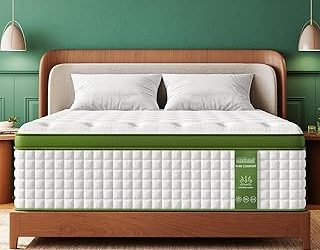
Five inches is genuinely transformative territory, deep enough to rehabilitate a sagging mattress rather than just disguise it, with an air-layer bamboo viscose cover doing the heat management foam usually struggles with. Expect to size up your sheets and give it a few nights to settle.
ELEMUSE Extra Thick Pillowtop Topper
The overfilled down alternative reads as hotel-plush under a sheet, with enough loft to visually lift the whole bed, and the elastic deep pocket holds its position better than most thick pads. Best suited to a mattress that supports you well but simply feels too hard.
Niagara Sleep Solution 100% Cotton Top Cooling Topper
This is the restrained, breathable option in the lineup: a pure cotton face over cloud-like fill, tuned for airflow rather than maximum height. If you sleep hot and dislike the enveloped feeling of thick toppers, this is the one to shortlist.
Frequently Asked Questions
Will a topper fix a sagging mattress?
It can mask a shallow dip, but only a thicker foam topper of four inches or more meaningfully redistributes weight over a compromised core. If the sag exceeds an inch and a half, treat the topper as a stopgap.
Do I need deeper sheets?
For quilted pads of two inches or less, your existing deep-pocket sheets will usually cope. Anything thicker, particularly a 5 inch foam layer, needs sheets rated for at least 18 inches.
Which type is better for back pain?
Memory foam contours to the lumbar curve and is generally the stronger choice for persistent pain. A plush pillowtop helps when the discomfort comes from pressure at the shoulders and hips on an overly firm bed.
How long should a topper last?
Plan on three to five years for quilted and down alternative pads, and four to six for quality foam. Rotating a plush pad head to foot every few months slows the flattening considerably.
Final Thoughts
For most queen beds, the EASELAND cotton pillow top is the low-risk upgrade: breathable, washable, and well constructed enough to stay put. Hot sleepers should look first at the Niagara Sleep Solution cotton top for airflow, while anyone trying to rescue an aging or dipping mattress will get far more from the WhatsBedding 5 inch bamboo viscose foam topper than from any amount of added loft.