Key takeaways
- Zoning over uniform feel: Look for coil or foam zones that yield under the shoulder and firm up beneath the lumbar region. A single-density comfort layer forces one compromise across the whole body; zoned construction lets the shoulder drop while the waist stays lifted.
- Comfort layer depth: Side sleepers need roughly three to four inches of contouring material above the coils. Thinner profiles bottom out at the hip; much thicker ones make repositioning feel like work. Twelve to fourteen inches total is the practical sweet spot.
- Pocketed coils, not connected innersprings: Individually wrapped springs move independently, which means your partner rolling over does not lift your shoulder. It also improves contouring, since each coil responds to the weight directly above it.
- Heat management: Side sleeping creates a smaller contact patch than back sleeping, so trapped heat concentrates. Gel-infused foam, breathable covers, and the open airflow of a coil unit all help. Dense all-foam beds rarely do.
- Certifications and trial length: CertiPUR-US confirms the foam meets emissions and content standards, and fiberglass-free construction avoids a well-known cleanup nightmare. A 365-night trial matters here because side sleepers often need four to six weeks before a new surface stops feeling foreign.
What's inside
Side sleeping is the most popular position in the country and the least well-served by mattress marketing. The shoulder and hip carry nearly all the load, so a surface that reads “supportive” in a showroom often turns into two pressure points and a hollow under the waist by 3 a.m. Go too soft and the spine bows; go too firm and circulation in the arm goes first. “Medium” is supposed to be the compromise, but the word is unregulated, and two mattresses wearing the same label can feel a full point apart on the firmness scale.
This guide looks at medium and medium-firm hybrids built specifically around side-sleeping mechanics: zoned coil layers that soften at the shoulder, gel foam that cushions without swallowing, and edge reinforcement that keeps a bed usable right out to the perimeter. Below, the picks we would put in a real bedroom, followed by the specs worth checking before you commit.
As an Amazon Associate we earn from qualifying purchases.


How to Choose a Medium Mattress For Side Sleepers (2026)
- Zoning over uniform feel: Look for coil or foam zones that yield under the shoulder and firm up beneath the lumbar region. A single-density comfort layer forces one compromise across the whole body; zoned construction lets the shoulder drop while the waist stays lifted.
- Comfort layer depth: Side sleepers need roughly three to four inches of contouring material above the coils. Thinner profiles bottom out at the hip; much thicker ones make repositioning feel like work. Twelve to fourteen inches total is the practical sweet spot.
- Pocketed coils, not connected innersprings: Individually wrapped springs move independently, which means your partner rolling over does not lift your shoulder. It also improves contouring, since each coil responds to the weight directly above it.
- Heat management: Side sleeping creates a smaller contact patch than back sleeping, so trapped heat concentrates. Gel-infused foam, breathable covers, and the open airflow of a coil unit all help. Dense all-foam beds rarely do.
- Certifications and trial length: CertiPUR-US confirms the foam meets emissions and content standards, and fiberglass-free construction avoids a well-known cleanup nightmare. A 365-night trial matters here because side sleepers often need four to six weeks before a new surface stops feeling foreign.
The Best Medium Mattress For Side Sleepers (2026)s Reviewed
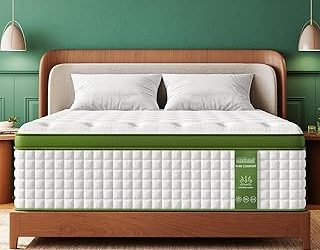
14″ Zoned Lumbar Support Hybrid, Medium Firm
The zoned lumbar band is the reason this one leads: the midsection coils are noticeably firmer than the shoulder section, which keeps the spine straight instead of letting the hips drift low. At 14 inches with a fiberglass-free build and a full year to test it, this is the safest bet for a side sleeper who wakes with lower-back stiffness.
14″ Deep Sleep Hybrid with Pocket Springs & Cooling Gel
A plusher take on the same 14-inch formula, with gel memory foam layered over pocketed springs for a slower, more cradling response at the shoulder. It suits combination sleepers who start on their side and drift onto their back, and the cooling layer keeps the deeper cushioning from turning warm.
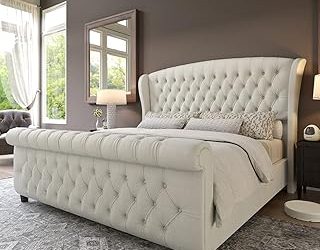
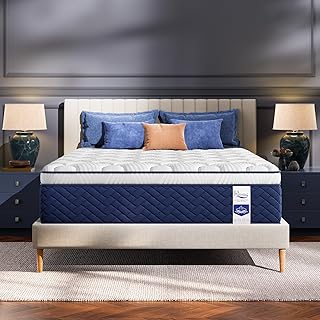
Hotel Collection 14″ 7-Zone Hybrid
Seven distinct support zones give this one the most tailored pressure map of the group, with extra reinforcement through the hip and lower back. The finish leans upscale-hotel rather than boxed-bed, making it an easy fit for a guest room or a primary suite where the bed is the visual anchor.
Neo Sleep 12″ Hybrid Pocket Spring
Genuinely medium rather than medium-firm, with strong motion isolation and reinforced edges that hold shape when you sit to put on shoes. The slip-resistant cover is a small detail that solves a real annoyance on platform and slatted frames.
12″ Medium Firm Hybrid with Gel Memory Foam
The value play. You get pocketed coils, gel foam contouring, CertiPUR-US foam, and fiberglass-free construction in a slimmer 12-inch profile that works well in bunk setups, low frames, and second bedrooms. Lighter sleepers will find it the better firmness match of the two 12-inch options.
Frequently Asked Questions
Should side sleepers choose medium or medium-firm?
Body weight decides it. Under roughly 150 pounds, medium usually allows enough shoulder sink; above 200 pounds, medium-firm prevents the hip from dropping too far. Between those figures, either works, and a zoned model splits the difference intelligently.
Is 12 inches thick enough?
Yes, provided the comfort layer is deep enough. Fourteen inches typically buys a taller coil unit and more foam, which benefits heavier sleepers and couples. For solo or lighter sleepers, 12 inches performs nearly identically.
How long does a new mattress take to feel right?
Two to four weeks for the foams to relax and for your body to adapt. Judge it after 30 nights, not three, which is exactly why the 365-night trials on several of these picks are worth having.
What foundation do these need?
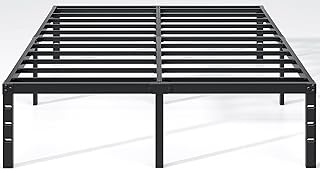
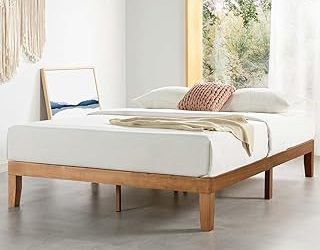
A platform frame, slats spaced no more than three inches apart, or a solid foundation. Wider slat gaps let the coil unit flex unevenly and can void the warranty.
Final Thoughts
For most side sleepers, the 14″ Zoned Lumbar Support Hybrid is the pick that solves the core problem: shoulder relief and waist support in one surface, backed by a year-long trial. Choose the Hotel Collection 7-Zone if you want the most refined build and finest-grained support mapping, or the 12″ Medium Firm Hybrid with Gel Memory Foam if you need solid side-sleeping geometry without the premium spend.