Key takeaways
- Measure the corridor, not the room: Leave three to four inches of bare floor on each side of the runner so it reads as a deliberate line. A 2×6 covers a standard galley run; 20″ or 24″ widths suit tighter passages between an island and cabinetry.
- Pick your pile for your mess: Low-profile flatweaves wipe clean and sit flush under cabinet doors and bar stools. Plush polyester and chenille types feel better during long standing sessions and absorb more, but need more frequent laundering.
- Interrogate the backing: Latex dots and rubberized coatings grip well but can degrade in hot dryers or leave residue on some finishes. TPR and woven non-slip layers tend to age better. On sealed hardwood, add a thin rug pad regardless.
- Confirm it fits your machine: “Washable” is a spectrum. Look for cold-wash, low-tumble instructions and a weight your home washer can actually handle wet, especially at the 2×6 size.
- Choose color that hides real life: Distressed vintage prints, taupe, and mid-tone greys camouflage crumbs and splatter far better than solid cream or charcoal. Multi-tonal patterning is the most forgiving choice in a working kitchen.
What's inside
The strip of floor between your sink and your stove is the hardest-working surface in the house. It absorbs splashes, dropped flour, dog paws, and the weight of your own two feet through every long dinner prep. Bare tile there is cold and unforgiving; the wrong rug there is worse, curling at the corners, sliding underfoot, and holding onto olive oil stains like a grudge. Most shoppers end up cycling through two or three before they find one that genuinely lives in the space.
This guide is a curated shortlist rather than an exhaustive catalog. We looked at the runners that solve the real problems: grip that holds on sealed tile and luxury vinyl, backing that survives repeated wash cycles, absorbency that doesn’t turn into a damp sponge, and patterns that read as intentional design rather than utility matting. Below you’ll find our current picks, the specs worth caring about, and honest notes on where each one fits.
As an Amazon Associate we earn from qualifying purchases.



🛒 Best Price Today on Amazon
Prime members get fast, free shipping on everything above, plus member-only deals. New members get a 30-day free trial — cancel anytime.
How to Choose a Kitchen Runner Rug (2026)
- Measure the corridor, not the room: Leave three to four inches of bare floor on each side of the runner so it reads as a deliberate line. A 2×6 covers a standard galley run; 20″ or 24″ widths suit tighter passages between an island and cabinetry.
- Pick your pile for your mess: Low-profile flatweaves wipe clean and sit flush under cabinet doors and bar stools. Plush polyester and chenille types feel better during long standing sessions and absorb more, but need more frequent laundering.
- Interrogate the backing: Latex dots and rubberized coatings grip well but can degrade in hot dryers or leave residue on some finishes. TPR and woven non-slip layers tend to age better. On sealed hardwood, add a thin rug pad regardless.
- Confirm it fits your machine: “Washable” is a spectrum. Look for cold-wash, low-tumble instructions and a weight your home washer can actually handle wet, especially at the 2×6 size.
- Choose color that hides real life: Distressed vintage prints, taupe, and mid-tone greys camouflage crumbs and splatter far better than solid cream or charcoal. Multi-tonal patterning is the most forgiving choice in a working kitchen.
The Best Kitchen Runner Rugs (2026) Reviewed
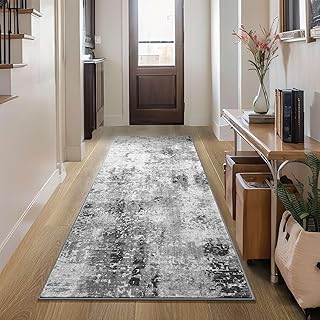
2×6 Washable Vintage Distressed Runner
The most design-forward option here, with a faded Persian-style print that lets a functional runner pass as an actual area rug. The low profile and non-slip backing suit galley kitchens that open into a hallway or living space, where you want one continuous look rather than a visible mat.
BEQHAUSE Kitchen Runner Rug 24″x60″ (Taupe)
A quietly excellent everyday pick: generous 24-inch width, strong absorbency, and a neutral taupe that disappears against most wood-tone and greige cabinetry. This is the one to buy if you want maximum comfort underfoot at the sink without introducing another pattern into the room.
PADOOR Extra Large 2-Piece Kitchen Mat Set
The smartest value on the list, pairing a 2.5×6 runner with a 20″x32″ mat so you can cover the main run and the sink zone in one purchase. The extra half-foot of width gives it more presence than typical mats, and the grey tone handles daily traffic gracefully.
BEQHAUSE Kitchen Runner Rug 24″x60″ (Blue)
Same well-judged construction as the taupe version, with a saturated blue that works as a deliberate accent against white shaker cabinets or warm brass hardware. Best in kitchens that are otherwise neutral and could use one grounding color moment.
Ompaa 2×6 Abstract Runner with Rubber Backing
The contemporary choice, with a soft abstract grey pattern that suits minimalist and Scandinavian-leaning interiors. The rubber backing grips confidently on tile, and the low pile means it slides cleanly under toe kicks and appliance doors.
Frequently Asked Questions
What size runner works best in a kitchen?
A 2×6 (24″x72″) is the standard for galley kitchens and island runs. In tighter spaces, a 20″x59″ or 24″x60″ gives you sink coverage without crowding the walkway.
Will a runner slide on tile or vinyl plank?
Quality non-slip backing holds well on both, but grip diminishes after several washes. A thin, breathable rug pad restores stability and protects the finish underneath.
How often should I wash it?
Every two to four weeks for an active kitchen. Absorbent plush styles like the COSY HOMEER 20″x59″ mat benefit from more frequent laundering since they hold moisture longer.
Are washable runners durable enough for daily use?
Yes, if you wash cold and skip high heat. Heat is what breaks down non-slip coatings and causes shrinkage; air-drying flat significantly extends the lifespan.
Final Thoughts
For most kitchens, the BEQHAUSE 24″x60″ in taupe is the easiest recommendation: comfortable, absorbent, and visually quiet. Choose the 2×6 vintage distressed runner if the kitchen is open to another room and you want the piece to look like design rather than upkeep, or the PADOOR two-piece set if you need to cover both the main run and the sink zone in a single purchase.