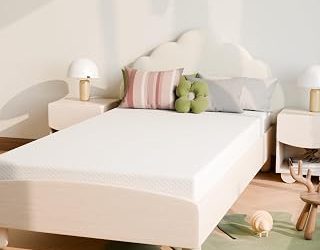
Key takeaways
- Match firmness to weight and position: Medium firm reads differently depending on your body. Side sleepers under roughly 150 lbs often want the softer edge of the range; back sleepers and anyone above 200 lbs generally need the firmer end to keep the spine neutral rather than cradled.
- Read the layers, not the total height: A 14-inch bed with a thin comfort layer over cheap base foam will outperform nothing. Look for a dedicated transition layer between the memory foam and the support core, since that’s what stops the hip-sink most people blame on softness.
- Take cooling claims seriously: Memory foam traps heat by design. Gel infusion, copper, graphene-treated covers, and open-cell structures all help, and stacking two approaches works better than trusting one. If you sleep hot, this matters more than firmness.
- Verify certifications and fiberglass-free construction: CertiPUR-US covers foam emissions and content. Separately, confirm the fire barrier doesn’t rely on fiberglass, which becomes a real problem if a cover is ever removed.
- Weigh the trial against the warranty: Foam needs 30 days to break in and your body needs longer to adapt. A 100-night trial is workable; a full year removes the guesswork entirely. Check who pays return shipping before you assume risk-free.
What's inside
Medium firm has become the default answer to almost every mattress question, which is exactly why it has stopped meaning much. One brand’s medium firm lands around a 6 on the industry scale; another’s feels closer to a 7.5 once the foam warms up and the top layer softens. Shoppers end up comparing labels instead of construction, then discover three weeks in that the bed they chose sinks at the hips or pushes back at the shoulders. The label is a starting point, not a spec.
This guide looks at what actually determines how a medium firm memory foam bed performs over a year of nightly use: layer density, cooling strategy, zoning, safety certifications, and how generous the trial window really is. Below are the models worth your attention in 2026, from copper-infused foam built around pressure relief to a hybrid that borrows pocket springs for extra lift.
As an Amazon Associate we earn from qualifying purchases.


How to Choose a Medium Firm Memory Foam Mattress (2026)
- Match firmness to weight and position: Medium firm reads differently depending on your body. Side sleepers under roughly 150 lbs often want the softer edge of the range; back sleepers and anyone above 200 lbs generally need the firmer end to keep the spine neutral rather than cradled.
- Read the layers, not the total height: A 14-inch bed with a thin comfort layer over cheap base foam will outperform nothing. Look for a dedicated transition layer between the memory foam and the support core, since that’s what stops the hip-sink most people blame on softness.
- Take cooling claims seriously: Memory foam traps heat by design. Gel infusion, copper, graphene-treated covers, and open-cell structures all help, and stacking two approaches works better than trusting one. If you sleep hot, this matters more than firmness.
- Verify certifications and fiberglass-free construction: CertiPUR-US covers foam emissions and content. Separately, confirm the fire barrier doesn’t rely on fiberglass, which becomes a real problem if a cover is ever removed.
- Weigh the trial against the warranty: Foam needs 30 days to break in and your body needs longer to adapt. A 100-night trial is workable; a full year removes the guesswork entirely. Check who pays return shipping before you assume risk-free.
The Best Medium Firm Memory Foam Mattresses (2026), Reviewed
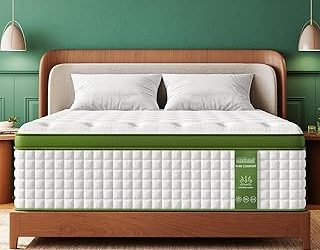
EGOHOME 14″ Copper Gel Memory Foam
The most thoughtfully specified bed here: copper-gel infused foam and a graphene-cool-tech cover handle heat retention from two directions, while the 14-inch build gives enough depth for genuine pressure relief at the hips and shoulders. Fiberglass-free construction, CertiPUR-US foam, and an ICA endorsement make it an easy recommendation for back pain sufferers who don’t want to compromise on cooling.
Nectar 12″ Memory Foam, Queen
Nectar’s medium firm sits reliably in the middle of the range, with a slow-response top layer that contours without swallowing you. The full-year trial is the standout: it’s long enough to test the bed through every season, which no 100-night window can do.
Nectar 12″ Memory Foam, Full
Identical construction and feel to the queen, in a footprint that suits guest rooms, smaller primary bedrooms, and solo sleepers who want room to move. The same year-long trial applies, making it a low-risk choice for a space you’re still figuring out.
Vibe 12″ Gel Memory Foam, Twin XL
The value pick, and a smart one for dorms, adjustable bases, and split-king setups where two Twin XLs pair up. Gel-infused foam keeps surface temperature reasonable and the medium firm feel leans supportive rather than plush, with CertiPUR-US certification backing the foam.
Casper Original 11″ Memory Foam, Twin
Casper’s zoned support is the differentiator here: the foam is engineered softer under the shoulders and firmer under the hips, which does more for alignment than a uniform slab of the same density. Breathable foam and strong motion isolation make it a good fit for restless sleepers and shared beds.
Frequently Asked Questions
Is medium firm the right choice for back pain?
It’s the most commonly recommended range, because it supports the lumbar curve without forcing the spine flat. That said, back pain has many causes, and a mattress is one variable among several. Persistent pain deserves a conversation with a clinician, not just a new bed.
How long does a new foam mattress take to feel right?
Expect 24 to 72 hours for the bed to fully expand and two to four weeks for the foam to break in and for your body to adjust. Mild off-gassing odor is normal in the first few days and fades faster in a ventilated room.
All-foam or hybrid?
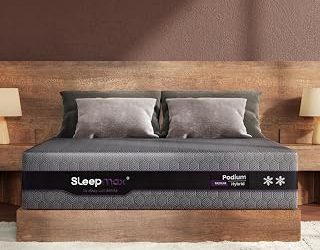
All-foam gives you better motion isolation and a more enveloping contour. A hybrid with a 7-zone foam layer over pocket springs adds bounce, stronger edge support, and more airflow, which suits combination sleepers and anyone who finds pure foam too still.
Do I need a box spring?
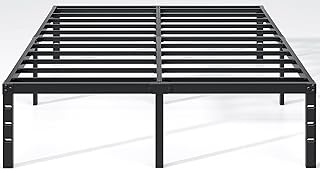
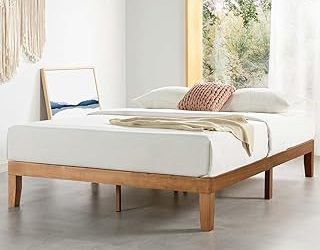
No. Foam mattresses need a flat, evenly supported surface: a platform bed, a bunkie board, or slats spaced no more than about three inches apart. Wider gaps cause sagging and can void a warranty.
Final Thoughts
For most buyers, the EGOHOME 14″ is the strongest overall pick, combining copper-gel cooling with enough depth for real pressure relief. The Nectar 12″ is the safest bet if you want a year to make up your mind, and the Casper Original earns its place for zoned support that treats shoulders and hips as different problems, because they are.