Key takeaways
- Independent head and foot articulation: The position most sleepers settle into is a modest torso incline paired with a slight knee bend, which unloads the lumbar spine by shortening the hip flexors’ pull on the pelvis. A base that only raises the head forces you into a slouch, so look for separate leg control or a preset zero-gravity contour.
- Foam density over foam thickness: A tall wedge made from low-density foam compresses under body weight within minutes and leaves you flat again. High-density polyurethane or a memory foam top over a firm base holds its angle across a full night, which is the whole point.
- Gap management: Any incline creates a void behind the lower back. Left unfilled, that space is where pain originates. Stackable wedge systems and a dedicated lumbar insert close it, and modular sets let you tune the fill rather than guess.
- Adjustability range, not a single fixed angle: Spines differ. Sets offering multiple stacking heights, or bases with fine-grained remote control, let you experiment across a few weeks instead of committing to one manufacturer’s idea of correct.
- Motor noise and build quality: A base that wakes your partner every time you adjust at 3 a.m. defeats the purpose. Quiet motors, sturdy steel framing, and a straightforward assembly process are worth prioritizing over extras like nightlights and USB ports.
What's inside
Lower back pain rarely announces itself at a convenient hour. It shows up at 2 a.m., when your lumbar curve has collapsed into the mattress and your pelvis has quietly rotated somewhere it shouldn’t be. The frustrating part is that most people blame the mattress first, replace it, and wake up in the same shape. Position is the variable doing the heavy lifting, and a flat horizontal bed gives you almost no control over it.
This guide looks at the gear that actually changes sleeping geometry: a motorized base that lets you dial in a slight torso lift and a knee break, plus the wedges and lumbar inserts that approximate the same effect for a fraction of the cost. Below you’ll find our picks for 2026, what separates a genuinely supportive setup from foam that flattens by month three, and how to find the angle your spine prefers.
As an Amazon Associate we earn from qualifying purchases.



How to Choose a/an Adjustable Bed Position For Lower Back Pain (2026)
- Independent head and foot articulation: The position most sleepers settle into is a modest torso incline paired with a slight knee bend, which unloads the lumbar spine by shortening the hip flexors’ pull on the pelvis. A base that only raises the head forces you into a slouch, so look for separate leg control or a preset zero-gravity contour.
- Foam density over foam thickness: A tall wedge made from low-density foam compresses under body weight within minutes and leaves you flat again. High-density polyurethane or a memory foam top over a firm base holds its angle across a full night, which is the whole point.
- Gap management: Any incline creates a void behind the lower back. Left unfilled, that space is where pain originates. Stackable wedge systems and a dedicated lumbar insert close it, and modular sets let you tune the fill rather than guess.
- Adjustability range, not a single fixed angle: Spines differ. Sets offering multiple stacking heights, or bases with fine-grained remote control, let you experiment across a few weeks instead of committing to one manufacturer’s idea of correct.
- Motor noise and build quality: A base that wakes your partner every time you adjust at 3 a.m. defeats the purpose. Quiet motors, sturdy steel framing, and a straightforward assembly process are worth prioritizing over extras like nightlights and USB ports.
The Best Adjustable Bed Position For Lower Back Pain (2026)s Reviewed
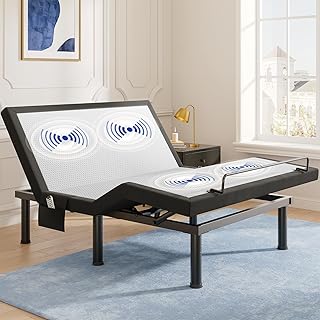
Tami Tami T600 Adjustable Bed Frame (Queen)
This is the most direct route to a genuinely adjustable sleeping position, with a zero-gravity preset that lifts the torso and knees together rather than folding you at the waist. The quiet motor and five-minute assembly make it unusually painless to live with, and the massage function is a reasonable bonus rather than the main draw.
vamorry Lumbar Pillow for Sleeping
The unsung piece of any inclined setup, this memory foam insert fills the gap behind your lower back so the incline supports you instead of suspending you. It works equally well for side and back sleepers, and the washable cover matters more than you’d think for something pressed against your spine nightly.
4PCS Orthopedic Bed Wedge Pillow Set
Four modular pieces mean you can build a torso incline, add a leg elevation, and adjust both independently as your comfort shifts. It’s the closest a foam system gets to the articulation of a motorized base, and the value is hard to argue with.
4PCS Wedge Pillow Set for After Surgery
Designed around recovery, this set doubles neatly as a long-term positioning tool for sitting up and sleeping inclined. The white and grey finish reads more like intentional bedding than medical equipment, which makes it easier to leave in place.
Wedge Pillow Set, Adjustable 9 & 12 Inch
The two-height design lets you test a gentler incline before committing to a steeper one, and the headboard-friendly shape avoids the sliding problem that plagues freestanding wedges. A sensible pick if you want adjustability without a powered base.
Frequently Asked Questions
What position is generally recommended for lower back pain?
Most people find relief with a modest torso incline combined with slight knee elevation, which reduces pressure across the lumbar discs. Start small, around 10 to 15 degrees, and adjust from there.
Do I need a motorized base, or will wedges work?
Wedges replicate much of the geometry at a lower cost. A motorized base earns its price if you adjust frequently, share the bed, or have limited mobility.
How long before I notice a difference?
Give any new position two to three weeks. Your body adapts gradually, and early stiffness isn’t necessarily a sign the setup is wrong.
Should I talk to a doctor first?
Yes. Persistent or worsening back pain deserves a clinical assessment, and a physical therapist can tell you which positions suit your specific condition.
Final Thoughts
If you want real control over your sleeping angle, the Tami Tami T600 is the strongest foundation here, and pairing it with the vamorry lumbar pillow addresses the gap that undermines most inclined setups. On a tighter budget, the 4PCS Orthopedic Bed Wedge Set delivers surprising versatility for the money.