Key takeaways
- Foam vs. hybrid: All-foam beds isolate movement almost completely and suit side sleepers who want contour. Hybrids with pocketed springs give you edge support, easier repositioning, and better airflow — worth prioritizing if you sleep hot or share the bed with a restless partner.
- Profile height: Thickness drives proportion as much as comfort. A 10-inch mattress reads low and clean on a platform frame; 14 to 16 inches fills a tall upholstered headboard and needs deep-pocket sheets. Heavier sleepers generally want 12 inches minimum for adequate support layers.
- Cooling that’s structural, not cosmetic: Gel infusions and phase-change covers help at the surface, but open coil layers and perforated foam move heat far more effectively. Look for zoned airflow channels rather than marketing language alone.
- Certifications and materials: CertiPUR-US confirms the foam has been tested for emissions and prohibited substances. Fiberglass-free construction matters too — it eliminates the risk of particle release if a cover is ever unzipped or damaged.
- Trial period over warranty length: A 100-night trial tells you more than a 10-year warranty. Extended trials of 365 nights signal real confidence, and they give you a full seasonal cycle to judge how the bed handles summer heat.
What's inside
A king bed is the piece that anchors a bedroom — 76 by 80 inches of visual weight that dictates nightstand scale, rug size, and how much wall you have left for art. Which is exactly why the mattress budget gets squeezed. By the time the frame, headboard, and layered bedding are accounted for, the thing you actually sleep on is often the last line item, and the sub-$500 shelf can look like a wall of near-identical white rectangles with interchangeable spec sheets.
The good news: compression shipping and pocketed-coil manufacturing have pushed genuinely comfortable king mattresses well under that ceiling. The catch is that the gap between a smart buy and a two-year regret is wider here than at any other price point. This guide breaks down the specs that actually predict comfort and longevity, then reviews six king mattresses under $500 that hold up to scrutiny — from slim foam builds for guest rooms to 16-inch zoned hybrids that read as far more expensive than they are.
As an Amazon Associate we earn from qualifying purchases.


How to Choose a King Mattress Under 500 (2026)
- Foam vs. hybrid: All-foam beds isolate movement almost completely and suit side sleepers who want contour. Hybrids with pocketed springs give you edge support, easier repositioning, and better airflow — worth prioritizing if you sleep hot or share the bed with a restless partner.
- Profile height: Thickness drives proportion as much as comfort. A 10-inch mattress reads low and clean on a platform frame; 14 to 16 inches fills a tall upholstered headboard and needs deep-pocket sheets. Heavier sleepers generally want 12 inches minimum for adequate support layers.
- Cooling that’s structural, not cosmetic: Gel infusions and phase-change covers help at the surface, but open coil layers and perforated foam move heat far more effectively. Look for zoned airflow channels rather than marketing language alone.
- Certifications and materials: CertiPUR-US confirms the foam has been tested for emissions and prohibited substances. Fiberglass-free construction matters too — it eliminates the risk of particle release if a cover is ever unzipped or damaged.
- Trial period over warranty length: A 100-night trial tells you more than a 10-year warranty. Extended trials of 365 nights signal real confidence, and they give you a full seasonal cycle to judge how the bed handles summer heat.
The Best King Mattresses Under 500 (2026), Reviewed
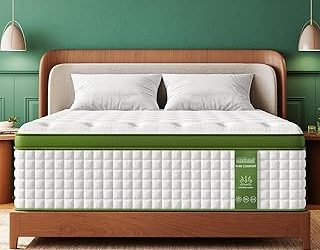
16-Inch Upgraded Luxury Hybrid King
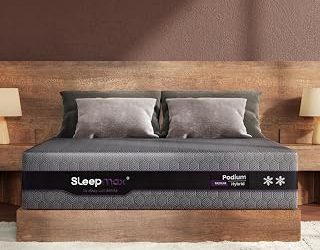
The most design-forward option here — a 16-inch profile that gives a king bed genuine presence and pairs beautifully with tall headboards. Seven-zone support plus solid motion isolation makes it the standout for couples, and the 365-night trial removes most of the risk.
LETMOON Luxury 12-Inch Hybrid King
Built to mimic a hotel feel: gel memory foam over seven-zone pocket springs, with enough lumbar reinforcement to help with lower-back and hip pressure. Fiberglass-free construction and a year-long trial make this a low-anxiety pick for a primary bedroom.
Sweetnight CoolNest 14-Inch King
A medium-feel all-foam bed engineered around breathability, with five-zone ergonomic support that keeps hips from sinking too far. Best suited to sleepers who want the hugged sensation of foam without the trapped heat that usually comes with it.
EGOHOME 12-Inch Green Tea Memory Foam King
Green tea gel-infused foam handles odor and heat noticeably better than basic memory foam at this price. The medium-firm feel lands in useful territory for back and combination sleepers, and true king dimensions mean no gaps in a standard frame.
14-Inch Hybrid King with Pocket Springs
Individually wrapped coils under memory foam deliver the spinal alignment and zoned back support usually reserved for higher tiers. A strong middle-ground choice if you find all-foam beds too enveloping but still want quiet, isolated movement.
Frequently Asked Questions
Can a king mattress under $500 actually last?
Yes, with realistic expectations. Expect six to eight years from a well-built budget hybrid on a properly supported foundation. Premature sagging almost always traces back to inadequate slat spacing rather than the mattress itself.
Do I need a box spring?
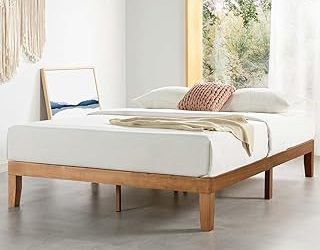
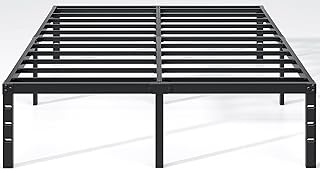
Not for any of these. Modern boxed mattresses work on platform frames, slatted bases, or adjustable bases. Keep slats no more than three inches apart and use a center support beam with legs — a king spans a lot of unsupported width.
How long until it feels right?
Allow 24 to 72 hours for full expansion and two to four weeks for the foam to adapt to your body. Any initial off-gassing smell fades within a few days in a ventilated room.
Is a 10-inch mattress too thin for a king?
For guest rooms and lighter sleepers, a 10-inch build is perfectly adequate and gives a low, minimal silhouette. For a shared primary bed or sleepers over roughly 230 pounds, step up to 12 inches or more.
Final Thoughts
If you want the most convincing high-end impression, the 16-Inch Upgraded Luxury Hybrid is the pick — height, zoning, and a full-year trial in one package. The LETMOON 12-Inch Hybrid is the balanced everyday choice for couples dealing with back or hip discomfort, while the Sweetnight CoolNest 14-Inch is the one to choose if you love foam and hate waking up warm.