Key takeaways
- Decide: comfort or protection. A thin quilted protector guards against spills and wear but barely changes feel. A pillow-top topper reshapes the surface. Buying the wrong category is the most common mistake, so name your goal before you shop.
- Measure your mattress height. Include any existing topper. Modern hybrids commonly hit 14 to 16 inches, and a 20-inch deep pocket gives you room to spare. A pad that fits tightly will pop a corner every few nights.
- Look at the top fabric, not the marketing. Cooling comes from breathability and moisture movement. Cotton and rayon derived from bamboo both move heat away from skin better than polyester microfiber, which tends to trap it.
- Check fill weight for loft that lasts. Down-alternative pads compress. Overfilled construction and tight box or diamond quilting keep the fill from migrating into corners after a few wash cycles.
- Confirm it fits your washer. A king pad is bulky when wet. Machine-washable is standard now, but heavily overfilled toppers often need a front-loader or a laundromat machine.
What's inside
A king bed is the centerpiece of a room, and it is also the hardest surface in the house to get right. The extra width means the middle of the mattress rarely gets slept on evenly, so soft spots and pressure points show up faster than they do on a queen. Add a partner with a different temperature baseline, a mattress that felt perfect in the showroom and firm at home, and the standard fix — buying a whole new mattress — starts to look wildly disproportionate to the problem.
A mattress pad is the correction layer. Done well, it adjusts firmness, buffers heat, and protects the mattress underneath without changing the look of the bed. This guide covers what actually matters in a king pad for 2026: fill loft versus fill weight, pocket depth for taller mattresses, cooling claims worth believing, and which of the current standouts suits which sleeper.
As an Amazon Associate we earn from qualifying purchases.


How to Choose a King Mattress Pad (2026)
- Decide: comfort or protection. A thin quilted protector guards against spills and wear but barely changes feel. A pillow-top topper reshapes the surface. Buying the wrong category is the most common mistake, so name your goal before you shop.
- Measure your mattress height. Include any existing topper. Modern hybrids commonly hit 14 to 16 inches, and a 20-inch deep pocket gives you room to spare. A pad that fits tightly will pop a corner every few nights.
- Look at the top fabric, not the marketing. Cooling comes from breathability and moisture movement. Cotton and rayon derived from bamboo both move heat away from skin better than polyester microfiber, which tends to trap it.
- Check fill weight for loft that lasts. Down-alternative pads compress. Overfilled construction and tight box or diamond quilting keep the fill from migrating into corners after a few wash cycles.
- Confirm it fits your washer. A king pad is bulky when wet. Machine-washable is standard now, but heavily overfilled toppers often need a front-loader or a laundromat machine.
The Best King Mattress Pads Reviewed (2026)
Niagara Sleep Solution Ultra Soft & Cooling Topper
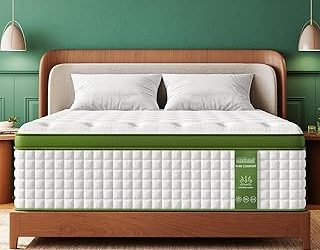
The rayon-from-bamboo surface is the draw here: silky, quick to shed body heat, and noticeably cooler to the touch than cotton on humid nights. The pillow-top loft adds real cushioning without swallowing you, and the 20-inch pocket clears almost any hybrid or pillow-top king.
EASELAND Cotton Pillow Top Mattress Pad
A well-balanced pick for couples who disagree about temperature. The cotton top breathes, the box quilting holds fill evenly across the wide king span, and the 8 to 21-inch pocket range means it works on a slim guest mattress and a tall primary bed alike.
Utopia Bedding Quilted Fitted Mattress Pad
This is the pragmatic choice: a noiseless quilted layer that adds a light plush touch while doing the real job of protecting the mattress. The 16-inch stretch pocket and hotel-grade washability make it the pad to buy in pairs for rotation.
GOTS Organic Cotton Mattress Protector
For anyone reducing synthetics in the bedroom, the 100% organic cotton build and GOTS certification are the credentials that matter, and the 300GSM weight means it holds up to frequent washing. Expect protection and breathability rather than added softness.
ELEMUSE Extra Thick Mattress Topper
The most transformative option on the list. The overfilled down-alternative fill delivers a genuinely plush pillow-top feel, which makes it the strongest candidate for a mattress that has gone too firm or is creating hip and shoulder pressure.
Frequently Asked Questions
Will a mattress pad fix a mattress that is too firm?
It can soften the top few inches, which is often enough for pressure-point pain. A thick pillow-top like the ELEMUSE will make the most difference. It will not fix a sagging core, though, since the pad follows the dip.
Are cooling pads actually cooler?
The good ones are, because breathable natural fibers move moisture instead of holding it. If your main issue is overheating, the Niagara 100% cotton top version and the bamboo-rayon model are the two to compare.
How often should I wash a king mattress pad?
Every two to three months for a protector, more often if you sleep hot or have allergies. Cold wash, low heat, and skip fabric softener, which coats fibers and reduces breathability.
Do I still need a mattress protector?
If liquid protection matters to you, yes. Quilted pads absorb rather than block, so pair a comfort topper with a waterproof protector underneath.
Final Thoughts
For most king beds, the Niagara Ultra Soft & Cooling topper is the best all-around upgrade, balancing cooling and cushioning in one layer. Choose the EASELAND cotton pad if you want breathable comfort with the widest fit range, and the ELEMUSE if your mattress simply needs to be softer.