Key takeaways
- Comfort layer depth over firmness labels: Side sleepers need enough surface material for the shoulder to sink before the support core engages. A 15″ pillowtop like the Glenshaw can carry a “Firm” label and still cradle better than a 13″ tight top, because the cushioning stack does the contouring work.
- Encased coils for pressure mapping: Individually wrapped coils compress independently, so your hip can drop without lifting your ribcage. Look for the SealyResponsive or Posturepedic Pro coil systems rather than continuous-wire innerspring designs if hip pressure is your main complaint.
- Match firmness to body weight: Under roughly 130 lbs, most side sleepers want a medium or plush surface. Between 130 and 230 lbs, a firm pillowtop is usually the sweet spot. Above 230 lbs, prioritize a hybrid with reinforced edges so the perimeter doesn’t collapse when you sit or roll.
- Cooling that reaches the contact points: Side sleeping creates two concentrated heat pockets. Gel-infused memory foam paired with a coil layer moves air better than all-foam construction, which matters more than a cool-to-the-touch cover you stop noticing after ten minutes.
- Compressed versus traditional delivery: Boxed mattresses ship easily and suit guest rooms or upstairs bedrooms. Traditional pillowtops arrive at full loft and generally offer more generous cushioning, but need two people and a clear stairwell.
What's inside
Side sleeping is the most popular position and the least forgiving one. All your body weight funnels into two narrow zones, the shoulder and the hip, while the waist and knees hover above the surface waiting for support that never arrives. A mattress that feels plush in a showroom can still leave you with a numb arm at 3 a.m., and a mattress marketed as supportive can push back so hard that your spine bends into a shallow S. Sealy sits in an interesting spot here: the brand built its reputation on reinforced center-third support, which side sleepers genuinely need, but its lineup ranges from bare-bones tight tops to deep pillowtops, and the label on the law tag tells you very little about how it will treat your shoulder.
This guide narrows the field. Below you’ll find the Sealy Posturepedic and Dreamlife models worth considering in 2026 for side sleeping, plus one well-reviewed hybrid alternative for shoppers who want a boxed option at a lower entry point. I’ve organized picks by what actually changes the experience for side sleepers: comfort-layer depth, coil design, motion isolation, and how the surface behaves at the shoulder versus the hip. Use the buying criteria section to identify your profile first, then read the reviews that match it.
As an Amazon Associate we earn from qualifying purchases.


How to Choose a Sealy Posturepedic Mattress For Side Sleepers (2026)
- Comfort layer depth over firmness labels: Side sleepers need enough surface material for the shoulder to sink before the support core engages. A 15″ pillowtop like the Glenshaw can carry a “Firm” label and still cradle better than a 13″ tight top, because the cushioning stack does the contouring work.
- Encased coils for pressure mapping: Individually wrapped coils compress independently, so your hip can drop without lifting your ribcage. Look for the SealyResponsive or Posturepedic Pro coil systems rather than continuous-wire innerspring designs if hip pressure is your main complaint.
- Match firmness to body weight: Under roughly 130 lbs, most side sleepers want a medium or plush surface. Between 130 and 230 lbs, a firm pillowtop is usually the sweet spot. Above 230 lbs, prioritize a hybrid with reinforced edges so the perimeter doesn’t collapse when you sit or roll.
- Cooling that reaches the contact points: Side sleeping creates two concentrated heat pockets. Gel-infused memory foam paired with a coil layer moves air better than all-foam construction, which matters more than a cool-to-the-touch cover you stop noticing after ten minutes.
- Compressed versus traditional delivery: Boxed mattresses ship easily and suit guest rooms or upstairs bedrooms. Traditional pillowtops arrive at full loft and generally offer more generous cushioning, but need two people and a clear stairwell.
The Best Sealy Posturepedic Mattress For Side Sleepers (2026)s Reviewed
Sealy Posturepedic Plus Glenshaw 15″ Firm Pillowtop
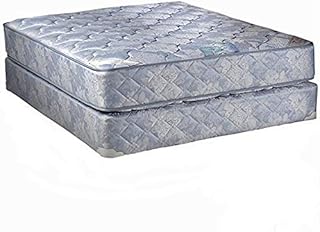
The most side-sleeper-friendly configuration in the Posturepedic Plus range, thanks to a genuinely deep pillowtop that lets the shoulder settle in while the reinforced core holds the lumbar line steady. At 15 inches it wants deep-pocket sheets, and the King footprint suits couples who want room to change position without waking each other.
Sealy Posturepedic Pro Haverford 13″ Firm Hybrid
My pick for combination sleepers who spend most of the night on their side but roll to their back. The encased coil unit responds point by point, so you get hip relief without the sinking sensation of all-foam, and the firmer tight top keeps repositioning effortless.
Sealy Dreamlife 14″ Hybrid Mattress-in-a-Box
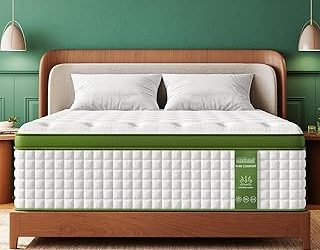
The best balance of contouring and airflow here: SealyComfort gel memory foam handles the shoulder, while responsive encased coils keep your spine from bowing. Boxed delivery makes it the practical choice for a room that a traditional pillowtop can’t reach.
Sealy Dreamlife 14″ Foam Mattress-in-a-Box
An all-foam build with a transition layer that softens the handoff between cushioning and core, which is exactly what prevents that abrupt firm-floor feeling under the hip. Lighter side sleepers and anyone sensitive to partner movement will appreciate how thoroughly it absorbs motion.
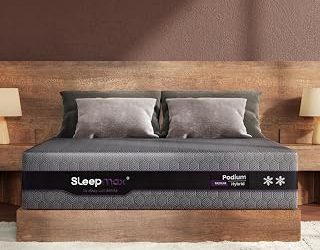
Sleepmax 14″ Queen Hybrid
A capable budget alternative with a cooling hybrid construction, CertiPUR-US certified foams, and a fiberglass-free build. The 365-night trial gives you a full seasonal cycle to judge shoulder comfort, which is more runway than most competitors offer.
Frequently Asked Questions
Is a firm Sealy mattress wrong for side sleepers?
Not necessarily. Sealy’s firmness ratings describe the support core, not the surface. A firm pillowtop such as the Glenshaw pairs a stable core with substantial cushioning, which is often ideal for side sleeping.
Should I choose a hybrid or all-foam model?
Choose a hybrid if you sleep warm, weigh more than about 200 lbs, or change positions often. Choose all-foam if motion isolation and deep contouring matter more than bounce and airflow.
Would the Fayette 13″ tight top work for side sleeping?
It’s the firmest, least cushioned option in this group, so it suits back and stomach sleepers better. Side sleepers who like it typically add a two to three inch topper.
How long before a new mattress feels right?
Allow two to four weeks. Comfort layers soften slightly with use, and your body needs time to adjust to a new spinal alignment.
Final Thoughts
For most side sleepers, the Posturepedic Plus Glenshaw pillowtop delivers the deepest shoulder relief without giving up core support, while the Posturepedic Pro Haverford hybrid is the smarter buy if you shift positions through the night. If you need boxed delivery or a tighter budget, the Dreamlife 14″ Hybrid covers nearly the same ground with better airflow.