Key takeaways
- Use a felt-and-rubber rug pad. It cuts abrasion, improves airflow, and stops the rug from creeping into a wrinkle you’ll eventually trip on.
- Rotate the rug 180 degrees twice a year so sun fade and foot traffic distribute evenly.
- Expect shedding on new wool for three to six months. It is loose fiber from spinning, not a defect.
- Point a fan at any damp area until it is bone dry. Wool holding moisture for more than 24 hours invites browning, odor, and mildew.
What's inside
Wool is the rare material that improves under use. The fiber’s natural crimp springs back after a party, its lanolin coating shrugs off spills for a few precious minutes, and the dye takes on a softer depth over years of afternoon light. In practice, almost every ruined wool rug I’ve seen was not worn out by traffic. It was damaged by an overzealous cleaning: water that was too hot, a cleaner that was too alkaline, an enzyme formula that treated a protein fiber like a protein stain, or a rented extractor that saturated a cotton foundation and left it to rot quietly from the inside.
So the goal here is restraint with a plan. Below is the maintenance rhythm that keeps a hand-knotted Persian, a flatweave kilim, a tufted wool shag, or a single sheepskin throw looking correct for decades: how to read your rug’s construction before you touch it, what dry care actually accomplishes, how to handle a spill in the first ten minutes, when a wet clean is safe to do yourself, and where the line sits for calling a specialist.
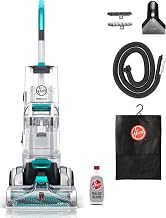
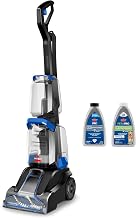
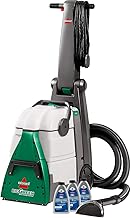
Our recommended picks for wool-safe cleaning:
As an Amazon Associate we earn from qualifying purchases.



Read the Construction Before the Stain
Flip a corner and look at the back. Visible knots on a cotton or wool warp mean a hand-knotted rug, which is durable on the surface but vulnerable at the foundation; cotton wicks, holds moisture, and browns. A latex-and-scrim backing means machine tufted, which tolerates less water still, because saturation delaminates the glue. Flatweaves have no pile to hide anything and often use unstable vegetable dyes. Sheepskin and hides are a separate category entirely, with a leather backing that stiffens if it dries too fast. Always run a colorfastness check first: press a damp white cloth into an inconspicuous area for thirty seconds and look for transfer.
Dry Care Is the Real Program
Roughly 80 percent of what dulls a wool rug is dry particulate, sand and grit that lodges in the pile and abrades fibers from below. Vacuum both sides weekly with the beater bar off or set high; on shag and sheepskin, use suction only or a hand tool, and never let a rotating brush chew fringe. Once a season, take smaller rugs outside and shake them hard, or drape them over a railing and thump the back. Between wet cleans, a dry compound like Capture Carpet & Rug Dry Cleaner powder lifts light soil and odor with essentially no moisture, which makes it the safest deep-ish refresh for antique and tufted pieces.
Handle Spills in the First Ten Minutes
Lanolin buys you time, so speed matters more than product. Scoop solids with a spoon edge, then blot from the outside in with a white towel, pressing straight down. Rubbing fractures the fiber’s scales and creates a permanent fuzzy halo. For water-based spills, cool water and patience solve most of it. For grease, food, and pet accidents, a wool-appropriate foam keeps liquid out of the foundation: Bissell Woolite Advantage Heavy Traffic Carpet Foam works well on traffic lanes and larger areas, while the Woolite Advantage Carpet & Upholstery Cleaner is the more precise choice for spot work and adjacent furniture. Rinse-blot with plain water afterward so no residue stays behind to attract new soil.
Wash Only What You Can Fully Dry
Hand-washing is reasonable for small rugs, runners, and throws you can lift, carry, and lay flat. Use cool water, never above lukewarm, and a pH-neutral wash formulated for protein fibers. Outback Gold Wool Wash is my standing recommendation because it is enzyme-free, fragrance-free, and pH neutral, which matters more than it sounds: enzymes designed to digest protein will happily digest wool, and alkaline detergents strip lanolin permanently. Work the suds gently with your hands or a soft brush, rinse until the water runs clear, press out water without wringing, and dry flat with air moving across both faces. Anything larger than you can hang, or older than you can date, goes to a rug plant with a wash floor.
Restore Pile on Sheepskin and Shag
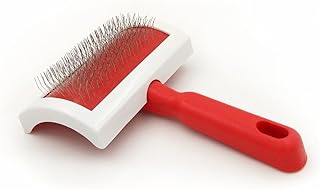
High-pile wool does not get dirty so much as matted, and the fix is mechanical rather than chemical. A dedicated tool with wide, stiff-but-blunt teeth separates clumped locks without tearing them from the hide. The CleanSheep Sheepskin Cleaning Brush and the MetU Sheepskin Rug Brush both do this job; brush in short strokes in the direction of the wool while the fleece is fully dry, then again lightly once it has been washed and air-dried.
Tips
- Use a felt-and-rubber rug pad. It cuts abrasion, improves airflow, and stops the rug from creeping into a wrinkle you’ll eventually trip on.
- Rotate the rug 180 degrees twice a year so sun fade and foot traffic distribute evenly.
- Expect shedding on new wool for three to six months. It is loose fiber from spinning, not a defect.
- Point a fan at any damp area until it is bone dry. Wool holding moisture for more than 24 hours invites browning, odor, and mildew.
Frequently Asked Questions
Can I steam clean a wool rug?
Not at home. Heat combined with agitation causes irreversible felting and shrinkage, and consumer extractors leave far more water in the foundation than they remove. Professional plants use controlled cool-water immersion and forced drying instead.
Is vinegar or baking soda safe on wool?
Diluted white vinegar is mildly acidic and generally tolerable as a rinse aid, though it can shift some dyes. Baking soda is alkaline and abrasive, and its fine grit is genuinely difficult to vacuum out of dense pile. A pH-neutral wool wash is the lower-risk option.
How do I get pet odor out?
Urine reaches the backing, so surface treatment fails. Blot heavily, flush with cool water, blot again, then use a dry compound to absorb residual odor. Repeat incidents in the same spot warrant a professional flush and decontamination.
How often does a wool rug need a deep clean?
Every 12 to 24 months in a busy household, every three to five years in a low-traffic room, assuming consistent vacuuming in between.
Conclusion
Treat a wool rug like the long-term investment it is: vacuum relentlessly, act fast on spills with cool water and a wool-safe foam, reach for a dry compound when you want a refresh without risk, hand-wash only what you can dry completely with a pH-neutral, enzyme-free formula, and hand the heirlooms to a proper rug plant. Done that way, the rug outlasts the sofa, the paint color, and probably the house.