Key takeaways
- Joint construction: Welded steel corners and interlocking wood joinery stay silent far longer than frames held together by thin L-brackets and a dozen small bolts. Fewer fasteners means fewer things to work loose.
- Slat seating: Look for U-shaped grooves, mattress baffles, or slats screwed into place. Slats that simply rest on a rail will eventually shift sideways and rub, which is the single most common source of creaking.
- Contact-point damping: Rubber or felt pads at the feet and between metal-on-metal junctions absorb the micro-movement that becomes audible noise. This is the cheapest feature to add and the easiest one for manufacturers to skip.
- Height and clearance: A 7-inch low profile suits tall mattresses, lofted rooms, and anyone who dislikes climbing into bed. A 12- or 14-inch frame buys genuinely usable underbed storage, so decide before you shop.
- Load capacity with a margin: Treat the rated figure as headroom, not a target. A frame rated well above your combined mattress and sleeper weight flexes less, and less flex means less friction.
What's inside
A bed frame reveals its true character at 3 a.m. During the showroom test — sitting, bouncing, pressing a palm into the mattress — almost everything feels solid. The trouble starts weeks later, once the hardware has settled and every shift of weight travels through a loose bolt or a slat rubbing bare steel. That thin, rhythmic creak is rarely a sign of a broken frame. It’s the sound of two hard surfaces meeting with nothing between them, amplified by a room that’s otherwise silent.
Quiet, in furniture terms, is an engineering outcome: welded or interlocking joints instead of thin brackets, rubber or felt at every contact point, slats that sit in grooves rather than resting loose on a rail. This guide gathers six frames from wood platforms to heavy-gauge steel foundations, explains what actually separates a silent bed from a noisy one, and points you toward the right pick based on ceiling height, storage needs, and how much you care about a headboard.
As an Amazon Associate we earn from qualifying purchases.



How to Choose a Quiet Bed Frame (2026)
- Joint construction: Welded steel corners and interlocking wood joinery stay silent far longer than frames held together by thin L-brackets and a dozen small bolts. Fewer fasteners means fewer things to work loose.
- Slat seating: Look for U-shaped grooves, mattress baffles, or slats screwed into place. Slats that simply rest on a rail will eventually shift sideways and rub, which is the single most common source of creaking.
- Contact-point damping: Rubber or felt pads at the feet and between metal-on-metal junctions absorb the micro-movement that becomes audible noise. This is the cheapest feature to add and the easiest one for manufacturers to skip.
- Height and clearance: A 7-inch low profile suits tall mattresses, lofted rooms, and anyone who dislikes climbing into bed. A 12- or 14-inch frame buys genuinely usable underbed storage, so decide before you shop.
- Load capacity with a margin: Treat the rated figure as headroom, not a target. A frame rated well above your combined mattress and sleeper weight flexes less, and less flex means less friction.
The Best Quiet Bed Frames (2026) Reviewed
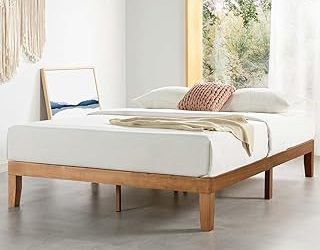
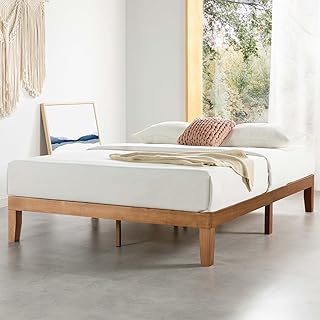
Mellow Naturalista Classic 12-Inch Solid Wood Platform Bed
Solid pine sidesteps the metal-on-metal problem entirely, and the 12-inch height leaves room for flat storage bins underneath without turning the bed into a platform you have to climb. It’s the pick for anyone who wants warm material and visible wood grain rather than a frame that disappears under bedding.
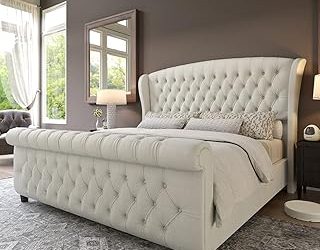
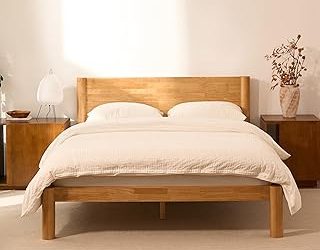
Fluest Queen Platform Bed with Velvet Upholstered Headboard
The velvet headboard does double duty here, softening the look of the room and absorbing a little sound reflection behind your pillows. Internal steel support carries the load while the upholstery keeps the whole thing from reading as budget metal furniture.
ROIL 7-Inch Low Profile Queen Bed Frame
At 7 inches with rounded-corner mattress baffles and a 3,500-pound rating, this is the frame for thick hybrid mattresses that would otherwise sit uncomfortably high. Rubber pads at every foot keep it from talking back on hardwood floors.
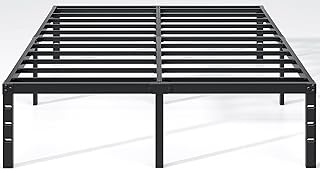
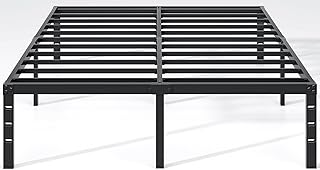
12-Inch Metal Queen Bed Frame with Underbed Storage
Six mattress baffles and U-shaped slat grooves address creaking at the source, locking each slat in position instead of letting it drift. The 12-inch clearance is the sweet spot for storage: deep enough for bins, shallow enough to stay proportional in a smaller bedroom.
JETO 14-Inch Metal Bed Frame with Storage Space
The tallest frame in this group, built for people who need real capacity beneath the bed rather than a token few inches. Heavy-duty steel and a straightforward bolt-together assembly make it a practical foundation for a guest room or a rental.
Frequently Asked Questions
Why does my bed frame squeak?
Almost always friction between two rigid parts: loose bolts, slats sliding on a rail, or bare metal legs on a hard floor. Tightening every fastener and adding felt pads at contact points resolves most cases without new furniture.
Do these frames need a box spring?
No. Each one is a complete foundation with slat support sized for foam, hybrid, or innerspring mattresses. The GRUSIGN model is the exception worth noting, since its adjustable-height slats accommodate a box spring if you already own one.
Is wood quieter than metal?
Wood is more forgiving because it doesn’t produce the sharp metallic squeak that comes from steel rubbing steel. Well-designed metal frames with grooved slat seating and rubber damping perform just as quietly, and they carry more weight.
How often should I check the hardware?
Retighten every bolt roughly six weeks after assembly, then once or twice a year. Catching a bolt as it starts to loosen prevents the wear that makes noise permanent.
Final Thoughts
For a genuinely silent bedroom, the Mellow Naturalista Classic is the most reliable choice thanks to solid pine construction with no metal joints to work against each other. If you need storage, the 12-inch metal frame’s grooved slat seating and six baffles solve creaking more thoroughly than most frames at any price, while the Fluest upholstered platform is the one to pick when the headboard matters as much as the quiet.