Key takeaways
- Material pairing: Felt adds density and cushion, natural rubber adds grip. Felt-only pads suit heavy rugs on carpet or under furniture; felt-plus-rubber is the right call for flat-weaves and hard floors where slipping is the real risk.
- Thickness versus door clearance: A 1/4″ pad disappears under doors and transitions. A 7/16″ or 1/2″ pad transforms how a thin rug feels but can bind against interior doors and make dining chairs harder to slide.
- Floor-finish safety: Avoid PVC, adhesives, and synthetic latex on hardwood, LVP, and waxed surfaces. These can haze, yellow, or bond to finish over time. Look for natural rubber or needle-punched felt instead.
- Sizing strategy: Order the pad one to two inches smaller than the rug on all sides so the edges taper cleanly to the floor. Every pad here trims with scissors or a utility knife, so sizing down from a larger cut is straightforward.
- Traffic and acoustics: High-traffic halls and stairs want grip and low profile. Bedrooms, nurseries, and apartments over neighbors want mass, which is where thicker felt earns its cost in sound absorption.
What's inside
A beautiful rug can carry an entire room, and then quietly undermine it. The corner that creeps toward the doorway, the ripple that catches a chair leg, the faint grit sound underfoot that means fibers are grinding against hardwood every time someone walks through. Most of the time the rug isn’t the problem. The problem is the two or three millimeters of nothing between it and the floor.
A rug pad is the least visible layer in a room and one of the most consequential. It sets how a rug feels underfoot, how long the pile survives, how sound moves through an open plan, and whether your floor finish still looks new in five years. This guide breaks down the materials worth knowing, the thicknesses that suit different rug weights, and six pads that hold up in real homes, from a plush 7/16″ memory foam layer to a slim felt-and-rubber workhorse for entryways and dining zones.
As an Amazon Associate we earn from qualifying purchases.


How to Choose a Rug Pad For Area Rug (2026)
- Material pairing: Felt adds density and cushion, natural rubber adds grip. Felt-only pads suit heavy rugs on carpet or under furniture; felt-plus-rubber is the right call for flat-weaves and hard floors where slipping is the real risk.
- Thickness versus door clearance: A 1/4″ pad disappears under doors and transitions. A 7/16″ or 1/2″ pad transforms how a thin rug feels but can bind against interior doors and make dining chairs harder to slide.
- Floor-finish safety: Avoid PVC, adhesives, and synthetic latex on hardwood, LVP, and waxed surfaces. These can haze, yellow, or bond to finish over time. Look for natural rubber or needle-punched felt instead.
- Sizing strategy: Order the pad one to two inches smaller than the rug on all sides so the edges taper cleanly to the floor. Every pad here trims with scissors or a utility knife, so sizing down from a larger cut is straightforward.
- Traffic and acoustics: High-traffic halls and stairs want grip and low profile. Bedrooms, nurseries, and apartments over neighbors want mass, which is where thicker felt earns its cost in sound absorption.
The Best Rug Pads For Area Rugs (2026) Reviewed
RUGPADUSA Cloud Comfort Memory Foam, 8’x10′
At 7/16″ thick, this is the pad that makes a flat, inexpensive rug feel custom. The water-resistant barrier is the practical draw for dining rooms and homes with pets, and the memory foam gives underfoot without the bottoming-out feel of cheap foam sheets.
RUGPADUSA Basics Felt, 1/4″, 8’x10′
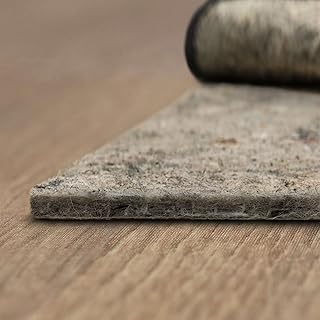
Pure 100% recycled felt with no rubber, which makes it the safest choice for delicate finishes and the best value for heavy wool or hand-knotted rugs that already stay put on their own. Skip it for lightweight flat-weaves that need active grip.
RUGPADUSA Dual Surface Felt + Rubber, 1/4″, 8’x10′
The most broadly useful pad on this list: felt for body, natural rubber for hold, and a profile slim enough to stay invisible at thresholds. This is the default recommendation for a living room rug on hardwood.
Mohawk Home Non-Slip Dual Surface Pad, 8’x10′
A 1/4″ felt-and-rubber pad made in the USA that performs close to the premium options at a friendlier price. Cushion is slightly firmer than RUGPADUSA’s version, which some people prefer under dining tables where chairs need to glide.
Jorvila Non-Slip Rug Pad Gripper, 8×10
Built for grip first, with cushioning as a bonus, making it a smart pick for thin rugs and runners that migrate constantly. Best in rooms where anchoring the rug matters more than adding loft.
Frequently Asked Questions
Do I really need a rug pad on carpet?
Yes, though for different reasons. On carpet, a dense felt pad stops the rug from wrinkling and shifting against the pile beneath it. Look for felt-only construction, since rubber grip does little on a soft surface.
What thickness should I choose?
Choose 1/4″ for most rooms, doorways, and dining areas. Move to 7/16″ or 1/2″ when the rug is thin, the floor is cold or hard, or you want meaningful sound dampening in a bedroom or upstairs space.
Will a rug pad damage my hardwood floors?
A quality pad protects them. Damage comes from PVC-based or adhesive-backed pads that react with floor finish. Natural rubber and needle-punched felt are safe on hardwood, engineered wood, tile, and vinyl.
Should the pad match my rug size exactly?
Slightly smaller is better. Aim for one inch of inset per side so the rug edge lies flat against the floor rather than sitting on a visible ridge.
Final Thoughts
For most rooms, the RUGPADUSA Dual Surface pad is the balanced answer, offering grip, cushion, and a low profile that works nearly everywhere. Choose the Cloud Comfort Memory Foam when comfort is the priority and you want a thin rug to feel far more expensive than it is, or the Mohawk Home Dual Surface pad if you want the same felt-and-rubber formula at a lower cost.