Key takeaways
- Protein and urine stains: an enzyme formula is the only thing that actually digests the residue causing the smell. GEODE’s natural enzyme cleaner and deodorizer covers this in a 32 oz bottle, with a light lavender finish rather than a chemical one.
- Set-in yellowing: a no-rinse dry foam spray sits on the surface and wipes away, which is exactly what you want on foam. The 10.14 oz mattress cleaner foam spray is built for old urine and yellow marks specifically.
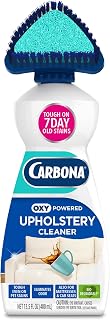
- Coffee, wine, and general grime: Carbona’s Oxy Powered Upholstery Cleaner comes with a brush-and-sponge cap and leaves no residue, which keeps you from creating a stiff patch.
What's inside
Memory foam is the quiet workhorse of the modern bedroom. It contours, it dampens motion, it makes a minimalist platform bed feel like an indulgence. But that same open-cell viscoelastic structure that cradles your hips is also a sponge — for skin cells, sweat, body oils, dust mite debris, and whatever your dog tracks in. Unlike an innerspring, it cannot be flipped, soaked, or steam-blasted back to neutral. Treat it like upholstery and you will end up with a heavy, slow-drying core that smells worse six months from now than it does today.
This guide walks through the method that actually works in 2026: a dry-first approach that lifts debris mechanically, treats stains at the surface only, neutralizes odor at the molecular level, and then dries fully before the sheets go back on. You will learn what to do in what order, which tools earn their storage space, and where the common shortcuts quietly damage the foam. Below are the products we reach for most often when putting a bedroom back together.
As an Amazon Associate we earn from qualifying purchases.



Understand What You Are Cleaning
Memory foam has no drain. Water pushed into the core has only one exit route — evaporation through the surface — and that can take days in a humid room. Prolonged dampness softens cell walls, and it invites the exact mildew problem you were trying to solve. So the operating principle for every step below is simple: as little liquid as possible, applied as shallowly as possible. Skip carpet extractors, garment steamers, and the “just throw a wet towel on it” advice. And always check your warranty card first, since many foam manufacturers void coverage on water-stained cores.
Step One: Strip and Vacuum Dry
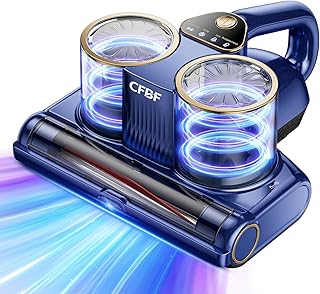
Pull everything — sheets, protector, topper — and wash it hot while you work. Then vacuum the bare mattress before a single drop of anything touches it. A dedicated bed vacuum does this better than a hose attachment because it combines high suction with a percussive head that shakes embedded debris loose from the top layer. The Teant MV-Blue runs 16 kPa suction with a 33,000 RPM tapping motor, UV-C, and a heat pass in one unit; the CFBF and FEPPO handhelds cover the same 16 kPa and 253.7nm UV-C territory at 500W if you prefer a corded double-cup or HEPA-focused build. Work in overlapping rows, slow and deliberate, then do the sides and the seams where dust collects.
Step Two: Spot-Treat, Do Not Soak
Address stains individually rather than treating the whole surface. Blot — never scrub — with a clean white cloth to lift as much as you can, then apply a targeted product to the mark alone.
- Protein and urine stains: an enzyme formula is the only thing that actually digests the residue causing the smell. GEODE’s natural enzyme cleaner and deodorizer covers this in a 32 oz bottle, with a light lavender finish rather than a chemical one.
- Set-in yellowing: a no-rinse dry foam spray sits on the surface and wipes away, which is exactly what you want on foam. The 10.14 oz mattress cleaner foam spray is built for old urine and yellow marks specifically.
- Coffee, wine, and general grime: Carbona’s Oxy Powered Upholstery Cleaner comes with a brush-and-sponge cap and leaves no residue, which keeps you from creating a stiff patch.
Test any product on a hidden corner first, and work from the outside of a stain inward to avoid spreading a ring.
Step Three: Deodorize and Sanitize
Once stains are handled, deal with the ambient smell. Baking soda remains genuinely effective and genuinely cheap: sift a thin, even layer across the whole surface, leave it for a minimum of four hours (overnight is better), then vacuum it out completely. For a sanitizing pass, the UV-C and heat functions on the mattress vacuums above target surface bacteria and dust mites without adding moisture — move slowly, since UV-C needs dwell time to matter.
Step Four: Dry Completely, Then Protect
Even light spot-cleaning leaves the surface damp. Open windows, run a fan across the mattress at an angle, and add a dehumidifier if your room runs above 50% humidity. Press a dry cloth against the treated area — if it picks up any moisture, keep waiting. Once fully dry, install a breathable waterproof protector. It is the single highest-leverage purchase in this entire process, because it turns the next spill into a laundry problem instead of a mattress problem.
Tips
- Vacuum the bare mattress monthly and deep-clean twice a year; put it on the calendar with your filter changes.
- Never flip a memory foam mattress — the comfort layer is on top by design. Rotate it 180° instead.
- Keep a foam spray in the nightstand so accidents get treated while they are still wet and shallow.
- Air the bed for 20 minutes each morning before making it, so trapped overnight moisture escapes.
Frequently Asked Questions
Can I steam clean a memory foam mattress?
No. Steam drives both heat and moisture deep into the foam, which can break down cell structure and create a core that stays damp for days. Dry vacuuming plus surface spot-treatment achieves the same hygiene outcome without the risk.
How do I get rid of old urine stains and smell?
Enzymes, not detergents. Detergent masks; enzymes break down the uric acid crystals that keep releasing odor. Apply an enzyme cleaner to the spot, let it dwell the full time on the label, blot, then finish with baking soda once dry.
Are UV-C mattress vacuums actually worth it?
The suction and tapping action are the real value — they remove far more debris than a standard vacuum attachment. UV-C and heat are useful secondary features for surface sanitizing, provided you move slowly enough for them to work.
How long should the mattress dry before I remake the bed?
Give it at least 6 to 8 hours with airflow after any wet treatment, longer in humid conditions. Sheets over a damp surface trap moisture and undo the whole job.
Conclusion
A clean memory foam mattress is a matter of sequence rather than effort: strip it, vacuum it thoroughly, treat stains at the surface with the right chemistry, deodorize with baking soda, dry it completely, and protect it going forward. Keep the moisture minimal and the schedule consistent, and the bed that anchors your bedroom will feel — and smell — the way it did the week it arrived.