Key takeaways
- Support core over surface feel: A firm mattress earns its rating from the coil unit, not the top inch. Individually pocketed springs with a zoned layout stiffen under the lumbar region while staying softer at the shoulders, which is what keeps the spine neutral instead of merely flat.
- Profile height and sleeper weight: A 12-inch build suits lighter and average frames who want minimal sink. Above roughly 200 pounds, a 13- or 14-inch hybrid gives the coils room to push back before you reach the base.
- Motion transfer for shared beds: Firm surfaces can telegraph movement if the coils are cheaply cased. Look for encased springs and a dense transition layer if one of you is a restless turner.
- Materials you can verify: CertiPUR-US certification covers foam emissions and content. Fiberglass-free construction matters too, since glass-fiber fire socks are the source of most horror stories about damaged covers.
- Trial length, not just warranty: Firm beds need three to four weeks of adjustment. A 365-night trial gives your body honest time to adapt; a 30-day window does not.
What's inside
Firmness is the most oversold word in the mattress aisle. There is no industry standard behind it, so one brand’s “firm” arrives like a gym floor while another’s has enough give to swallow a hip. Shoppers who genuinely need a supportive surface — stomach sleepers, heavier bodies, anyone whose lower back complains by 5 a.m. — end up guessing, and a wrong guess costs weeks of bad sleep before a return label gets printed.
This guide looks at firm hybrids the way a designer looks at a sofa frame: what is inside, how it holds weight over time, and whether it will still perform in year five. Below you’ll find the models worth shortlisting for 2026, a short primer on reading spec sheets without marketing noise, and answers to the questions that come up most once a box is actually in the bedroom.
As an Amazon Associate we earn from qualifying purchases.


How to Choose a Firm Mattress Ratings (2026)
- Support core over surface feel: A firm mattress earns its rating from the coil unit, not the top inch. Individually pocketed springs with a zoned layout stiffen under the lumbar region while staying softer at the shoulders, which is what keeps the spine neutral instead of merely flat.
- Profile height and sleeper weight: A 12-inch build suits lighter and average frames who want minimal sink. Above roughly 200 pounds, a 13- or 14-inch hybrid gives the coils room to push back before you reach the base.
- Motion transfer for shared beds: Firm surfaces can telegraph movement if the coils are cheaply cased. Look for encased springs and a dense transition layer if one of you is a restless turner.
- Materials you can verify: CertiPUR-US certification covers foam emissions and content. Fiberglass-free construction matters too, since glass-fiber fire socks are the source of most horror stories about damaged covers.
- Trial length, not just warranty: Firm beds need three to four weeks of adjustment. A 365-night trial gives your body honest time to adapt; a 30-day window does not.
The Best Firm Mattress Ratings (2026)s Reviewed
Firm Queen 12-Inch Hybrid with Lumbar & Hip Support
A lean, no-drama build that concentrates its reinforcement exactly where sciatic and lumbar pain tends to originate. The slim 12-inch profile also keeps sheet fit predictable and works well on platform frames where a taller mattress would swamp the headboard proportions.
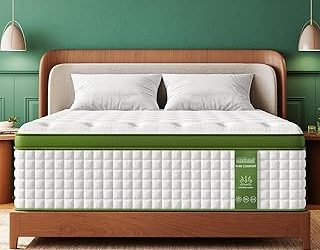
BedStory Firm Queen 14-Inch 7-Zone Hybrid
The most substantial option here, with seven distinct support zones and a fiberglass-free, CertiPUR-US certified interior. Best suited to heavier sleepers and stomach sleepers who need the hips held high rather than cradled.
BedStory 14-Inch Firm Queen, Made in USA
Effectively the domestically built sibling of the model above, pairing zoned lumbar reinforcement with a 365-night trial and ten-year warranty. Choose this one if manufacturing transparency is part of your buying criteria.
BedStory Firm Queen 12-Inch Orthopedic
Tuned for couples: low motion transfer keeps one person’s 2 a.m. shift from registering on the other side. The orthopedic-leaning feel is firm without the board-like edge some budget hybrids fall into.
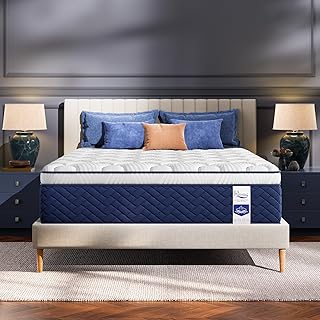
BedStory Firm 13-Inch Luxury Hybrid
The most hotel-like of the group, adding a touch of surface plushness over a firm zoned core. A smart pick if you want firm support but not a spartan feel, and the 13-inch height reads well in a styled bedroom.
Frequently Asked Questions
Is firm always better for back pain?
No. Research consistently favors medium-firm to firm for chronic low-back discomfort, but too rigid a surface leaves gaps at the lumbar curve. Zoned support usually helps more than raw stiffness.
What if firm turns out to be too much?
Consider the Medium Firm 14-Inch Hotel Collection Hybrid, which keeps 7-zone spinal alignment with a more forgiving top layer. A wool or latex topper is the other fix, and it’s reversible.
Do firm hybrids sleep hotter?
Generally cooler than all-foam. You sit higher on the surface, and the coil layer moves air rather than trapping it against your body.
How long is the break-in period?
Give a new firm hybrid two to four weeks. Foam layers soften slightly and your body recalibrates, which is precisely why a year-long trial is worth prioritizing.
Final Thoughts
For most buyers, the BedStory 14-Inch Firm Queen strikes the best balance of zoned support, certified materials, and a trial window long enough to judge fairly. Heavier sleepers should look at the 14-inch 7-zone hybrid, while the 13-inch luxury model is the pick if you want firm support with a softer, more hotel-like landing.