Key takeaways
- Face fabric first: The surface touching your sheet does most of the work. Rayon or viscose derived from bamboo moves moisture faster than standard poly microfiber, while 3D spacer knits create physical air channels. Treat vague “cooling technology” claims with suspicion unless a fiber is named.
- Fill weight over fill hype: Down-alternative fill adds plushness but also insulation. Look for lighter, quilted-through fills if you sleep hot; save the thick pillow-top loft for firm mattresses where you genuinely need cushioning.
- Measure your pocket depth: Add your mattress height plus any existing topper, then buy a skirt rated at least two inches deeper. Pads listed at 8–21 inches with 360-degree elastic stay put; short skirts pop corners and bunch under the sheet.
- Decide on waterproofing consciously: A TPU membrane protects against spills and allergens but always trades away some breathability. Choose it if you have kids, pets, or a light-colored mattress; skip it if pure airflow is the goal.
- Confirm the laundry reality: Machine-washable, dryer-safe pads get cleaned. Anything requiring cold hand-washing becomes a decorative layer you stop maintaining by month three.
What's inside
Bedrooms have gotten quieter and more tactile over the past few years — bouclé benches, unbleached linen, warm plaster walls. What hasn’t improved is what happens under the duvet. Dense foam and hybrid mattresses hold body heat the way a stone hearth holds warmth long after the fire’s out, and the average bedroom sits several degrees above the 65–68°F range sleep researchers keep pointing to. The result is a beautifully styled bed that you kick apart at 3 a.m.
A cooling mattress pad is the least disruptive fix available: it slips under your fitted sheet, adds a layer of cushion, and changes how heat and moisture move away from your body without replacing a mattress you may have just bought. This guide covers what actually drives cooling performance, where marketing language outpaces materials science, and six pads worth your attention in 2026 — from breathable bamboo-viscose quilts to waterproof protectors that don’t crinkle.
As an Amazon Associate we earn from qualifying purchases.



How to Choose a Cooling Mattress Pad (2026)
- Face fabric first: The surface touching your sheet does most of the work. Rayon or viscose derived from bamboo moves moisture faster than standard poly microfiber, while 3D spacer knits create physical air channels. Treat vague “cooling technology” claims with suspicion unless a fiber is named.
- Fill weight over fill hype: Down-alternative fill adds plushness but also insulation. Look for lighter, quilted-through fills if you sleep hot; save the thick pillow-top loft for firm mattresses where you genuinely need cushioning.
- Measure your pocket depth: Add your mattress height plus any existing topper, then buy a skirt rated at least two inches deeper. Pads listed at 8–21 inches with 360-degree elastic stay put; short skirts pop corners and bunch under the sheet.
- Decide on waterproofing consciously: A TPU membrane protects against spills and allergens but always trades away some breathability. Choose it if you have kids, pets, or a light-colored mattress; skip it if pure airflow is the goal.
- Confirm the laundry reality: Machine-washable, dryer-safe pads get cleaned. Anything requiring cold hand-washing becomes a decorative layer you stop maintaining by month three.
The Best Cooling Mattress Pads of 2026, Reviewed
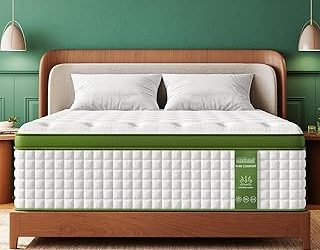
Niagara Sleep Solution Bamboo Cooling Topper
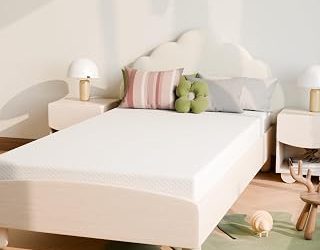
The strongest all-around pick for hot sleepers who still want a soft landing — rayon derived from bamboo over a pillow-top build gives you genuine moisture-wicking without the clammy plastic feel. The 20-inch pocket handles most hybrid mattresses, and the muted green is a welcome break from clinical white.
SLEEP ZONE Zoned Cooling Mattress Topper
Zoned construction concentrates support where your hips and shoulders press in, which makes this the smarter choice if you’re managing pressure points alongside temperature. The 8–21 inch pocket range is unusually generous, and it survives repeated washing better than most padded protectors in this tier.
OLANLY Quilted Fitted Mattress Pad
A well-executed everyday pad: breathable down-alternative fill, a 360-degree elastic skirt that grips through the night, and enough loft to soften a too-firm mattress without smothering airflow. The best value here if you want cushion and coolness rather than waterproofing.
Hanherry Waterproof 3D Air Fabric Protector
This is the one to reach for when protection is non-negotiable. The 3D air fabric layer keeps the waterproof membrane from acting like a sealed bag, and it’s genuinely noiseless — no plasticky rustle when you shift, which is where cheaper waterproof pads fail immediately.
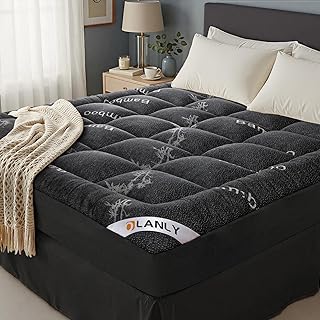
OLANLY King Bamboo Viscose Cooling Topper
The king-size counterpart to OLANLY’s quilted pad, upgraded with a bamboo-viscose face and finished in a dark gray that disappears under sheets and hides wear. Plush quilting, deep pocket, and a straightforward machine wash make it an easy default for larger beds.
Frequently Asked Questions
Do cooling mattress pads actually lower temperature?
Passive pads don’t refrigerate anything — they manage moisture and airflow so heat dissipates instead of pooling. That’s usually enough to stop night sweats, but if you want measurable cooling, you need an active water- or air-circulating system at a much higher price.
What’s the difference between a pad, a topper, and a protector?
Toppers are thick and change how a mattress feels. Protectors are thin and defend against liquid. Pads sit in between: light cushioning plus a fitted skirt. Most products above blend two of those roles, so buy for the function you care most about.
Will one fit a mattress that already has a topper?
Often yes. Measure the combined stack and choose a deep-pocket model rated above that number. Anything advertised up to 21 inches will accommodate the vast majority of layered setups.
How often should I wash it?
Every one to two months, or monthly if you sleep hot. Cold wash, low-heat dry, and skip fabric softener — it coats fibers and blunts the wicking that makes these pads work.
Final Thoughts
For most people, the Niagara bamboo topper is the right balance of breathability and comfort, with the SLEEP ZONE zoned pad the better call if pressure relief matters as much as temperature. If your bed needs to survive real life — kids, pets, morning coffee — the Hanherry waterproof protector delivers that insurance without turning your mattress into a sauna.