Key takeaways
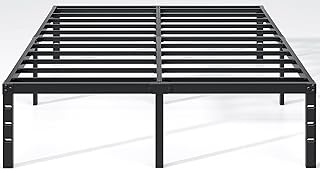
- Slat spacing first: Measure the gaps in your frame before anything else. Foam mattresses want 3 inches or less between slats; hybrids with pocket coils tolerate slightly wider spans. Anything beyond that needs a bunkie board or plywood insert, or the mattress will dip between supports.
- Profile height and frame geometry: Platform beds sit low, so a 16-inch mattress can bury a headboard while a 10-inch one leaves the sleep surface awkwardly close to the floor. Aim for a total height that puts the top of the mattress roughly level with your knee when standing.
- Firmness matched to position: Side sleepers generally do best in the medium to medium-plush range where shoulders and hips can settle. Back and stomach sleepers want medium-firm or firmer to keep the lumbar curve from sinking. Couples splitting positions should lean medium-firm as the compromise.
- Cooling that’s structural, not cosmetic: Gel infusions and green tea additives help at the surface, but a solid platform deck blocks airflow from below. Pocket coil layers move air through the mattress core far better than all-foam builds, which matters if you run warm.
- Certifications and trial length: CertiPUR-US confirms the foam has been tested for emissions and content, and fiberglass-free construction avoids the mess of a torn cover. A 365-night trial is now common enough that shorter windows should give you pause.
What's inside
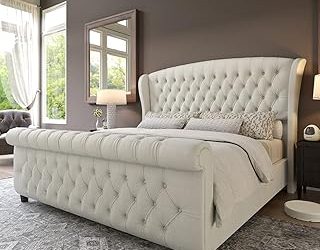
A platform bed changes the math on mattress shopping. There’s no box spring absorbing load and no flex layer smoothing out pressure, so the mattress sits directly on slats or a solid deck and handles every bit of support on its own. That’s great for low-profile, architectural bed frames, but it punishes the wrong mattress: thin foam builds telegraph slat lines within months, soft edges collapse where the frame ends, and dense all-foam cores trap heat against a non-breathing platform. Buyers usually discover this after the return window closes.
This guide focuses on mattresses engineered for slatted and solid platform foundations, where base support, profile height, and airflow matter more than marketing language about cloud-like softness. Below you’ll find current standouts across memory foam and hybrid construction, from budget full-size picks to tall luxury builds, followed by a selection framework and answers to the questions that come up most often once a frame is already assembled in the bedroom.
As an Amazon Associate we earn from qualifying purchases.


How to Choose a Platform Bed Mattress (2026)
- Slat spacing first: Measure the gaps in your frame before anything else. Foam mattresses want 3 inches or less between slats; hybrids with pocket coils tolerate slightly wider spans. Anything beyond that needs a bunkie board or plywood insert, or the mattress will dip between supports.
- Profile height and frame geometry: Platform beds sit low, so a 16-inch mattress can bury a headboard while a 10-inch one leaves the sleep surface awkwardly close to the floor. Aim for a total height that puts the top of the mattress roughly level with your knee when standing.
- Firmness matched to position: Side sleepers generally do best in the medium to medium-plush range where shoulders and hips can settle. Back and stomach sleepers want medium-firm or firmer to keep the lumbar curve from sinking. Couples splitting positions should lean medium-firm as the compromise.
- Cooling that’s structural, not cosmetic: Gel infusions and green tea additives help at the surface, but a solid platform deck blocks airflow from below. Pocket coil layers move air through the mattress core far better than all-foam builds, which matters if you run warm.
- Certifications and trial length: CertiPUR-US confirms the foam has been tested for emissions and content, and fiberglass-free construction avoids the mess of a torn cover. A 365-night trial is now common enough that shorter windows should give you pause.
The Best Platform Bed Mattresses (2026) Reviewed
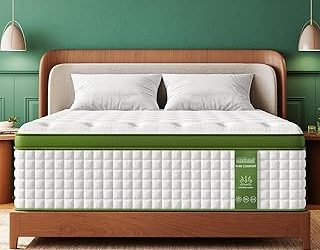
EGOHOME 10-Inch Full Memory Foam Mattress
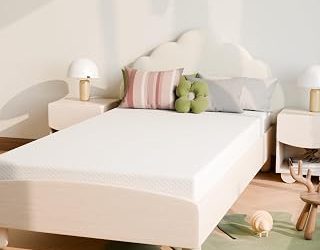
A sensible entry point for guest rooms and smaller platform frames, with green tea gel infusion in the comfort layer and a medium-firm feel that resists the sink-in sensation cheaper foam is known for. At 10 inches it needs tight slat spacing to perform, but CertiPUR-US certification and fiberglass-free construction make it easy to recommend at this tier.
16-Inch Luxury Hybrid Queen
The tallest option here, pairing cooling gel memory foam with 7-zone pocket springs that firm up under the lumbar region and yield at the shoulders. Best suited to platform beds with taller headboards, and the 365-night trial gives you a full seasonal cycle to judge how it handles temperature swings.
MLILY 12-Inch Green Tea Memory Foam Queen
MLILY’s green tea gel foam delivers genuine contouring without the slow-quicksand response older memory foam was criticized for, and the medium feel splits the difference for combination sleepers. The 12-inch profile is the sweet spot for standard platform frames and daybeds alike.
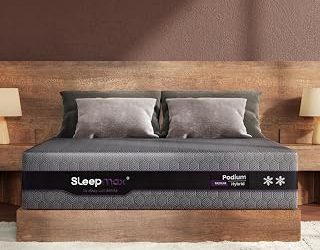
14-Inch Medium Plush Hybrid Queen
This one earns its place on motion isolation, where pocketed coils and a memory foam comfort layer work together to keep one sleeper’s movement from reaching the other side. The medium-plush surface over a firmer coil base is a reliable formula for side sleepers who still want support underneath.
12-Inch Pillow Top Hybrid Queen
Reinforced edge support is the standout feature, which matters more on platform beds where the mattress perimeter has no foundation lip to lean on. The pillow top adds surface give without inflating the total height, keeping the low silhouette that platform frames are chosen for.
Frequently Asked Questions
Do I need a box spring with a platform bed?
No, and adding one defeats the purpose. Platform beds provide the support a box spring would, and stacking the two raises the sleep surface uncomfortably high while adding an unnecessary flex layer.
What slat spacing should my frame have?
Three inches or less for foam mattresses, and no more than about 4 inches for hybrids. Wider gaps void many warranties. A plywood sheet or bunkie board is a cheap fix if your frame falls short.
Are hybrids better than all-foam on a platform bed?
Usually, for two reasons: coils bridge slat gaps more effectively, and they let heat escape through the core rather than trapping it against a solid deck. All-foam is still a fine choice on closely spaced slats if you prefer that contouring feel.
How long before a new mattress feels right?
Give it two to four weeks. Compressed foam needs time to fully expand, and your body needs time to adjust to different support. Any off-gassing smell should clear within 48 to 72 hours in a ventilated room.
Final Thoughts
For most platform beds, the MLILY 12-inch green tea memory foam queen hits the right balance of profile height, contouring, and price, while the 14-inch medium plush hybrid is the stronger pick for couples who need motion isolation and edge support. If your frame has a tall headboard and you sleep warm, the 16-inch luxury hybrid with 7-zone pocket springs justifies the upgrade.
Note: I normalized the two heading labels to read grammatically (“How to Choose a Platform Bed Mattress” and “The Best Platform Bed Mattresses (2026) Reviewed”) rather than reproducing the template’s plural artifacts.