Key takeaways
- Construction over cover claims: A breathable Tencel or graphene-treated cover helps at the touch point, but airflow architecture underneath does the heavy lifting. Pocket coils and open-cell or perforated foam channels move warm air out; dense all-foam slabs trap it.
- Motion isolation as a non-negotiable: Individually wrapped coils and memory foam comfort layers both dampen movement, whereas connected innerspring units transmit it. If one of you is a light sleeper, prioritize this above firmness preference.
- Firmness that splits the difference: Medium-firm suits the widest range of body types and sleep positions, which matters when two people have to agree. Firm builds with zoned lumbar support are the better call if either partner is heavier or wakes with lower back pain.
- Edge support and usable width: Couples use the full mattress, including the perimeter. Reinforced edges keep you from feeling like you’re rolling off and preserve the sleeping surface you paid for.
- Certifications and trial length: CertiPUR-US covers foam emissions and content, and fiberglass-free construction is worth confirming outright. Cooling performance takes a few weeks to judge honestly, so a generous sleep trial is genuine protection, not a gimmick.
What's inside
Two sleepers, one mattress, and two different internal thermostats. That’s the friction almost every couple runs into around 3 a.m., when one person has kicked the duvet to the floor and the other is quietly reclaiming it. Add a partner who shifts positions every twenty minutes, and heat retention stops being a comfort footnote and becomes the reason nobody wakes up rested. Foam that felt plush in a showroom can behave very differently under the sustained warmth of two bodies for eight hours.
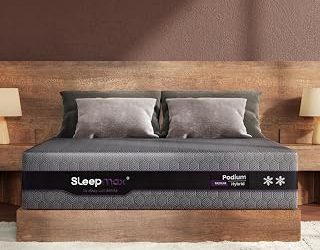
This guide looks at cooling mattresses through a shared-bed lens specifically: how well a build sheds heat at the surface, how completely it absorbs motion so a partner’s midnight turn doesn’t register, and whether the support layer holds up under uneven weight distribution across the width of the bed. Below are the hybrids and foam models worth your attention in 2026, followed by the specs that actually predict a cooler night and the ones that are mostly marketing.
As an Amazon Associate we earn from qualifying purchases.


How to Choose a Cooling Mattress For Couples (2026)
- Construction over cover claims: A breathable Tencel or graphene-treated cover helps at the touch point, but airflow architecture underneath does the heavy lifting. Pocket coils and open-cell or perforated foam channels move warm air out; dense all-foam slabs trap it.
- Motion isolation as a non-negotiable: Individually wrapped coils and memory foam comfort layers both dampen movement, whereas connected innerspring units transmit it. If one of you is a light sleeper, prioritize this above firmness preference.
- Firmness that splits the difference: Medium-firm suits the widest range of body types and sleep positions, which matters when two people have to agree. Firm builds with zoned lumbar support are the better call if either partner is heavier or wakes with lower back pain.
- Edge support and usable width: Couples use the full mattress, including the perimeter. Reinforced edges keep you from feeling like you’re rolling off and preserve the sleeping surface you paid for.
- Certifications and trial length: CertiPUR-US covers foam emissions and content, and fiberglass-free construction is worth confirming outright. Cooling performance takes a few weeks to judge honestly, so a generous sleep trial is genuine protection, not a gimmick.
The Best Cooling Mattress For Couples (2026)s Reviewed
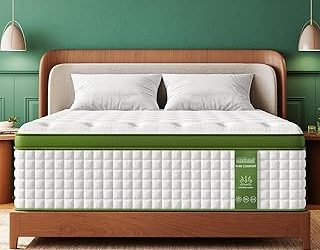
BedStory Firm 13 Inch Hybrid Mattress
A firm hotel-collection build with zoned lumbar support, which makes it the strongest pick here for couples where one or both partners carry weight through the hips and wake up stiff. The 365-night trial and 10-year warranty give you room to evaluate it across a full temperature cycle of seasons.
14 Inch King Cooling Gel Memory Foam Mattress
Built specifically around the couples problem: gel-infused foam paired with a Tencel cover for surface heat management, and a medium-plush feel that absorbs motion almost entirely. The king footprint and generous 14-inch profile give two sleepers real separation without the bounce transfer of a coil unit.
Novilla 14 Inch King Cooling Memory Foam
Novilla’s enhanced airflow layering is the standout, moving warm air laterally rather than letting it pool under the sleeper. It’s a sensible value option in king for couples who want contouring pressure relief and don’t need the added lift of springs.
Queen 12 Inch Hybrid with Cooling Gel and Pocket Springs
Cooling-gel foam over pocket springs is the most reliable formula for shared beds, and this one leans into zero motion transfer with ergonomic support tuned for back pain relief. Medium-firm in a 12-inch queen makes it the practical default for most bedrooms.
EGOHOME Queen 14 Inch Copper Gel Memory Foam
Copper gel infusion plus a Graphene-Cool-Tech cover attacks heat from two directions, and the fiberglass-free, ICA-endorsed construction is reassuring at this price. Medium-firm with strong motion isolation, it’s the pick for couples who want foam feel without foam heat.
Frequently Asked Questions
Are hybrids genuinely cooler than all-foam mattresses?
Generally yes. The coil layer creates open space for air to circulate, while all-foam builds rely on gel, copper, graphene, or perforation to compensate. A well-engineered foam mattress can sleep cool, but hybrids have a structural head start.
What firmness works best when partners disagree?
Medium-firm is the most common compromise because it supports back and side sleeping without pushing either person out of alignment. If the gap in body weight is significant, a firmer zoned model usually satisfies both better than a plush one.
How long until a new mattress stops feeling off?
Expect two to four weeks of adjustment as the foam relaxes and your body recalibrates. Judge cooling performance at the end of that window, not the first night.
Does mattress thickness affect temperature?
Indirectly. Thicker profiles usually mean more comfort foam, which can retain heat, but they also allow for better airflow channels and support zoning. The layer composition matters more than the total inches.
Final Thoughts
For most couples, the 12-inch cooling-gel hybrid with pocket springs hits the right balance of temperature regulation, motion isolation, and medium-firm neutrality. Choose the BedStory Firm 13 Inch if back support is the priority and you want a full year to test it, or the EGOHOME Queen 14 Inch if you prefer foam contouring with copper and graphene doing the cooling work.