Key takeaways
- Rigidity over bounce: Look for welded steel or fixed wood slats, not coils. Hybrids need a flat, unyielding plane so their own springs can do the compressing.
- Slat gap: Keep spacing at or under 3 inches. Wider gaps let foam layers settle between supports, which shows up as body impressions within a year.
- Profile and total height: A 12-inch hybrid on a 9-inch base plus a bed frame can put your mattress top near 30 inches. Measure first, then choose 4, 5, 9, or 10 inches accordingly.
- Load capacity: A queen hybrid alone can run 100 to 150 pounds. Bases rated near 3,000 pounds give you real margin for two sleepers plus the mattress.
- Assembly and noise control: Tool-free folding designs and pre-attached fabric covers cut setup to minutes and, critically, keep steel from grinding against steel.
What's inside
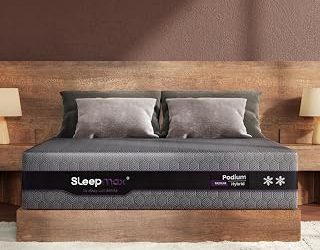
Hybrid mattresses changed the math on foundations. A coil-and-foam build is heavier than an all-foam bed, denser than the innerspring it replaced, and far less forgiving of a sagging base. Set one on a tired traditional box spring — the kind with actual springs inside — and the coil unit starts fighting a surface that flexes instead of holding still. You feel it as a dip under the hips, hear it as a creak at 3 a.m., and read about it later in the fine print of a voided warranty.
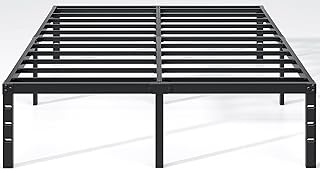
What a hybrid actually wants is a rigid platform: closely spaced slats or a welded steel grid that spreads weight evenly and does not move. This guide covers the foundations worth buying in 2026, from low-profile metal frames that keep a bed visually grounded to solid wood bases built the old way. Below, we break down the specs that matter, then review the standouts.
As an Amazon Associate we earn from qualifying purchases.


How to Choose a Box Spring For Hybrid Mattress (2026)
- Rigidity over bounce: Look for welded steel or fixed wood slats, not coils. Hybrids need a flat, unyielding plane so their own springs can do the compressing.
- Slat gap: Keep spacing at or under 3 inches. Wider gaps let foam layers settle between supports, which shows up as body impressions within a year.
- Profile and total height: A 12-inch hybrid on a 9-inch base plus a bed frame can put your mattress top near 30 inches. Measure first, then choose 4, 5, 9, or 10 inches accordingly.
- Load capacity: A queen hybrid alone can run 100 to 150 pounds. Bases rated near 3,000 pounds give you real margin for two sleepers plus the mattress.
- Assembly and noise control: Tool-free folding designs and pre-attached fabric covers cut setup to minutes and, critically, keep steel from grinding against steel.
The Best Box Springs For Hybrid Mattress (2026) Reviewed
9-Inch Heavy Duty Metal Box Spring, Queen
This is the workhorse pick: a 3,000-pound-rated steel grid wrapped in a fabric cover, sized to replace a conventional box spring one-for-one without changing your bed frame’s look. The high profile suits anyone who wants easy in-and-out height, and the same design is available in a 10-inch version if you’re pairing it with a slim hybrid and want more presence under the bed.
Zinus Walter Standard Profile Smart Box Spring
Zinus builds the Walter around wood slat support inside a steel perimeter, which is close to ideal geometry for a hybrid’s coil unit. Standard profile keeps the silhouette low and tailored, and assembly is genuinely quick — the kind of base that disappears under a bedskirt and stays quiet for years.
Amazon Basics 9-Inch Smart Box Spring
The value choice, and a surprisingly competent one. Tool-free assembly, a clean white finish, and a full 9 inches of height make it a direct swap for an aging box spring, though the steel is lighter gauge than the heavy-duty options above — fine for most sleepers, less so for the top end of the weight range.
Greaton 4-Inch Wood Box Spring, 2-Piece
Amish-made in the USA, fully assembled, and split into two pieces that walk up a tight staircase without drama. Solid wood construction delivers the flattest, most stable surface here, and the low 4-inch profile is the right call under a thick hybrid where a taller base would push the mattress uncomfortably high.
EMODA 5-Inch Box Spring, Queen
Designers reaching for a low, modern bed line should start here: 5 inches of black fabric-covered steel with the same 3,000-pound rating as the tall models, plus non-slip surfacing to keep a heavy hybrid from creeping. It reads as part of the frame rather than a separate layer.
Frequently Asked Questions
Does a hybrid mattress need a box spring?
It needs firm, even support — which a modern metal or wood-slat “box spring” provides. What it does not need is a traditional coil box spring, which flexes under load and can cause premature sagging.
Will the wrong foundation void my warranty?
Often, yes. Most hybrid manufacturers specify maximum slat spacing and, for queen and larger, a center support leg. Check your warranty language before you buy and keep the receipt for your base.
What height should I choose?
Add your mattress depth to the base height plus any frame. A mattress top between 24 and 27 inches suits most adults. Choose 4 or 5 inches for thick hybrids, 9 or 10 inches for slimmer ones or platform-free setups.
Can I put a hybrid directly on the floor or a slatted frame?
A well-built slatted frame with narrow gaps works fine. Floor placement traps moisture against the foam layers and invites mildew, so it’s a short-term solution at best.
Final Thoughts
For most hybrid owners, the Zinus Walter hits the best balance of slat support, low profile, and painless setup. If you want maximum structure and don’t mind spending a little more, the Greaton 4-Inch Wood Box Spring is the most stable surface in this group, while the EMODA 5-Inch is the pick for a low, contemporary bed that still needs serious load capacity.