Key takeaways
- Slat spacing: Aim for gaps of three inches or less. Memory foam has no internal coil unit to bridge open space, so wide-set slats create pressure ridges you will feel through the top layer within months.
- Profile height: Measure before you order. A 7-inch foundation replaces a traditional box spring inside a standard bed frame, while a 4-inch model suits platform beds, storage frames, and anyone who wants a lower overall stack.
- Weight capacity and steel gauge: Look for a rated capacity in the 3,000-pound range and welded joints rather than pressed tabs. Capacity is a proxy for gauge, and heavier gauge is what keeps a foundation flat over years, not just on day one.
- Grip and silence: Foam slides on bare metal. Non-slip strips along the slats and rubber or felt feet stop both mattress creep and the metallic tick that develops as fasteners settle.
- Cover and assembly: A fitted fabric cover hides the frame and keeps dust off the underside. Tool-free or single-wrench assembly under 20 minutes is standard now, so treat a complicated build as a red flag.
What's inside
Memory foam rewards a flat, unyielding base and punishes anything else. Set a foam mattress on a vintage coil box spring and the springs act like a bad translator: they flex, the foam follows, and within a season you are sleeping in a shallow trough that no amount of rotating will fix. Sagging is only half the problem. Most foam brands write slat spacing directly into their warranty terms, so a base with too much daylight between supports quietly voids your coverage while it deforms the comfort layers.
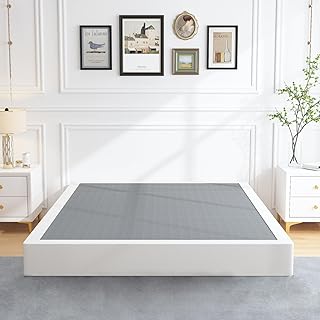
What foam actually wants is a low-profile steel foundation with tight slat spacing, a rigid perimeter, and enough capacity to carry sleepers plus a dense mattress without creaking. This guide covers the metal box springs worth considering in 2026, the specs that separate a real foundation from a decorative frame, and how to match profile height to the bed frame you already own.
As an Amazon Associate we earn from qualifying purchases.




How to Choose a Box Spring for a Memory Foam Mattress (2026)
- Slat spacing: Aim for gaps of three inches or less. Memory foam has no internal coil unit to bridge open space, so wide-set slats create pressure ridges you will feel through the top layer within months.
- Profile height: Measure before you order. A 7-inch foundation replaces a traditional box spring inside a standard bed frame, while a 4-inch model suits platform beds, storage frames, and anyone who wants a lower overall stack.
- Weight capacity and steel gauge: Look for a rated capacity in the 3,000-pound range and welded joints rather than pressed tabs. Capacity is a proxy for gauge, and heavier gauge is what keeps a foundation flat over years, not just on day one.
- Grip and silence: Foam slides on bare metal. Non-slip strips along the slats and rubber or felt feet stop both mattress creep and the metallic tick that develops as fasteners settle.
- Cover and assembly: A fitted fabric cover hides the frame and keeps dust off the underside. Tool-free or single-wrench assembly under 20 minutes is standard now, so treat a complicated build as a red flag.
The Best Box Springs for Memory Foam Mattresses (2026), Reviewed
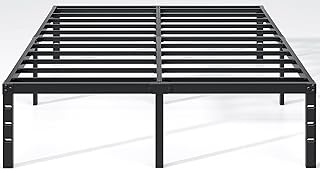
SHOANED 7 Inch Queen Box Spring
The most direct swap for a worn coil box spring, with a full 7-inch profile that keeps your bed at its original height and a 3,000-pound rating that holds firm under dense all-foam builds. Closely set steel slats and a fully welded perimeter make this the safest default for anyone who cares about warranty compliance.
Zinus Walter Standard Profile Smart Box Spring
Zinus pairs a steel frame with wood slat support, which gives the deck a touch more give than all-metal designs without ever crossing into springiness. It ships flat, assembles in minutes, and remains the pick for buyers who want a recognized name behind the foundation.
MAF Queen Box Spring with Cover
A 3,500-pound rating, the highest here, plus rounded corners that spare your shins and your sheets. The included cover fits neatly enough to pass for an upholstered foundation, making this the strongest choice for heavier sleepers and shared beds.
ALDRICH 7 Inch Box Spring Queen
ALDRICH focuses on the details that show up after month six: a wipe-clean removable cover, non-slip slat surfaces, and hardware that stays quiet as the frame settles. Solid value if you want a 7-inch foundation you can actually keep looking presentable.
Vehowy 4 Inch Box Spring Queen
The low-profile option, built for platform frames and rooms where a tall bed feels overbearing. You get the same rigid steel deck and fabric cover in a slimmer package, which is ideal under thicker 12-inch-plus foam mattresses that already add height.
Frequently Asked Questions
Does memory foam need a box spring at all?
Not a traditional coil one. It needs a rigid foundation, which is exactly what these steel box springs provide. If your bed frame already has closely spaced slats and center support, you may not need anything else.
Can I reuse my old coil box spring?
Technically yes, practically no. Coil units flex under foam and often fall outside manufacturer support requirements, which puts your warranty at risk.
Should I choose 4 inches or 7 inches?
Choose 7 inches when replacing a box spring inside a standard frame, and 4 inches for platform beds or a lower total mattress height.
Do I still need a bed frame?
Most of these foundations sit on legs and can be used alone, though a frame adds a headboard mount and a more finished look.
Final Thoughts
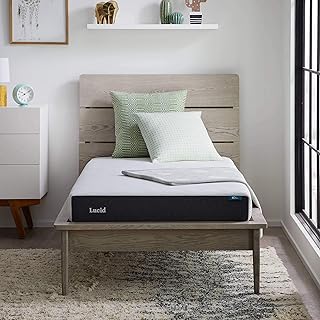
For most queen setups the SHOANED 7 Inch is the cleanest replacement for a tired coil box spring, while the MAF 3,500-pound model earns the nod for heavier or shared beds. If you are working with a platform frame or a thick foam mattress, the Vehowy 4 Inch keeps the whole bed in proportion, and pairing any of them with a foam mattress like the Lucid 6″ Gel Memory Foam gives you a complete, correctly supported sleep system.