Key takeaways
- Foam versus hybrid: All-foam beds contour closely and silence movement, which suits side sleepers and light-sleeping couples. Hybrids layer foam over pocketed coils for lift and airflow, a better fit for back and stomach sleepers, heavier bodies, and anyone who dislikes the sinking sensation.
- Profile height: Eight inches is efficient and works well for guest rooms, bunks, and platform frames where you don’t want the mattress swallowing your headboard. Twelve inches gives you room for a proper comfort layer plus support core, and reads more substantial with thicker bedding.
- Certifications and cover construction: CertiPUR-US covers foam emissions and content. Separately, look for explicit fiberglass-free language, since glass-fiber fire barriers can shed if a cover is unzipped. A removable, washable cover is worth prioritizing.
- Cooling that’s structural, not just marketing: Gel infusions help at the surface. Open-cell foam, ventilated layers, and coil units do more, because they move air through the mattress rather than absorbing heat at the top.
- Edge support and motion isolation: If you share a bed or sleep near the perimeter, reinforced edges and individually wrapped coils change daily use more than any comfort-layer claim. Foam beds win on motion transfer; hybrids win on usable surface area.
What's inside
Buying a mattress used to mean an afternoon of awkward showroom lie-downs under fluorescent light. Now it means scrolling a wall of near-identical listings, all promising cooling gel, pressure relief, and a medium-firm feel that somehow suits everyone. The compression-and-ship model genuinely democratized good sleep, but it also flattened the differences between products that behave very differently once they’re unrolled in your bedroom. Foam density, coil gauge, cover construction, and edge reinforcement rarely make the bullet points, yet they decide whether a bed still feels supportive in year three.
This guide approaches boxed mattresses the way we approach any specified piece: by construction, materials, and how it lives in a real room. Below you’ll find six current standouts spanning all-foam and hybrid builds in full and queen sizes, with notes on who each one actually suits. We’ve also included a short framework for reading spec sheets critically, so you can evaluate any listing, not just the ones here.
As an Amazon Associate we earn from qualifying purchases.


How to Choose a Boxed Mattress (2026)
- Foam versus hybrid: All-foam beds contour closely and silence movement, which suits side sleepers and light-sleeping couples. Hybrids layer foam over pocketed coils for lift and airflow, a better fit for back and stomach sleepers, heavier bodies, and anyone who dislikes the sinking sensation.
- Profile height: Eight inches is efficient and works well for guest rooms, bunks, and platform frames where you don’t want the mattress swallowing your headboard. Twelve inches gives you room for a proper comfort layer plus support core, and reads more substantial with thicker bedding.
- Certifications and cover construction: CertiPUR-US covers foam emissions and content. Separately, look for explicit fiberglass-free language, since glass-fiber fire barriers can shed if a cover is unzipped. A removable, washable cover is worth prioritizing.
- Cooling that’s structural, not just marketing: Gel infusions help at the surface. Open-cell foam, ventilated layers, and coil units do more, because they move air through the mattress rather than absorbing heat at the top.
- Edge support and motion isolation: If you share a bed or sleep near the perimeter, reinforced edges and individually wrapped coils change daily use more than any comfort-layer claim. Foam beds win on motion transfer; hybrids win on usable surface area.
The Best Boxed Mattress (2026)s Reviewed
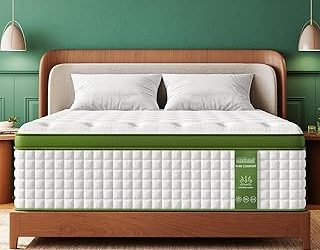
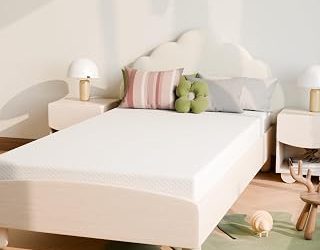
EGOHOME 8 Inch Green Tea Memory Foam, Full
A lean, well-behaved all-foam bed at a profile that keeps low platform frames and daybeds looking intentional rather than overstuffed. The green tea and gel-infused layers do a credible job of taking the edge off heat retention, and the medium-firm response suits guest rooms, teen bedrooms, and anyone who wants contouring without a deep hug.
Novilla 12 Inch Gel Memory Foam Queen
Novilla’s build is the classic three-layer foam formula executed cleanly: a gel comfort layer, transitional foam, and a dense base that holds its shape at the shoulders and hips. It’s the pick for side sleepers and couples who prioritize quiet, near-total motion isolation over bounce.
FATHOM Medium 12 Inch Memory Foam Queen
FATHOM leans into lumbar support, with a firmer transition layer that keeps the spine from dipping, which is why it’s a sensible option for chronic lower-back complaints. The removable, fiberglass-free cover is the quiet standout here, since washability is the single most underrated feature in boxed bedding.
12 Inch Hybrid Pocket Spring Queen
This hybrid pairs CertiPUR-US foam with an independently wrapped coil unit, giving you responsive lift instead of slow-sinking foam. Airflow through the spring layer makes it the stronger choice for hot sleepers and warm climates, and it’s easier to move on and off than an all-foam bed of the same height.
12 Inch Hybrid Pillow Top Queen, Medium Firm
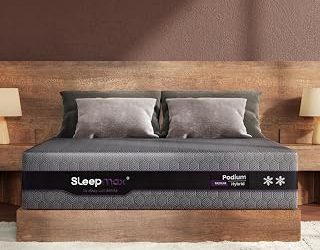
The pillow top adds a plush surface without giving up the structural support of pocket springs beneath, a combination that flatters a styled bed with layered linens. Reinforced edges and genuine motion isolation make it the most complete pick for couples with different sleep positions.
Frequently Asked Questions
How long does a boxed mattress take to expand?
Most reach usable shape within a few hours and full loft in 24 to 72 hours. Unroll it on the frame you intend to use, allow airflow, and expect a faint off-gassing smell that clears within a couple of days.
Do I need a box spring?
No. Boxed mattresses are designed for solid platforms or slatted frames, with slats ideally spaced under three inches apart. Wider gaps allow sagging and can void warranty coverage.
Is medium firm really right for most people?
It’s the safest default because it supports back and combination sleepers while remaining tolerable for side sleepers. Dedicated side sleepers often prefer a softer surface; stomach sleepers and heavier bodies usually want firmer.
Foam or hybrid for a warm bedroom?
Hybrid. Coil units create vertical airflow that gel-infused foam alone can’t match, and the firmer surface means less body-hugging contact overall.
Final Thoughts
For a versatile main bed, the 12 inch hybrid pillow top queen delivers the best balance of plushness, edge support, and temperature control. Side sleepers and quiet-bed seekers should look at the Novilla 12 inch gel memory foam queen, while the EGOHOME 8 inch green tea full remains the smart specification for guest rooms and lower-profile frames.