Key takeaways
- Hose length and reach: A stair run needs at least six to eight feet of usable hose so the machine can rest on a landing while you work. Short hoses force you to reposition every two or three treads, which is where most people quit halfway.
- Suction strength: Extraction matters more than spray. Look for figures in the 15–18kPa range; strong recovery pulls dirty solution back out instead of leaving it to wick upward and resurface as a ring a day later.
- Heat or steam capability: Warm water breaks down the oils in tracked-in soil and pet accidents far more effectively than cold. Heated or steam-assisted models cut scrubbing time noticeably on older stains.
- Tool head width: A narrow three-inch tool fits the tread-to-riser corner and works around spindles and stringers. Wide heads sound efficient but skip exactly the edges that show wear first.
- Tank size and handling: Small tanks mean more trips to the sink; oversized tanks mean carrying weight up steps. For a standard flight, mid-capacity with a wide-mouth opening for easy emptying is the practical middle ground.
What's inside
Stairs are the hardest-working textile in a home and the least forgiving. Every tread absorbs the grit tracked in from outside, every riser catches the splash of a spilled mug, and the nosing — that curved front edge — takes the brunt of foot traffic until the pile flattens into a permanent shadow. Because stairs sit at the visual center of most floor plans, that wear reads instantly. A hallway can hide a dull patch. A staircase cannot.
The complication is mechanical. Full-size upright extractors are built for open floors, not for balancing on an eight-inch tread, and household vacuums lift dry soil but leave the bonded residue behind. This guide looks at the machines that actually work on vertical geometry: compact extractors with long hoses, heated-water systems that loosen set-in stains, and hybrid uprights whose detachable tools handle stairs without dragging the whole body up with you. Below are the current standouts, followed by the specifications worth weighing before you buy.
As an Amazon Associate we earn from qualifying purchases.




How to Choose a Carpet Stair Cleaner (2026)
- Hose length and reach: A stair run needs at least six to eight feet of usable hose so the machine can rest on a landing while you work. Short hoses force you to reposition every two or three treads, which is where most people quit halfway.
- Suction strength: Extraction matters more than spray. Look for figures in the 15–18kPa range; strong recovery pulls dirty solution back out instead of leaving it to wick upward and resurface as a ring a day later.
- Heat or steam capability: Warm water breaks down the oils in tracked-in soil and pet accidents far more effectively than cold. Heated or steam-assisted models cut scrubbing time noticeably on older stains.
- Tool head width: A narrow three-inch tool fits the tread-to-riser corner and works around spindles and stringers. Wide heads sound efficient but skip exactly the edges that show wear first.
- Tank size and handling: Small tanks mean more trips to the sink; oversized tanks mean carrying weight up steps. For a standard flight, mid-capacity with a wide-mouth opening for easy emptying is the practical middle ground.
The Best Carpet Stair Cleaners (2026) Reviewed
18Kpa Deep Cleaner Machine for Rugs, Stairs and Upholstery
A capable all-rounder that pairs strong 18Kpa extraction with a spot-cleaning tool sized for treads, car seats and sofa cushions alike. It earns its place on set-in dirt, where the combination of spray, agitation and firm recovery does the work that vacuuming alone never finishes.
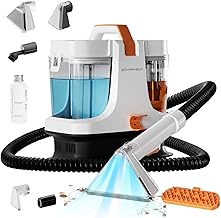
Starrybot Portable Carpet Cleaner with Steam
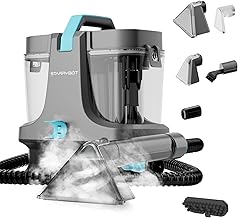
The steam and heating system is the differentiator here, softening dried pet messes and old traffic marks before extraction rather than fighting them cold. Compact enough to sit on a landing without wobbling, and the gray colorway is easier to live with than most cleaning equipment.
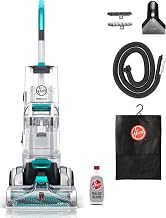
Hoover PowerScrub Deluxe Carpet Cleaner
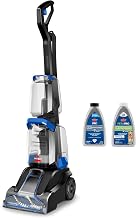
The strongest choice for homes with stairs plus significant carpeted floor area, thanks to SpinScrub counter-rotating brushes and HeatForce drying that shortens the wait before the flight is walkable. The included pet and upholstery tools are what make it viable on treads rather than floors only.
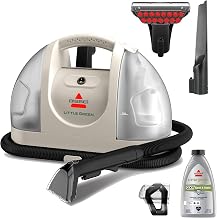
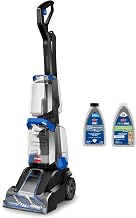
BISSELL Little Green 3353D
The reference point in portable extraction, and still the machine most people should start with. Light enough to carry up a flight one-handed, with specialty tools that reach stair edges and stair nosings cleanly; the Amazon-exclusive colorway is a cosmetic bonus on an already proven design.
Uwant Carpet Cleaner with Steam and Hot/Cold Water System
The most technically ambitious option, offering steam plus selectable hot and cold water alongside 18Kpa suction. The cold setting matters more than it sounds: protein stains from pets set permanently under heat, so having both temperatures gives you the right tool for each mess.
Frequently Asked Questions
How often should carpeted stairs be deep cleaned?
Every three to six months for most households, and quarterly if you have pets or a busy entryway at the base of the flight. Stairs accumulate soil roughly two to three times faster than adjacent floors.
Do I need a full-size machine, or is a portable enough?
For stairs alone, a portable extractor is the better tool: it sits stably, moves easily and reaches corners. Choose a full-size model with hose attachments only if you also have substantial carpeted rooms to maintain.
Can hot water damage stair carpet?
Synthetic fibers like nylon and polyester handle warm water well. Wool and natural-fiber runners should be cleaned cool, and protein-based stains should always be treated cold first, since heat can set them permanently.
How long before the stairs are usable again?
Plan on four to six hours with good extraction, longer in humid conditions. Improve airflow with a fan at the base of the flight, and avoid walking on damp treads in socks, which lifts soil back into the fiber.
Final Thoughts
For most homes, the BISSELL Little Green remains the sensible default: proportioned for stair work, straightforward to maintain and consistently effective. Choose the Uwant hot-and-cold system if pet accidents are the recurring problem and you want temperature control, or the Hoover PowerScrub Deluxe if the staircase is one part of a larger carpeted footprint that needs the same attention.