Key takeaways
- Fiber and fabric: Rayon derived from bamboo and viscose bamboo feel cool to the touch and wick well, while 100% cotton tops breathe with a crisper, more traditional hand. Skip dense polyester shells if heat is your main complaint.
- Airflow architecture: Look for 3D air-mesh layers, quilted channels, or zoned padding. Structure matters as much as material, since trapped air is what keeps warmth pinned against your body.
- Pocket depth: Measure your mattress plus any existing protector. Deep-pocket designs in the 8″ to 21″ range handle most pillow-tops and hybrids; stretch-skirt models suit slimmer 6″ to 18″ builds.
- Passive versus active: Passive pads improve heat dissipation. Active systems with a fan unit, like the B10 Bed Cooling System, drop surface temperature by a measurable margin and suit serious night sweats.
- Care and longevity: Machine-washable, noiseless, and dryer-safe are non-negotiable for something this close to your skin. Waterproof membranes should be thin enough to stay quiet after a dozen cycles.
What's inside
Cooling bedding has become the quiet centerpiece of the modern bedroom, and for good reason: a mattress you loved in the showroom can turn into a heat trap by 2 a.m. Memory foam and hybrid builds hold body warmth beautifully in January and punishingly in July, and no amount of thermostat fiddling fixes a sleep surface that refuses to let heat escape. Add a partner, a pet, or a south-facing window, and the problem compounds.
A cooling mattress pad is the least disruptive fix available. It slips over what you already own, adds a layer of breathable cushioning, and moves warmth away from your body instead of storing it. This guide breaks down what actually drives cooling performance, then walks through the standouts for 2026 across bamboo-derived plush toppers, crisp cotton constructions, waterproof protectors, zoned quilted pads, and active fan-driven systems.
As an Amazon Associate we earn from qualifying purchases.




How to Choose a Cooling Mattress Pad (2026)
- Fiber and fabric: Rayon derived from bamboo and viscose bamboo feel cool to the touch and wick well, while 100% cotton tops breathe with a crisper, more traditional hand. Skip dense polyester shells if heat is your main complaint.
- Airflow architecture: Look for 3D air-mesh layers, quilted channels, or zoned padding. Structure matters as much as material, since trapped air is what keeps warmth pinned against your body.
- Pocket depth: Measure your mattress plus any existing protector. Deep-pocket designs in the 8″ to 21″ range handle most pillow-tops and hybrids; stretch-skirt models suit slimmer 6″ to 18″ builds.
- Passive versus active: Passive pads improve heat dissipation. Active systems with a fan unit, like the B10 Bed Cooling System, drop surface temperature by a measurable margin and suit serious night sweats.
- Care and longevity: Machine-washable, noiseless, and dryer-safe are non-negotiable for something this close to your skin. Waterproof membranes should be thin enough to stay quiet after a dozen cycles.
The Best Cooling Mattress Pads (2026) Reviewed
Niagara Sleep Solution Bamboo Cooling Topper
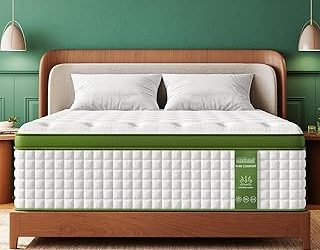
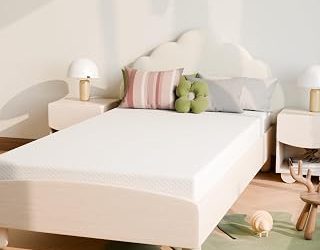
This is the plush option that doesn’t sacrifice breathability: a pillow-top loft over a rayon-from-bamboo surface that reads cool the moment you lie down. The 20″ deep pocket handles tall hybrids without straining, and the soft green colorway is an unusually considered choice for a category that defaults to white.
Niagara Sleep Solution Cotton Top Cooling Topper
For sleepers who want cloud-like cushioning with a crisper, more classic feel, the 100% cotton top delivers hotel-bed comfort with real airflow. It’s the better pick if bamboo-derived fabrics feel too slick against your skin, and the lumbar support from the fill helps if you wake up stiff.
Cooling Waterproof Mattress Protector
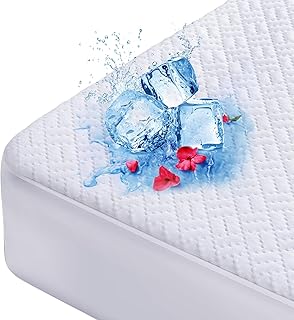
A rare protector that manages waterproofing without the crinkle or the sweat: the 3D air fabric layer keeps air circulating while the membrane guards against spills and allergens. Fitting mattresses from 8″ to 21″, it’s the practical layer for family bedrooms and rentals where protection matters as much as comfort.
SLEEP ZONE Cooling Zoned Mattress Topper
The zoned quilting is the differentiator here, concentrating padding where your hips and shoulders press hardest while keeping the surface flat enough to feel tailored. In grey it reads more like a considered design choice than a utility layer, and it washes and dries without losing loft.
BEDLORE Bamboo Thick Pillow Top Topper
The thickest cushioning on this list, with a viscose bamboo face that stays cool under sustained contact and stretchable pockets that accommodate 6″ to 18″ mattresses. Choose this one if you’re trying to rescue a mattress that’s gone too firm and running hot at the same time.
Frequently Asked Questions
Will a cooling pad actually lower my body temperature?
Passive pads improve heat transfer away from your skin, which most people register as a noticeably cooler surface rather than a cold one. Active systems with a fan and remote, like the B10, can pull surface temperature down by 7 to 12°F.
Can I use a cooling topper over memory foam?
Yes, and it’s one of the most effective upgrades for foam sleepers. A breathable pad interrupts the heat-retaining contact layer while preserving the contouring you bought the mattress for.
Do cooling pads make the bed feel firmer or softer?
Pillow-top toppers add softness and loft; thin protectors and air-fabric layers are close to neutral. Match the format to the change you want in feel, not just temperature.
How often should I wash a cooling mattress pad?
Every four to eight weeks is a sensible cadence, or monthly if you sweat heavily. Cool wash, low heat, and no fabric softener, which coats fibers and reduces wicking.
Final Thoughts
For most bedrooms, the Niagara Sleep Solution bamboo topper is the balanced choice, pairing genuine plushness with a surface that stays cool through the night. Choose the SLEEP ZONE zoned topper if targeted support and a tidier, more tailored profile matter more, and step up to the B10 Bed Cooling System if night sweats have made passive cooling a losing battle.