Key takeaways
- Measure the platform, not the old mattress: Old foam compresses and shrinks at the edges. Measure the frame itself, note any radius corners or angled cuts, and subtract about a quarter inch so the mattress drops in without bowing against the walls.
- Prioritize foam density over thickness: A 5-inch slab of high-density polyfoam outlasts an 8-inch slab of cheap filler foam. Density is what resists body impressions in a bed that gets used hard and often can’t be rotated.
- Match thickness to your clearance: Bunks, lift beds, and cabover nooks limit height. Ten inches feels closest to a home mattress, 7 to 8 inches suits most standard platforms, and 5 to 6 inches is the realistic ceiling for bunks and pop-tops.
- Take the cover seriously: Condensation is the real enemy in a rig. Water-resistant or organic zip covers protect the foam core, and a removable, washable cover extends the life of the whole mattress by years.
- Choose feel with sleep position in mind: Side sleepers generally want plush to medium with a gel memory foam layer; back and stomach sleepers do better with mid-firm to firm cores that keep hips from sinking.
What's inside
RV bed platforms rarely obey the rules that mattress manufacturers do. A rear corner bed might taper four inches from head to foot, a van build might sit inside wheel-well cutouts, and a bunk over the garage might be exactly 34 inches wide because that’s what the wall studs allowed. Standard sizing forces a compromise: a mattress that’s too short, edges that overhang and collapse, or gaps that swallow bedding every night. In a space this compact, those few inches read as a design flaw you feel every time you climb in.
Custom-cut foam solves the geometry problem, but the market is noisy. Some makers are genuine cut-to-order shops with real foam specs; others sell thin polyfoam slabs with optimistic firmness claims. This guide looks at six made-to-order RV and van mattresses through a furniture buyer’s lens: foam density and durability, cover construction, feel accuracy, and how well each handles the odd shapes that come with mobile living.
As an Amazon Associate we earn from qualifying purchases.


How to Choose a Custom RV Mattress (2026)
- Measure the platform, not the old mattress: Old foam compresses and shrinks at the edges. Measure the frame itself, note any radius corners or angled cuts, and subtract about a quarter inch so the mattress drops in without bowing against the walls.
- Prioritize foam density over thickness: A 5-inch slab of high-density polyfoam outlasts an 8-inch slab of cheap filler foam. Density is what resists body impressions in a bed that gets used hard and often can’t be rotated.
- Match thickness to your clearance: Bunks, lift beds, and cabover nooks limit height. Ten inches feels closest to a home mattress, 7 to 8 inches suits most standard platforms, and 5 to 6 inches is the realistic ceiling for bunks and pop-tops.
- Take the cover seriously: Condensation is the real enemy in a rig. Water-resistant or organic zip covers protect the foam core, and a removable, washable cover extends the life of the whole mattress by years.
- Choose feel with sleep position in mind: Side sleepers generally want plush to medium with a gel memory foam layer; back and stomach sleepers do better with mid-firm to firm cores that keep hips from sinking.
The Best Custom RV Mattresses (2026) Reviewed
Sydney Custom RV and Van Mattress
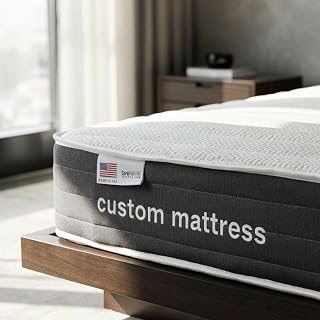
Built to order in the USA and clearly aimed at DIY van and truck builds, the Sydney handles irregular cuts and tight footprints more gracefully than most. It’s the pick when your platform has angles that no chart accounts for and you’d rather send dimensions than force a compromise.
Roam-M2 RV 10″ Gel Memory Foam
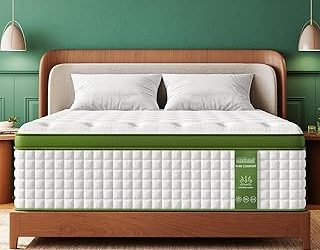
At 10 inches with a gel memory foam comfort layer and a luxury medium feel, this is the closest thing here to a residential mattress experience. Ideal for full-time travelers with adequate clearance who don’t want to trade sleep quality for mobility.
Matini Home Custom Size Foam Mattress & Topper
The most configurable option on the list: firm, medium, or plush, an optional gel memory foam layer, and a choice between a 100% organic or water-resistant cover. That cover decision alone makes it worth considering for humid climates or four-season use.
Kogler 7″ Gel-Infused Memory Foam RV Mattress
A well-judged 7-inch build with firm foam support and a breathable cloth cover, shipped compressed in a box, which makes installation through a narrow RV door far less of an ordeal. The 34×75 bunk size is a genuinely hard dimension to source elsewhere.
Foamma Custom RV Mattress
Foamma leans practical: high-density polyurethane cut to your dimensions, quilted or water-resistant covers, and mid-firm or firm options with a gel memory foam add-on. It doubles as cushion stock for dinettes and gaucho benches, which is useful when you’re outfitting a whole interior.
Frequently Asked Questions
How do I measure for a custom RV mattress?
Measure the sleeping platform at its widest and longest points, then record any tapers, notches, or rounded corners with individual measurements. A quick sketch with numbers on each edge prevents nearly every fit problem.
Is a custom mattress worth it over a trimmed standard one?
Cutting a standard mattress destroys its edge support and voids the warranty. A made-to-order foam mattress keeps consistent support across the full surface, including the perimeter you actually sit on.
What thickness works best for RV bunks?
Five to seven inches is the sweet spot. Anything thicker eats headroom and can interfere with safety rails, while thinner pads tend to bottom out on plywood platforms.
Can custom mattresses be returned?
Made-to-order items are usually final sale, so confirm each seller’s policy before ordering and double-check your measurements. High Density Foam Mattress and similar makers with machine-washable zip covers at least make long-term upkeep low-risk.
Final Thoughts
For full-time comfort in a rig with headroom to spare, the Roam-M2 10″ gel memory foam build is the strongest all-around choice. If your platform is unconventional, Sydney’s made-to-order approach handles awkward geometry cleanly, and Matini Home earns the nod for buyers who want to specify feel and cover material together rather than accept a fixed configuration.