Key takeaways
- Comfort layer depth: Side sleepers need meaningful cushioning above the support core, roughly three inches or more, so the shoulder can pass through instead of stacking up. A 14″ build gives you more room for that than a 12″ one, which is why taller profiles tend to suit narrow-shouldered and lighter sleepers best.
- Hybrid versus all-foam: Coils push back under the hips and make repositioning easier, which is a real advantage if you shift sides through the night or share the bed. All-foam versions contour more closely and isolate motion better, a good pick for lighter sleepers and anyone sensitive to a partner’s movement.
- Firmness relative to your weight: DreamCloud’s house feel leans supportive rather than pillowy. Sleepers over roughly 200 lb usually find that helpful, since they compress the comfort layers naturally. Lighter side sleepers should plan on a soft mattress topper, or choose the plushest model in the range.
- Heat management: Deep contouring means more of your body is surrounded by foam. Gel-infused layers and a breathable quilted cover make a noticeable difference here, so favor those if you sleep warm or live somewhere humid.
- Height and proportion: A 14″ mattress on a tall bed frame can throw off a room’s sight lines and swallow the headboard, and it needs deep-pocket sheets. Measure your frame, then choose the profile that keeps the top of the mattress at a comfortable sitting height, around 24 to 26 inches from the floor.
What's inside
Side sleeping puts your body in the most anatomically demanding position a mattress has to solve. Your shoulder and hip carry nearly all of your weight through two narrow contact points, while your waist and knees need something soft enough to sink into so your spine can stay level. Get it wrong and you wake up with a numb arm, an aching hip, or that dull lower-back tightness that no amount of stretching quite clears. Most shoppers respond by chasing the plushest thing they can find, which usually trades one problem for another: you sink, your hips drop out of line, and turning over at 3 a.m. becomes a small workout.
DreamCloud sits in an interesting spot for this. Its beds are built on a luxury-hybrid premise, generous quilted covers over pressure-relieving foam, and in the taller models, a coil base that keeps the mattress from feeling like a trench. That combination can be excellent for side sleepers, but only if you match the right profile to your body weight and your bedroom. Below we’ve gathered the DreamCloud models most worth considering in 2026, plus one budget hybrid we keep recommending to clients furnishing a guest room, and broken down how to read the specs that actually matter.
As an Amazon Associate we earn from qualifying purchases.


How to Choose a DreamCloud Mattress For Side Sleepers (2026)
- Comfort layer depth: Side sleepers need meaningful cushioning above the support core, roughly three inches or more, so the shoulder can pass through instead of stacking up. A 14″ build gives you more room for that than a 12″ one, which is why taller profiles tend to suit narrow-shouldered and lighter sleepers best.
- Hybrid versus all-foam: Coils push back under the hips and make repositioning easier, which is a real advantage if you shift sides through the night or share the bed. All-foam versions contour more closely and isolate motion better, a good pick for lighter sleepers and anyone sensitive to a partner’s movement.
- Firmness relative to your weight: DreamCloud’s house feel leans supportive rather than pillowy. Sleepers over roughly 200 lb usually find that helpful, since they compress the comfort layers naturally. Lighter side sleepers should plan on a soft mattress topper, or choose the plushest model in the range.
- Heat management: Deep contouring means more of your body is surrounded by foam. Gel-infused layers and a breathable quilted cover make a noticeable difference here, so favor those if you sleep warm or live somewhere humid.
- Height and proportion: A 14″ mattress on a tall bed frame can throw off a room’s sight lines and swallow the headboard, and it needs deep-pocket sheets. Measure your frame, then choose the profile that keeps the top of the mattress at a comfortable sitting height, around 24 to 26 inches from the floor.
The Best DreamCloud Mattresses For Side Sleepers (2026), Reviewed
DreamCloud 12″ Hybrid Memory Foam
This is the sensible default for most side sleepers: memory foam contouring over a coil core, so your shoulder gets relief without your hips sagging. The 12″ profile also plays well with standard sheets and existing bed frames, which makes it the easiest of the range to slot into a finished bedroom.
DreamCloud Premier Rest 14″ Luxury Hybrid
The most side-sleeper-friendly geometry in the lineup, thanks to two extra inches of build height devoted to cushioning above the springs. If you’re average weight or lighter and have found other DreamCloud beds a touch firm at the shoulder, start here.
DreamCloud 12″ Memory Foam with CloudQuilt Cover
The all-foam version trades bounce for close, quiet contouring, and the quilted cover adds a soft initial impression at the surface. Best for lighter side sleepers, couples who wake each other easily, and anyone who prefers the sensation of settling in rather than resting on top.
DreamCloud 12″ Luxury Gel Memory Foam
Same accommodating foam feel with gel infusion doing the temperature work, which matters more than people expect once you’re side sleeping and half-surrounded by foam. A strong choice for warm bedrooms and hot sleepers who still want pressure relief.
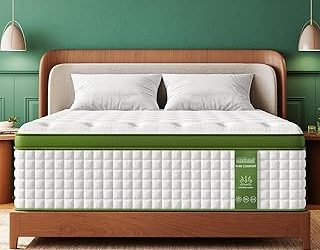
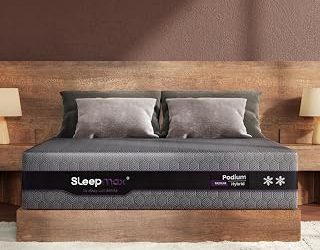
Sleepmax 14″ Hybrid
The value pick we suggest for guest rooms and secondary bedrooms: a fiberglass-free hybrid with a tall profile and cooling construction, explicitly built with back and side sleepers in mind. It won’t match DreamCloud’s finish or materials, but it’s a genuinely comfortable bed for the money.
Frequently Asked Questions
Is DreamCloud too firm for side sleepers?
It can be, if you’re on the lighter side. The range reads supportive rather than plush, so sleepers under roughly 130 lb often want the all-foam model, the 14″ Premier Rest, or a two-inch soft topper to soften the shoulder zone.
Should I pick 12″ or 14″?
Choose 14″ if you want maximum cushioning depth and your frame is low enough to accommodate it. Choose 12″ if you’re pairing the mattress with a taller platform or storage bed, or if you’d rather not shop for deep-pocket bedding.
How long should I test it before deciding?
Give any new mattress at least 30 nights. Foam softens and your body adapts, and side sleepers in particular often report that shoulder pressure eases considerably after the first few weeks. DreamCloud’s year-long trial window leaves plenty of room for that.
What kind of pillow works with these?
Once your shoulder sinks into a contouring mattress, your head sits lower, so an overly tall pillow will crank your neck upward. Most side sleepers on these beds do best with a medium-loft pillow, roughly four to six inches, rather than the tallest option available.
Final Thoughts
For most side sleepers, the DreamCloud 12″ Hybrid is the right balance of contouring and pushback, and it’s the least disruptive to an existing bed setup. Lighter sleepers or anyone who wants a deeper cradle at the shoulder should step up to the Premier Rest 14″, while the Sleepmax 14″ Hybrid covers the guest room without much compromise.