Key takeaways
- The grinder matters more than the machine when you chase decent espresso at home, and that is exactly why a cap of 150 dollars is tricky.
The grinder matters more than the machine when you chase decent espresso at home, and that is exactly why a cap of 150 dollars is tricky. Espresso needs fine, even particles and small, repeatable steps between settings. A blade spinner that chops beans into a mix of dust and boulders cannot deliver that, no matter how it is marketed. So the real question behind this keyword is which burr grinders give you enough fine-end control to dial in a shot without paying for a prosumer motor.
This guide is written for people with an entry-level espresso machine, a moka pot or an AeroPress who want to stop buying pre-ground bags. As the market stands in 2026, the budget tier is crowded with electric conical-burr models and a few hand mills. Several listings in the source group were blade grinders sold for spice and drip coffee, and those were left out because they do not belong in an espresso conversation. The five picks below are burr-based, judged only on what their titles state, so confirm the finer details on each listing.
Quick Picks
Our top picks


As an Amazon Associate we earn from qualifying purchases at no extra cost to you.
| Product | Best for | Key spec from the title |
|---|---|---|
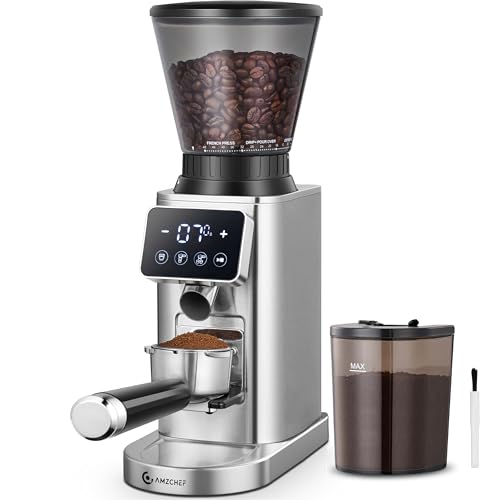
| AMZCHEF Burr Grinder | Home espresso with a timer | 48 settings, 40mm burr, LED timer |
| CEVING Mini Manual Grinder | Travel and quiet mornings | 40 settings, ceramic conical burrs, 30g capacity |
| SHARDOR Conical Burr Grinder | Fine-tuning shots | 51 precise settings, touchscreen timer |
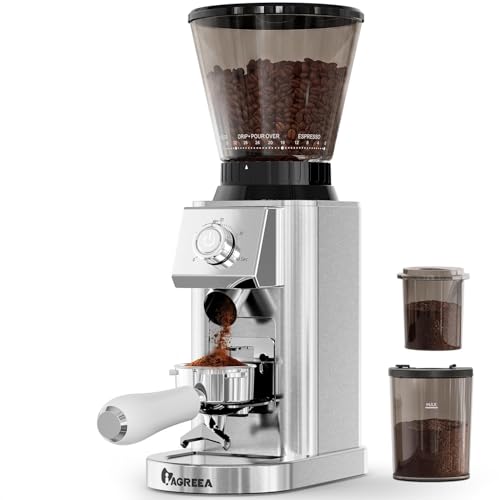
| IAGREEA Conical Burr Grinder | Low-mess grinding | 48 grind steps, 450RPM, anti-static |
| Cuisinart Supreme Grind | Households that brew several methods | 18 settings, burr design, espresso to French press |
How to Choose
Burr, Not Blade
Blade grinders produce uneven particles, and uneven particles cause sour and bitter notes in the same cup. For espresso, look for conical or flat burrs in metal or ceramic, and note whether the maker mentions espresso by name or only drip and press. A burr diameter around 38 to 40 millimeters is common at this tier and is enough for home use. If a listing talks about stainless steel blades and spice grinding, treat it as a drip or utility tool, not an espresso grinder.
Number of Settings and the Fine End
Forty to fifty steps sounds generous, but what matters is how many of those steps sit in the espresso range. Ideally at least ten or fifteen steps cover the fine side, because a single step can move a shot time by several seconds. Grinders with only a handful of steps, such as an 18-step selector, can still handle moka pot and drip well, yet espresso dialing gets coarse in jumps.
Retention, Static and Mess
Retention is the coffee left inside the chute after grinding, and it affects freshness and dose accuracy. Low-retention designs and anti-static claims help, but at this budget you should expect some stray grounds. A small brush, a tap on the bin and a habit of weighing the dose fix most of it. Capacity matters less than consistency; most home shots use under 20 grams, so a modest hopper is not a flaw. Also look at the grounds bin: a bin that snaps in firmly and has an anti-static coating spills far less than a loose cup.
Timers, Motors and Noise
A precise timer lets you repeat a dose by time instead of guessing, and it is the cheapest accuracy upgrade on an electric grinder. Slower motors, listed in RPM on some titles, tend to run quieter and heat beans less. Hand grinders skip the motor entirely, which saves money but costs arm time and patience. Whichever type you choose, check that the hopper lid closes snugly, since open hoppers let beans absorb kitchen odors and moisture.
The 5 Best Options
AMZCHEF Burr Coffee Grinder
This electric model is built around a 40mm burr and 48 settings, with a half-second LED timer and a stainless steel body. The title also mentions low retention and less static, and a fit for 51-millimeter portafilter use, which signals that the maker aims it at espresso users rather than only drip brewers. A stainless steel body also tends to feel sturdier on a busy counter than an all-plastic shell, and a short timer step makes it easier to repeat the same dose from one morning to the next.
- Strength: a wide ladder of grind steps gives room to adjust shots.
- Strength: the fine timer increments help repeat a dose.
- Trade-off: the title is truncated, so confirm the portafilter holder details on the listing.
Skip it if you have a larger portafilter, or if you would rather have a quiet hand-mill ritual than an electric motor humming on the counter at six in the morning.
CEVING Mini Manual Coffee Grinder
A hand-cranked mill with ceramic conical burrs, 40 adjustable settings and a 30-gram capacity, this is the portable pick of the group. It suits campers, office desks and anyone who wants an inexpensive way to grind fresh without a plug. The title names espresso among its intended uses, though the full list is cut off. For the same reason, treat it as a compact entry point to fresh grinding, and check the listing before assuming it can reach true espresso fineness.
- Strength: no electricity, so it works in a kitchen drawer or a tent.
- Strength: ceramic burrs and a small body keep the footprint tiny.
- Trade-off: grinding by hand for a double shot takes real effort and time.
Skip it if you make several drinks each morning or have limited wrist strength, since cranking through a double dose is slow compared with a motor.
SHARDOR Conical Burr Espresso Grinder
The SHARDOR brings a touchscreen and a timer into the budget class. The title lists conical burrs, an updated precision timer and 51 settings for home use, which is the largest number of steps in this lineup. For someone dialing in a new bag every week, that granularity is the main draw. Small steps matter when a new bag of beans behaves differently from the last one and you only need a nudge to bring the shot back into range.
- Strength: 51 steps give the finest incremental control listed here.
- Strength: a digital timer helps with repeatable doses.
- Trade-off: touchscreen controls add electronics that a simple dial grinder avoids.
Skip it if you prefer physical knobs and the simplest possible interface for a quick morning routine, or if you worry about a screen failing long before the burrs wear out.
IAGREEA Conical Burr Espresso Grinder
Described as a low-speed unit running at 450RPM with anti-static features, the IAGREEA offers 48 grind steps plus a precision timer. The title says it covers espresso as well as drip and French press, which makes it a broad home tool for shoppers who switch methods across the week. Because it is positioned for drip and French press as well, one grinder can serve the whole household instead of forcing separate tools for each brew method.
- Strength: a slow motor speed usually means less noise and less heat on the beans.
- Strength: anti-static handling aims to reduce messy grounds on the counter.
- Trade-off: it is a lesser-known name, so read the full listing for hopper and bin details.
Skip it if brand recognition and long-term service networks matter more to you than features, or if you want a long record of owner feedback before committing.
Cuisinart Supreme Grind DBM-8P1
The most familiar name here, the Cuisinart pairs an electric burr design with 18 settings that run from espresso to French press. Its selector approach is simple, and it leans on a trusted kitchen brand. It is a sensible choice for a household that brews drip most days and wants an occasional moka pot or espresso attempt. Because its steps are coarse near the fine end, it works best with a pressurized basket or a moka pot rather than a demanding bottomless setup.
- Strength: a straightforward dial is easy for every family member to use.
- Strength: it covers many brew methods in one machine.
- Trade-off: only 18 steps means fewer fine increments for dialing espresso precisely.
Skip it if espresso is the main goal and you want a lot of small steps near the fine end, or if you plan to upgrade to a more serious machine within a year.
Which One Fits Your Situation
You Have an Entry-Level Espresso Machine
The SHARDOR Conical Burr Grinder or the AMZCHEF Burr Grinder fit best. Both pair a timer with a wide range of steps, which is what a pressurized or basket-based machine needs when you change beans.
You Travel or Work From Different Desks
The CEVING Mini Manual Grinder is the match. It packs small, needs no outlet and still uses real conical burrs, which beats pre-ground coffee that goes stale in a bag. It also doubles as a gift for a friend who drinks coffee at a desk all day or on weekend trips, and it takes almost no room in a bag.
You Brew Drip, French Press and the Occasional Espresso
The Cuisinart Supreme Grind covers more methods with a simple dial, and the IAGREEA is the alternative if you want finer steps and a timer. Either one is a more flexible daily tool than an espresso-only unit, and it leaves room in the budget for decent beans, which affect the cup as much as the machine does.
You Mostly Care About a Clean Counter
The IAGREEA lists anti-static design and a slow motor, while the AMZCHEF mentions less static as well. Pair either with a small brush and you will see fewer stray grounds, and wipe the chute after each session to keep stale coffee from building up.
Common Mistakes
- Buying a blade grinder labeled as an espresso tool and expecting even particles.
- Judging a grinder by the number of settings without checking how many sit on the fine side.
- Changing grind size and dose at the same time, which makes dialing in impossible to follow.
- Leaving old grounds in the chute, which flavors the next shot with stale coffee.
- Pairing a good grinder with stale beans and then blaming the grinder.
Related guides
- Microwaves With Stainless Steel Interior
- How Much Electricity Does A Dehumidifier Use
- Single Serve Coffee Maker Under $150
Frequently Asked Questions
Can a 150 dollar grinder make real espresso?
Yes, within limits, and that is the honest framing of this whole price tier. A burr grinder with fine steps and a repeatable dose can get you drinkable shots on an entry-level machine, though it will not match commercial-grade consistency.
Is a hand grinder good enough?
For many people it is. Ceramic or steel burrs in a hand mill can grind finely, but it takes effort, and it is less convenient if you make drinks for several people.
How often should I clean the burrs?
A quick brush after each bag and a deeper clean every few weeks keeps oils from building up. Rice-style cleaning pellets are optional, and the manufacturer’s manual is the best guide. Skip water and damp cloths inside the burr chamber, since moisture can rust steel burrs.
Do I need a timer?
It is not required, but a timer makes repeating a dose easier. If you weigh each dose on a scale anyway, a simple dial grinder works just as well. Buyers upgrading from a blade spinner will notice more even particles with any of these burr models, which is the biggest single jump in cup quality at this budget.
More from Amazon
Programs that pair well with the guide above. Offers and eligibility are set by Amazon and may change.
Collect the home and kitchen items you want in one registry that guests can shop from.
Create a wedding registrySet up recurring deliveries of everyday items on eligible products. Terms and savings are set by Amazon.
Explore Subscribe & SaveFree shipping on eligible items, Prime Video and more. Eligible new members can start with a free trial.
Start a Prime free trialAudiobooks and podcasts to listen to on the go. Eligible new members can start with a free trial.
Try Audible freeAs an Amazon Associate we earn from qualifying purchases.